
Differences between brachymetatarsia and Morton's syndrome: diagnosis and treatment
Brachymetatarsia and Morton's syndrome both involve a short metatarsal but differ in cause and symptoms. How they are diagnosed and how each is treated.
By Dr. Luigi ManziUpdated on
In this article entitled “Differences between Brachymetatarsia and Morton’s Syndrome” we will see what distinguishes these pathologies.
The topic of brachymetatarsia deserves some attention. Essentially, it's a condition in which one of the metatarsals of the foot is shorter than the others. The symptoms? Pain , discomfort while walking, and, of course, the tendency to try to hide the foot from everyone's sight.
What are the causes? Brachymetatarsia is often a hereditary "gift." However, it can also be the result of issues such as trauma, infection , or medical conditions like Turner syndrome.
A podiatrist is the expert called upon to provide a diagnosis. Through a simple X-ray, they'll be able to identify the culprit, namely the shortest metatarsal .
Characteristics of Morton's Syndrome
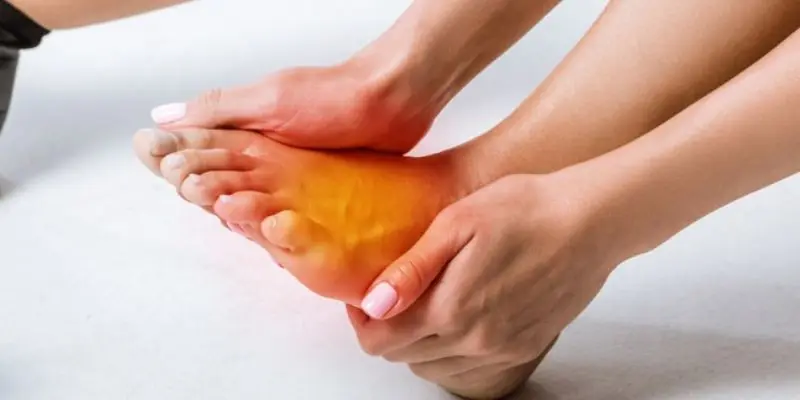
Morton's syndrome , perhaps not as well known as metatarsalgia in the context of foot disorders, is a disorder characterized by a thickening of the tissue around one of the nerves in the foot, usually between the third and fourth toes. It's like having a small golf ball squeezed down there. By putting pressure on the nerves, it causes sharp pain and tingling , especially when walking.
Symptoms may come on suddenly and include:
- burning pain in the sole of the foot;
- sensation of walking on a pebble;
- tingling or numbness in the toes.
Main causes
Why does the foot suffer such complications? The answer is quite complex. Causes of Morton's syndrome include:
- Type of footwear: Shoes that are too tight or have high heels are the absolute worst, because they subject the foot to excessive pressure or difficulty in movement.
- Physical activity: Athletes are particularly vulnerable, because repeated impacts and pressure can cause nerve damage.
- Anatomy of the foot: Having flat feet or a high arch can make some people more susceptible.
- Repetitive trauma: small repeated traumas or congenital deformities may also contribute to the development of the syndrome.
Being aware of the causes is the first step towards taking preventative measures. Next time you choose high heels, think carefully, because comfort comes before style.
Diagnosis of Morton's Syndrome
Identifying Morton's syndrome is quite complicated, but not impossible. An accurate diagnosis is crucial, and usually begins with a thorough physical examination of the foot by a doctor. The doctor may perform some maneuvers that can help determine the origin of the problem, such as:
- Compression test: apply light pressure to the metatarsals to check for the presence of the typical “click” or pain.
- Imaging: If your doctor suspects Morton's syndrome, he or she may order X-rays, magnetic resonance or an ultrasound to visualize the internal situation.
- Exclusion test: Sometimes, if all else fails, other problems such as arthritis or trauma can be ruled out with these tests.
Once diagnosed, the therapeutic options open up , which can be of various types, such as cortisone injections and the use of insoles that improve foot support and relieve compression on the nerve.
Main differences between brachymetatarsia and Morton's syndrome
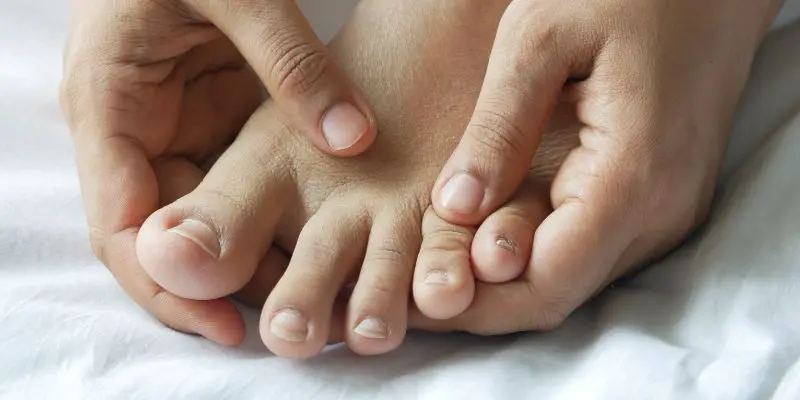
When it comes to foot problems, brachymetatarsia and Morton's syndrome are among the most common causes. However, there are differences between the two conditions. Here are the most notable ones:
- Cause of the ProblemBrachymetatarsia is a genetic short circuit in which a metatarsal decides to stop midway during its growth phase. Morton's syndrome, on the other hand, is more inflammatory than genetic, often due to shoes that are too tight.
- SymptomsWith brachymetatarsia, the affected toe may be significantly shorter than the others. Morton's syndrome causes pain, tingling, and a strange sensation of walking on a pebble that isn't there.
- DiagnosisFor brachymetatarsia, X-rays often clarify whether the toe is short or not. For Morton's syndrome, however, a foot compression test is often the initial step.
SmartHallux can help you

Don't let brachymetatarsia or Morton's syndrome limit your life. SmartHallux is here to offer you innovative and minimally invasive solutions to effectively address foot conditions. Our team of experts is committed to providing you with personalized treatment, ensuring excellent results and a speedy recovery.
These conditions can cause severe pain and difficulty walking, but with SmartHallux, you can get back to living worry-free. Our accurate diagnosis and targeted treatments are our strength. Don't wait, your health is important: book a consultation now using the booking form on our website.