
Hallux valgus: effective remedies to solve the problem
Bunion remedies range from wider shoes, toe spacers and insoles to exercises and pain relief; surgery when the deformity progresses. What helps and when.
By Dr. Luigi ManziUpdated on
When looking at our feet, it's very common to notice that the big toe appears to be turned inward. This is called hallux valgus, a condition that isn't serious, but can be very annoying and cause stiffness and difficulty walking.
Fortunately, there are several solutions. In this article entitled “ Bunion Remedies ”, we will analyze them, from conservative to more invasive, such as surgery, which are capable of solving the problem.
What causes hallux valgus?
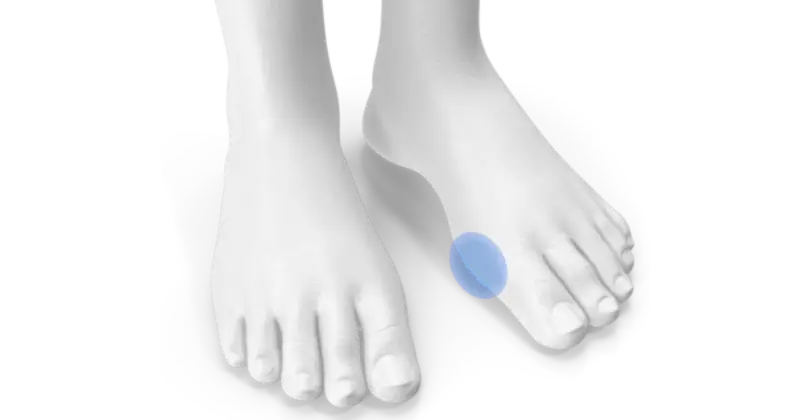
While there's no single cause for the onset of hallux valgus, family history certainly plays a significant role. Along with this, we often identify several factors, including chronic inflammatory conditions that affect the health of the foot joints and the use of tight or pointed-toe shoes, which can worsen the deformity.
Injuries or fractures can alter the alignment, accentuating the deviation of the big toe inward from the midline. Furthermore, some forms of arthritis, such as rheumatoid arthritis, can contribute to the development of this condition.
Symptoms and diagnosis of hallux valgus

The most common symptoms of bunions include pain and swelling around the big toe joint. The mobility of the toe is reduced, causing difficulty moving. Bunions can also cause bursitis (inflammation of the bursa) and calluses on the foot.
The diagnosis of hallux valgus is based on a physical examination of the foot by a specialized doctor. This allows for a precise indication of bone alignment and the most appropriate treatment to be determined.
In less severe cases of hallux valgus, it is possible to use conservative remedies that can relieve pain and slow the progression of the deformity.
Remedies for bunions without surgery

First and foremost, it's advisable to wear comfortable shoes with a wide toe box and good arch support. This reduces pressure on the big toe and relieves pain. The use of insoles and braces also helps keep the big toe in the correct position, reducing pain and inflammation. Stretching exercises improve the flexibility of the foot muscles and can slow the progression of bunions.
If these conservative measures are not enough, painkillers and anti-inflammatory drugs can be used to temporarily reduce foot pain and swelling of the big toe.
Surgery for hallux valgus

When conservative treatments are ineffective, surgery may be necessary to treat hallux valgus. The best treatment depends on the severity of the deformity and the patient's specific needs. There are several surgical techniques available to treat this condition:
- Osteotomy – It consists of removing a small portion of bone to correct the position of the big toe and restore its alignment.
- Arthrodesis – Fusion of the big toe joint, which blocks the movement of the joint to eliminate pain.
- Prosthetic implant – The big toe joint is replaced with a prosthesis to restore its functionality.
After hallux valgus surgery, specific physiotherapy exercises are required to help restore foot muscle strength and flexibility. Post-operative exercises aim to improve mobility and prevent stiffness.
Prevention of hallux valgus

There are some good daily habits to prevent the onset of an annoying and painful condition, but also common to many people, such as hallux valgus.
Wearing appropriate footwear, avoiding shoes that are too tight or have excessively high heels, is perhaps the first thing to do. At the same time, it's important to exercise, as extra body weight puts excessive pressure on the metatarsals, accelerating the worsening of the deformity.
If you're experiencing the first symptoms or are suffering from hallux valgus and are looking for an effective solution, contact Dr. Luigi Manzi to schedule an appointment. Dr. Manzi is an orthopedic surgeon specializing in foot and ankle surgery, ready to find the best treatment for you, helping you improve your quality of life.