
Arthritis in the foot with swelling: when pain changes the way you walk
Arthritis in the foot with swelling can be osteoarthritis, rheumatoid arthritis or gout, and it is not only a problem of age. How to recognize it and treat it.
By Dr. Luigi ManziUpdated on
Have you ever woken up in the morning and felt your foot hurt before you even put it down? Or noticed that the swelling increased throughout the day, making your shoes increasingly tight?
Arthritis in the foot with swelling is one of those conditions that, unfortunately, I see often in my office. It's not just a question of age, as many people think. Sure, joints wear out with age, but arthritis can affect even relatively young people. And when it affects the foot, well, it truly changes the way you move.
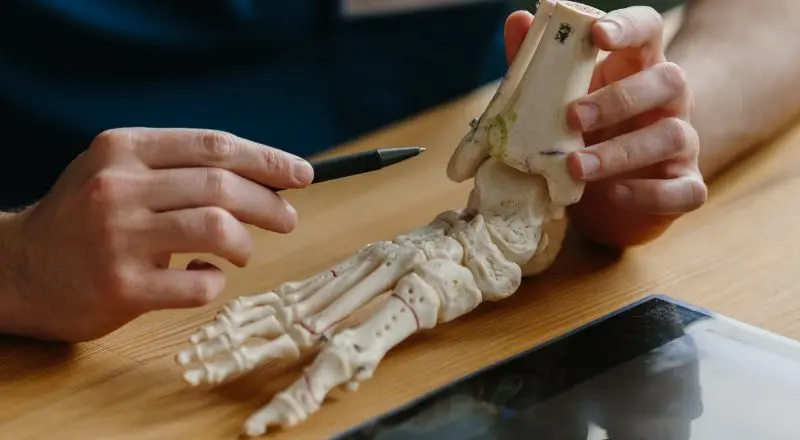
The foot is an incredibly complex structure—think about it, it has 26 bones and over 30 joints! When inflammation creeps into this delicate mechanism, every step can become a challenge.
What is foot arthritis? A silent enemy of our joints.
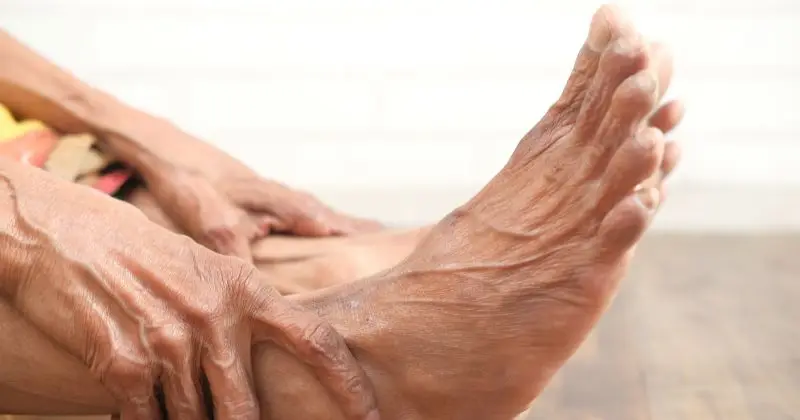
When I talk to my patients about foot arthritis, I always explain that we're not talking about a single disease. It's more like a group of different conditions that have one thing in common: joint inflammation.
**Rheumatoid arthritis of the feet and ankles** is an autoimmune disease in which the immune system, for reasons we don't yet fully understand, begins to attack the joints. **Foot osteoarthritis**, on the other hand, is more related to wear and tear over time—like when car tires wear out after many miles.
Then there's **deforming arthritis of the feet**, which is the most aggressive form that can lead to actual deformities of the toes. I've seen it mostly in patients with long-standing, untreated rheumatoid arthritis.
The most affected areas? Toe arthritis is very common, especially in the big toe. But the ankle can also be involved, causing what patients describe as a "locked feeling."
The causes: why me?
"Doctor, why did I get arthritis?" It's a question I hear at least three times a week. The answer, unfortunately, isn't always simple.
Let's start with the factors we can control. Body weight, for example. Every extra kilo means more stress on the joints of the foot. It's pure mathematics: if you weigh 10 kg more than you should, every time you walk you're putting more stress on those poor joints.
The wrong shoes are another great enemy. Heels that are too high, shoes that are too tight, soles that don't absorb shock. I've seen cases of **arthritis and swollen feet** in women who wore inappropriate shoes for work for years.
Then there are the traumas. A bad sprain from years ago, a poorly healed fracture, repeated microtraumas (typical of those who participate in intense sports). All of these can trigger chronic inflammation that over time develops into arthritis.
Age plays a role, of course. After 50 or 60, cartilage begins to lose elasticity. But be careful: not everyone develops arthritis! It depends on many factors.
And then there's genetics. If there's a family history of rheumatoid arthritis, the risk increases. It's not a death sentence, mind you, but it's a factor to keep in mind.
Symptoms: when the foot "talks"

**Arthritis in the feet** symptoms aren't always the same for everyone. Every patient has their own story. But there are some typical signs I learn to recognize right away.
Pain is the first warning sign. It's not just any pain—patients often describe it to me as "deep," "dull," but it can become sharp with certain movements. Typical foot arthritis symptoms include pain that worsens with activity but, paradoxically, can also occur at rest in the most severe forms.
Swelling is often the most obvious sign. **Swollen foot osteoarthritis** occurs mostly in the evening, after a day on your feet. But in inflammatory arthritis, swelling may also be present upon waking.
Morning stiffness is characteristic. "Doctor, when I get out of bed, the first steps are a pain, but then it slowly gets better." This is what almost all patients with full-blown **arthritis of the foot symptoms** tell me.
And then there's the loss of function. Difficulty bending the toes, a feeling that the foot is "stuck," trouble finding comfortable shoes. Advanced foot osteoarthritis symptoms may also include visible deformities, especially in the toes.
How I get to the diagnosis: my method

When a patient comes into my office complaining of **arthritis foot symptoms**, I never just look at the foot. We always start with an in-depth conversation.
"How long have you had this pain? When is it worse? Has there been any trauma? Does anyone in your family have similar problems?" These are fundamental questions. Then I observe how you walk—patients have often developed unconscious compensations to avoid the pain.
The physical exam is crucial. I check for swelling, skin temperature (with active inflammation, the foot may be warmer), and joint mobility. Often, I already have a pretty good idea of what we're dealing with.
Imaging tests are used to confirm suspicions. X-rays clearly show bone damage and the narrowed joint space typical of osteoarthritis. For inflammatory arthritis, ultrasound or MRI is sometimes also necessary.
Blood tests are especially useful if I suspect rheumatoid arthritis – there are specific markers that can aid in the diagnosis.
Treatments: What can we do together?

"Doctor, can it be cured?" Unfortunately, I have to be honest: arthritis is a chronic condition. But that doesn't mean we should give up! There are many things we can do to improve our quality of life.
For pharmacological remedies for foot arthritis, we always start with the simplest. Nonsteroidal anti-inflammatory drugs (NSAIDs) are often the first line. Ibuprofen, diclofenac, and ketoprofen—always under medical supervision because they can have side effects, especially gastric problems.
For more severe forms of rheumatoid arthritis, there are more specific medications—so-called biologics—that act directly on the immune system. They are highly effective but require careful monitoring.
Physiotherapy is essential. Not just for pain, but also for maintaining joint mobility. Specific exercises, physical therapies such as ultrasound or Tecar therapy, and muscle-relaxing massages are all that's needed. A good physiotherapist can really make a difference.
Custom orthotics are a fantastic tool. They redistribute loads, correct gait abnormalities, and reduce stress on inflamed joints.
And then there are insoles and orthopedic shoes. They're not as "pretty" as fashionable shoes, I admit, but they can transform the lives of those with foot arthritis.
Surgery is the last option, but sometimes necessary. Arthrodesis (joint blocking), prosthesis, and deformity correction are decisions we always make together, weighing the pros and cons for each individual case.
Prevention is better than cure (when possible)

We can't prevent all types of arthritis—genetic or autoimmune arthritis are difficult to avoid. But we can do a lot to reduce the risks.
Maintaining a healthy weight is essential. Every pound we lose is a gift to our feet. Regular exercise keeps joints mobile and muscles strong—strong muscles protect joints.
Choosing the right shoes is crucial. A cushioned sole, a heel no higher than 3-4 cm, and a wide sole that doesn't pinch your toes. I know, it's not always easy to balance health and fashion, but our feet will thank us for it.
If you play sports, do it wisely. Warm up properly, use appropriate equipment, and listen to your body. An injury today can turn into arthritis tomorrow.
SmartHallux: Where we can help you

Here at SmartHallux, we specialize in foot and ankle surgery. Dr. Luigi Manzi, who has extensive experience in this field, provides each patient with a personalized treatment plan using the most modern techniques.
We're not just "scalpel surgeons"—we believe in a comprehensive approach that always begins with conservative therapies. Surgery is the last option, when all else fails.
The SmartHallux team treats conditions such as hallux valgus , Morton's neuroma , and other deformities that cause foot pain. Providing comprehensive support throughout the treatment process, SmartHallux can be a winning choice for effective treatment tailored to your needs. Book your specialist consultation with the SmartHallux team now (opens in a new tab).
Questions you often ask me
Doctor, can arthritis in my foot get worse?
Yes, unfortunately, arthritis tends to be progressive. But with proper treatment, we can significantly slow this progression. I have patients who, years later, are doing very well with appropriate therapies.
Is it true that time affects pain?
Absolutely. Many arthritis patients are true "human barometers"—they sense changes in the weather before they arrive. Humidity and low air pressure tend to worsen symptoms.
Can I continue to play sports?
It depends on the type of sport and the severity of the arthritis. High-impact sports like running could worsen the condition. But swimming, cycling, and yoga can be very beneficial. Let's talk about it!
Is foot arthritis hereditary?
Some types, yes, rheumatoid arthritis in particular has a genetic component. But having family members with arthritis doesn't mean you're doomed—it just means you need to pay more attention to prevention.