
Recovery from Achilles heel surgery: The complete guide
Achilles heel problems affect many people. In this article, we explore recovery after Achilles heel surgery and physical therapy.
By Dr. Luigi ManziUpdated on
Achilles heel problems affect many people, especially those who participate in regular physical activity. In this article, we'll specifically discuss the three-phase recovery process after Achilles heel surgery and the importance of physical therapy.
First phase: use painkillers
The first phase of recovery after Achilles heel surgery forces you to live with the pain. Fortunately, there are painkillers that can reduce the pain. Remember to elevate your foot and use ice to reduce swelling.
Second phase: beginning of mobilization
Once the pain begins to subside, it's time to move on to phase two: the beginning of mobilization . This begins with small steps and then with flexion and extension exercises of the toes and ankles.
Third phase: strengthening and recovery of function
In the third phase, it's time to rediscover the power of your heel. With resistance and strengthening exercises , you'll gradually return to normal walking. Exercise bikes and resistance bands help a lot, while your physiotherapist monitors everything.
Recommended exercises for recovery
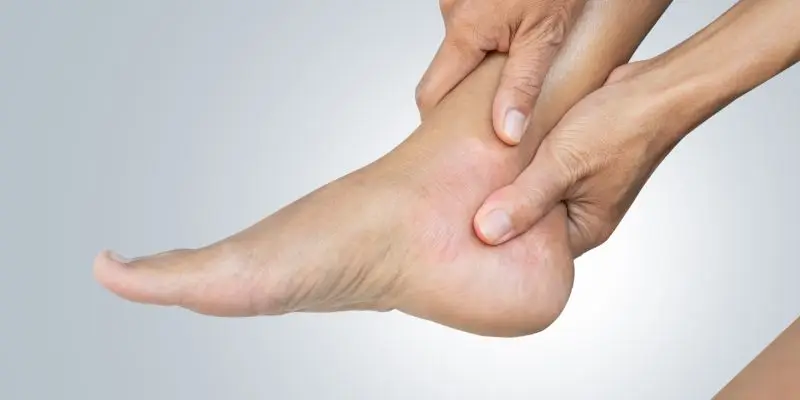
After Achilles heel surgery , recovery can feel like a long marathon, but with the right exercises, you'll reach the finish line more easily. Let's take a look at the recommended activities for strengthening your heel.
Mobility exercises
Mobility is key. Below are some simple exercises to get your foot back on track:
- Ankle rotations: sit comfortably and wrap your foot in slow circular rotationsStart clockwise and then change direction.
- Heel slips: lie down on the sofa and keep the relaxed leg. Slide your heel back and forth.
- Ankle extension: While sitting, push your toe toward you and then away.
Strength exercises
Here's how to strengthen muscles and tendons :
- Calf raises: stand and rise on tiptoe slowly and gently.
- Ankle flexions with elastic band: use one elastic band for resistance, wrapping it around the forefoot. Pull the bandage toward you and then push it forward.
- Single-Leg Squat: lift one leg and perform a squat with the other.
Balance exercises
Having balance not only helps you avoid nasty falls, but it also encourages your brain to synchronize with your feet. Here's what to do:
- Jumps on the spot: jump to the same position.
- Walking in line: straight trajectories, like a tightrope walker. Draw an imaginary line on the floor and walk along it, placing one foot directly in front of the other.
- Balancing on one leg: lift one leg and test your balance.
Importance of physiotherapy
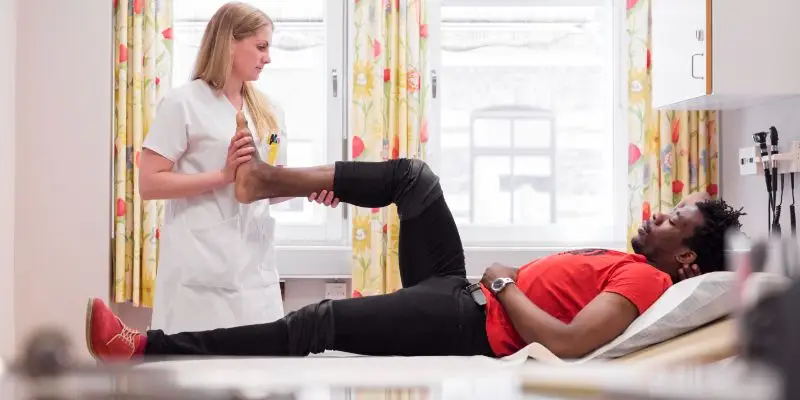
A physiotherapist is your best ally on the recovery journey. Not only will they guide you through technical exercises to improve your condition, but they will also find ways to correct those small postural errors.
Furthermore, relying on a physical therapist is like having a personal coach who motivates you, because they understand the importance of relaxation and the need to take a break from time to time. Furthermore, a personalized physical therapy program speeds up the healing process, minimizing long-term complications.
Physical therapy is not only an important part of your recovery journey, it might even become the most anticipated part of your day.
Book your visit with SmartHallux

Trust SmartHallux for a rapid recovery after Achilles heel surgery. With our minimally invasive technique , we minimize pain and swelling, allowing you to get back to fitness in record time. Our innovative methodology and ongoing support from our experts will guide you through every stage of recovery, from initial pain management to complete rehabilitation.
Don't let pain stop you! With SmartHallux, you'll have a team of professionals dedicated to your well-being, ready to support you every step of your healing journey. Book now using our booking form on the website and discover how SmartHallux can make a difference in your life.