
Post-Morton's Neuroma Surgery Shoes: What You Need to Know for Healthy Walking
Which shoes to wear after Morton's neuroma surgery: the post-op shoe in the early days, when to return to normal footwear and what to look for in a shoe.
By Dr. Luigi ManziUpdated on
Have you just had Morton's neuroma surgery? You're probably wondering what post-Morton's neuroma surgery shoes to wear now. It's normal, you know? It's one of the first questions all patients ask me when they leave the operating room.
Morton's neuroma is a condition that causes severe pain between the toes, often between the third and fourth toes. Imagine always having a pebble in your shoe, but that pebble is actually a thickening of the nerve there. Annoying, right?
What Morton's neuroma really is

Morton's neuroma isn't a true tumor, despite its scary name. It's simply a thickening of the tissue surrounding one of the nerves that supply the toes. It usually forms between the third and fourth toes, but can also occur in other locations.
Why does this happen? Well, there are several causes. Often, it's because of shoes that are too tight or have heels that are too high. Have you ever worn beautiful but extremely uncomfortable shoes to a special occasion? If you do this often, your foot will complain in the long run. Furthermore, certain sports that put a lot of pressure on the ball of the foot can also contribute.
The symptoms you know well

If you've had surgery, you've probably already experienced all the classic symptoms. That sharp pain, like someone was sticking a needle in your foot. And then that strange sensation, like there's something under your foot or between your toes.
Many patients tell me, "Doctor, it's like stepping on a button or a golf ball." Others describe a burning or electric shock sensation rising from their foot. Not exactly the best thing in life, in short.
After surgery: choosing the right shoe
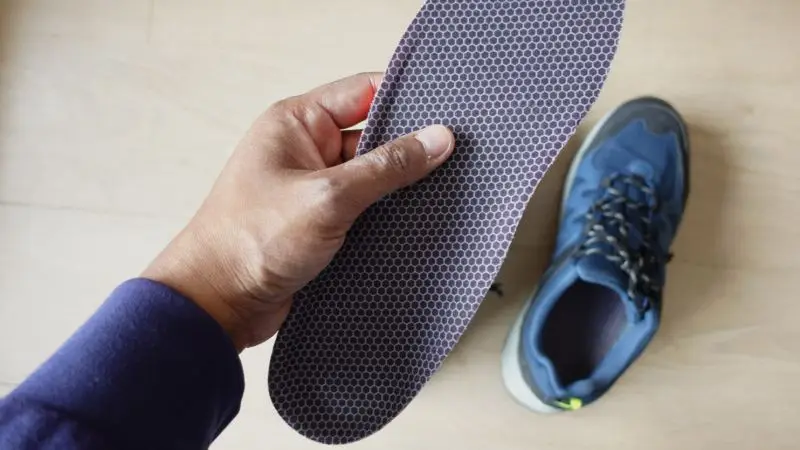
Now let's get to the point. Post- Morton's neuroma surgery shoes must have very specific features. It's not just a matter of comfort—it's a matter of allowing your foot to heal properly.
First of all, the toe. It should be wide and rounded. No pointed shoes, not even slightly pointed ones that seem "not too tight." The operated nerve needs space to recover, without pressure that could cause problems.
The sole is crucial. It must be rigid and have good arch support. This helps stabilize the foot and reduces the load on the operated area. Think of the sole as a small scaffolding that supports your foot while it heals.
Heels? Low, low, low. Maximum 4 centimeters, but even lower is better. Post-surgery Morton's neuroma requires minimizing pressure on the metatarsals, and high heels do exactly the opposite.
Materials and comfort: not all fabrics are the same
Materials make a huge difference during rehabilitation after Morton's neuroma surgery . Always choose soft, breathable materials. Leather or breathable technical fabrics are ideal because they prevent irritation and allow the foot to breathe.
Avoid stiff synthetic materials or shoes with prominent internal seams. During the post-operative recovery from Morton's neuroma , even small irritations can become a major problem.
The closure of the shoe is as important as anything else. Adjustable laces or Velcro are ideal because they allow you to adjust the fit to the swelling, which can vary throughout the day. I've seen too many patients buy shoes that fit well in the morning but become tight by the afternoon.
The transition period: from post-operative to normal shoes

Morton's neuroma surgery recovery requires patience. You can't switch from post-op shoes to high heels in a week. I generally recommend wearing specific shoes for at least 6-8 weeks after surgery.
During this time, observe how your foot reacts. If you feel pain, swelling, or discomfort, switch back to more comfortable shoes. Your body is telling you something important.
Then, gradually, you can start trying on different shoes. But always with the features I explained: wide toe, low heel, soft materials. It's an investment in your future health.
Where to find the right shoes
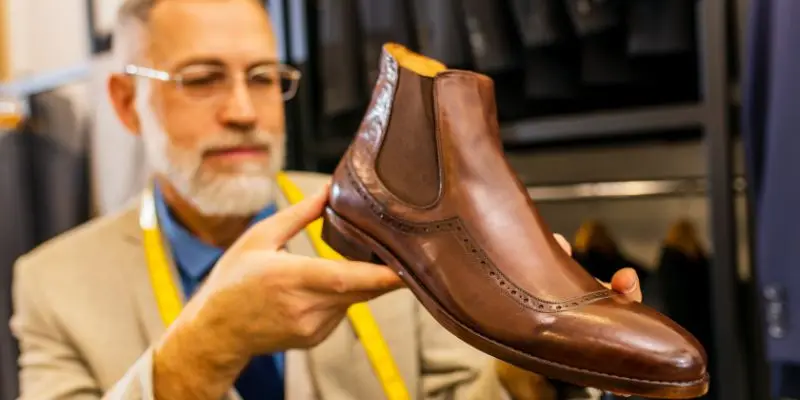
Orthopedic stores are the ideal place to start. Staff are usually trained to understand specific post-surgery needs. Many well-stocked pharmacies also have sections dedicated to orthopedic footwear.
You can find many options online, but be careful: it's always best to try before buying, especially during this delicate phase. If you buy online, always check the return policies.
SmartHallux: Where we can help you

Dr. Luigi Manzi, who has gained specific experience in this field, follows each patient with a personalized treatment plan using the most modern and least invasive techniques possible.
The SmartHallux team treats conditions such as hallux valgus , Morton's neuroma , and other deformities that cause foot pain. Providing comprehensive support throughout the treatment process, SmartHallux can be a winning choice for effective treatment tailored to your needs. Book your specialist consultation with the SmartHallux team now (opens in a new tab).
Our experience has taught us that the success of the surgery depends heavily on the post-operative care. For this reason, we provide precise instructions not only on the surgery itself, but also on everything that follows, including choosing the right shoes.
FAQ
How long should I keep these special shoes?
The post-operative recovery for Morton's neuroma varies from person to person, but I generally recommend wearing specific shoes for 6-8 weeks. Then, a gradual transition can begin.
How long does the pain last after surgery?
Postoperative pain usually lasts a few days, up to 2-3 weeks. If it persists beyond that point, it's important to see a doctor.
Can I walk normally right after?
It depends on the type of surgery. Generally, you can put your foot on the ground right away, but only with appropriate shoes and without overdoing it.
What are the main risks?
Risks are rare but may include infection, bleeding, persistent pain, or numbness. This is why it's important to follow all post-operative instructions.