
How are bunions treated? Everything you need to know
How bunions are treated: footwear, insoles, toe spacers and exercises to ease symptoms, and minimally invasive surgery when the deformity progresses.
By Dr. Luigi ManziUpdated on
If you've noticed your big toe starting to move toward your other toes, forming a painful bump on the side of your foot, you're probably dealing with a bunion . This condition is more common than you might think, especially among women, but it can affect anyone.
Wondering how to treat bunions effectively, perhaps avoiding surgery if possible? This guide contains everything you need to know: from symptoms to diagnosis, to more advanced treatment options.
What is hallux valgus and what are the symptoms?
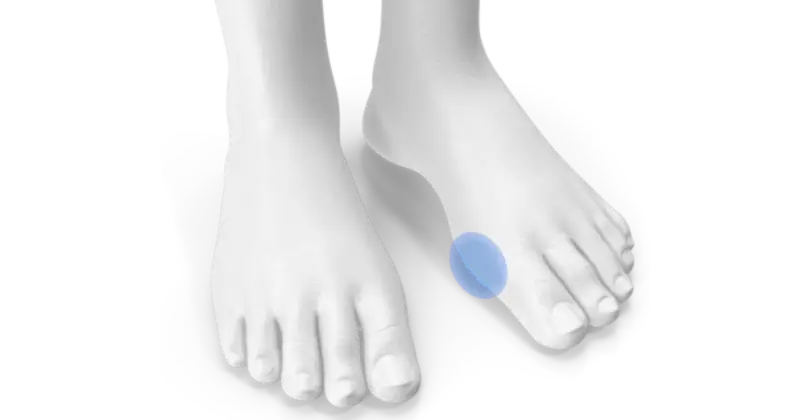
Hallux valgus is a progressive deformity of the joint at the base of the big toe. The big toe deviates inward, compressing the other toes, while the joint becomes inflamed and can swell, causing the classic "bunion."
The most common symptoms are:
- pain when walking,
- redness and swelling at the base of the big toe,
- difficulty wearing closed shoes,
- joint stiffness,
- in advanced cases, evident deformities and alteration of the posture of the foot.
How is it diagnosed?

The diagnosis is clinical and very simple. All it takes is an orthopedic examination , during which the doctor observes the position of the big toe, assesses its mobility, and the intensity of the pain. An X-ray is usually ordered to determine the extent of the deformity and plan the most appropriate treatment.
How is hallux valgus treated without surgery?

In mild or moderate cases, nonsurgical treatment can help reduce symptoms and slow the progression of the problem. Options include:
- use of foot orthoses or night splints to correct alignment,
- comfortable footwear, with a wide toe and cushioned sole,
- physiotherapy to strengthen the foot muscles and improve support,
- anti-inflammatory drugs to control pain during acute periods.
These approaches are particularly effective when the pain is occasional and the deformity is not yet severe.
When is surgery necessary?

If the pain is persistent, the bunion worsens despite conservative treatments, or if it interferes with quality of life, then surgery is considered.
The procedure can vary depending on the severity and characteristics of the foot. Minimally invasive techniques , such as those used by SmartHallux , can correct the deformity with smaller incisions, a quick recovery, and less postoperative pain.
Recovery after surgery

After surgery, the patient wears a post-operative shoe for a few weeks to allow for protected walking. Physiotherapy helps restore mobility, and after just 4-6 weeks, normal walking can be resumed, pain-free and without deformity.
Are there any risks or complications?
Like any surgery, bunion surgery carries some risks , albeit rare ones: infection, bleeding, residual pain, or recurrence of the deformity. This is why surgery should always be performed by expert hands, like those of Dr. Luigi Manzi , and only when truly indicated.
How to prevent hallux valgus?
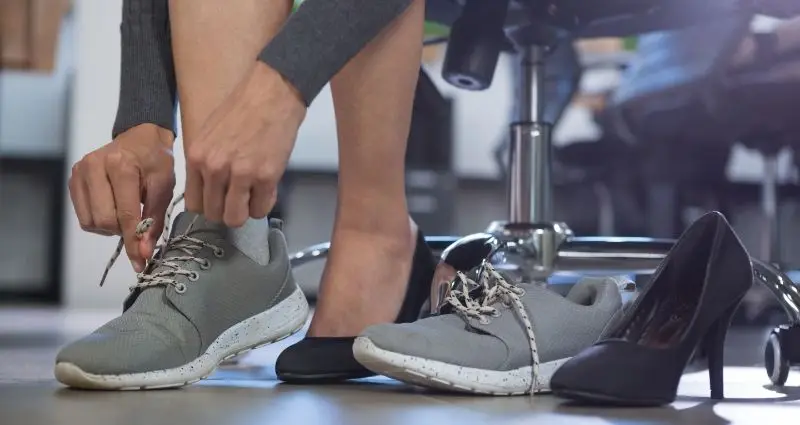
It is not always possible to prevent it completely, but it is possible to reduce the risk :
- choosing comfortable and well-structured shoes,
- avoiding high heels or narrow toes for long periods,
- controlling body weight,
- listening for the first signs of pain or discomfort in the foot.
Why choose SmartHallux?

Dr. Luigi Manzi and the SmartHallux team represent excellence in bunion treatment , with a personalized approach, modern techniques, short wait times, and locations throughout Italy. They also offer telemedicine services and a specialized emergency room for foot and ankle problems.
The SmartHallux team treats conditions such as hallux valgus , Morton's neuroma , and other deformities that cause foot pain. Providing comprehensive support throughout the treatment process, SmartHallux can be a winning choice for effective treatment tailored to your needs. Book your specialist consultation with the SmartHallux team now (opens in a new tab).