
I'm Cured of Plantar Fasciitis: Everything You Need to Know
How do you know you are cured of plantar fasciitis? The signs that the fascia has healed, how long it usually takes and how to avoid a recurrence.
By Dr. Luigi ManziUpdated on
How to Know if I'm Over Plantar Fasciitis Plantar fasciitis is a foot pain that plagues many people, negatively impacting their quality of life. When the plantar fascia becomes inflamed (or worse, deteriorates), it causes annoying and debilitating mobility problems. Sometimes simple discomfort is the first warning sign of a problem that can become more serious if left untreated.
The plantar fascia is a connective tissue that extends along the entire length of the sole of the foot, from the heel to the base of the toes. They play a crucial role in foot mobility because they absorb and cushion the impacts the arch of the foot is subjected to every day, ensuring stability and balance for our bodies.
How plantar fasciitis manifests itself

When this band of tissue connecting the heel to the toes is subjected to constant stress, primarily from intense physical activity, it becomes inflamed. For this reason, it is one of the most common physical problems encountered by athletes. However, this doesn't mean it's exclusive to athletes. Wearing poorly-fitting footwear, having flat feet, or a very high arch can also lead to the onset of plantar fasciitis.
Its characteristic symptoms are sharp pain in the morning or after long periods of inactivity and a burning sensation along the sole of the foot.
Fortunately, plantar fasciitis can be cured, often with non-surgical treatments aimed at reducing pain and inflammation, while also restoring functionality to the foot.
Non-surgical treatments for plantar fasciitis

- Il rest This is the first piece of advice you can give to help relieve plantar fasciitis. Avoiding stress on your foot by walking, running, or standing for long periods of time helps relax the plantar fascia. Rest is also combined with...application of ice to reduce inflammation.
- Targeted exercises and physiotherapy improve the flexibility and mobility of the plantar fascia, reducing pain and tension in the foot.
- The use of anti-inflammatory and painkilling drugs They can help reduce pain. Obviously, these should be taken after consulting a doctor and following the dosage exactly. When the pain is particularly severe, corticosteroid and hyaluronic acid injections may be helpful, always keeping in mind the potential side effects, such as possible thinning of the tissues where the injections are given.
- The use of specific insoles to support the plantar fascia Able to provide specific and personalized support. This solution helps reduce stress on the plantar fascia, especially in patients with flat feet or foot structural abnormalities.
- Shockwave therapy and tecar therapy To stimulate tissue regeneration by increasing blood flow to the treated area. This solution is especially recommended for patients who have not experienced significant benefit from other treatments.
Conservative treatments generally help heal plantar fasciitis. However, there is a risk that lasting, significant, and effective results may not be achieved immediately after completing treatment.
Plantar Fasciitis: When Surgery Is Necessary
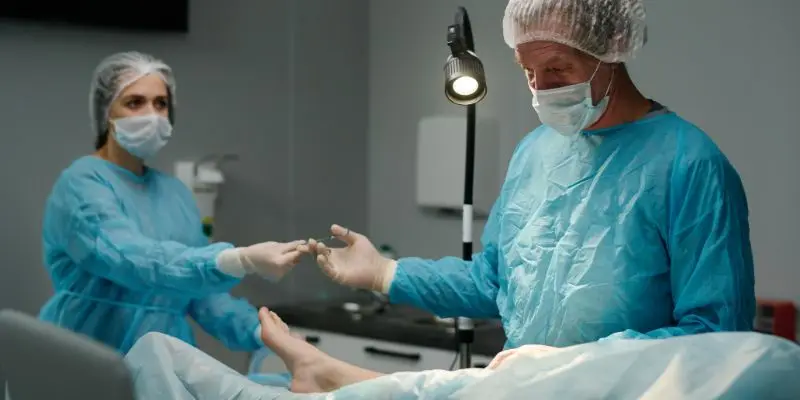
In the most severe cases resistant to conservative therapies, plantar fasciitis can be completely resolved with surgery. Although this is a more invasive procedure than conservative treatments, the success rate is significantly higher and the results are significant, long-lasting, and tangible.
Among the surgical treatments for plantar fasciitis, plantar fasciotomy is the most common procedure. It involves cutting the plantar fascia, which then stretches, thus reducing tension and, along with it, pain. In more specific cases, removal of associated bone spurs may be necessary. This type of procedure is also performed using minimally invasive methods to reduce risks and recovery times.
Recovery times vary depending on the type of surgery chosen and the patient's general condition. After an initial period of rest, rehabilitation and physiotherapy will begin, allowing the patient to return to their daily routine as quickly as possible.
SmartHallux: the choice for you

For those seeking a true recovery from plantar fasciitis, it's important to reiterate the importance of relying on specialists who are ready to provide comprehensive care both during the procedure and during the patient's rehabilitation. Only with competent and reliable guidance can you ensure not only that you choose and undergo the most appropriate procedure, but also that you can fully experience the post-operative period and return to normal life as quickly as possible.
The SmartHallux team of specialists , dedicated to treating foot and ankle conditions, uses the most cutting-edge techniques and practices for plantar fasciitis. For specialized support, book a consultation with Dr. Luigi Manzi, an internationally renowned surgeon and creator of personalized programs designed for every patient. His exceptional expertise and professionalism, combined with the utmost care for his patients, represent an added value for those seeking treatment for plantar fasciitis.