Have you been diagnosed with Morton's neuroma and are looking for alternatives to surgery? I completely understand your concerns. In my practice, I often see patients who arrive scared at the thought of surgery, and I can tell you that today we have much less invasive options. Alcoholization of Morton's neuroma is one of them.
It's a procedure you may never have heard of, but I've been using it successfully for several years. Let me explain what it is and when it might be the right choice.
What Morton's neuroma really is
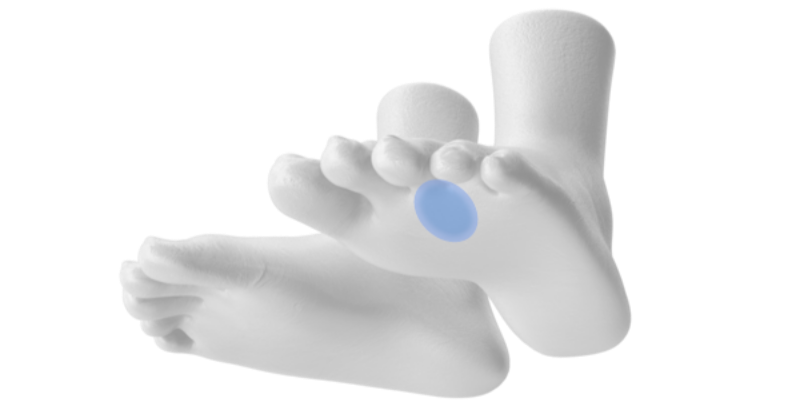
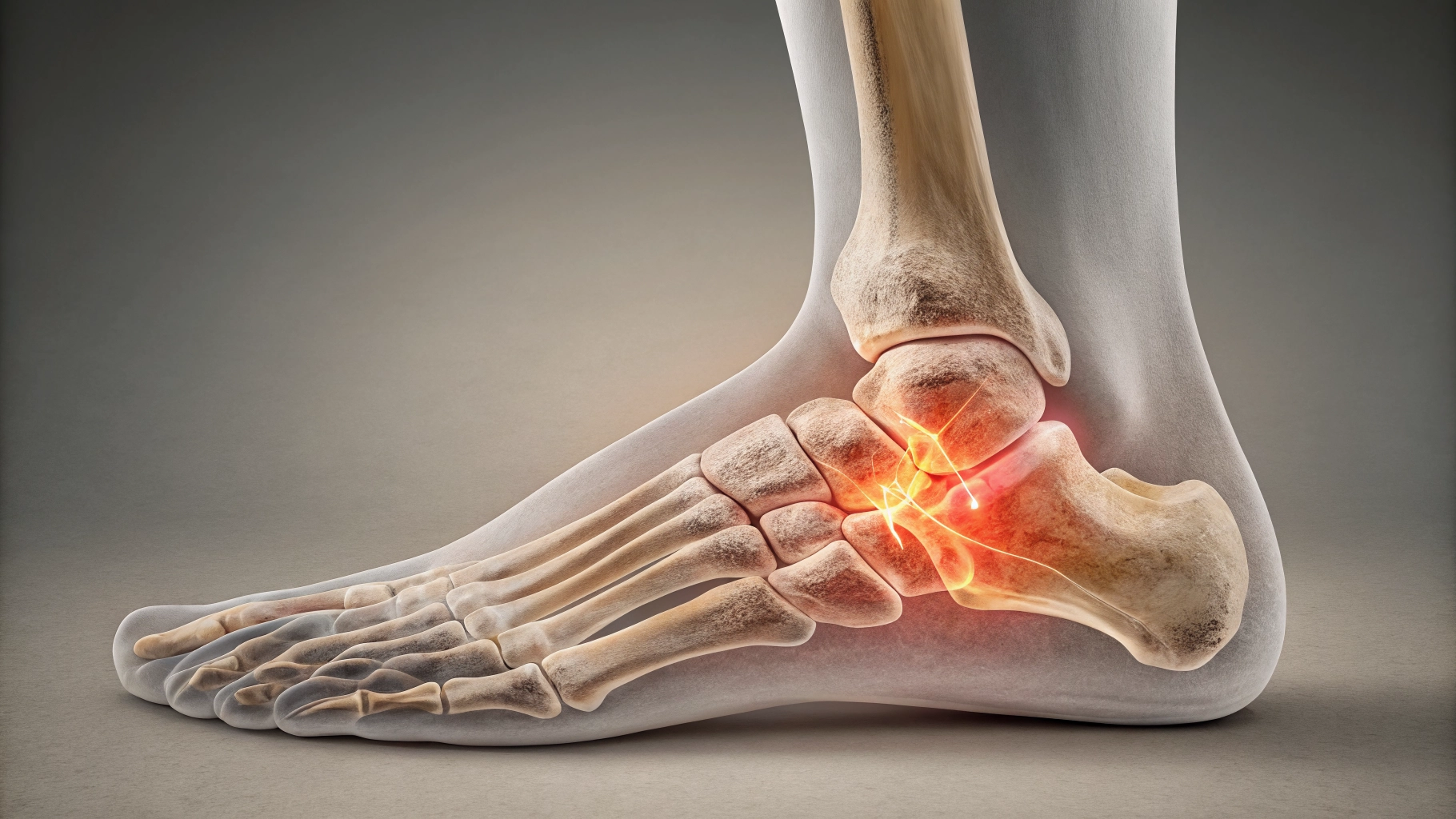
Before discussing treatment, let's clarify this condition. Morton's neuroma isn't a true tumor, despite its frightening name. Rather, it's a thickening of the tissue surrounding a digital nerve in the foot.
It usually affects the space between the third and fourth toes. Imagine the nerve being "pinched" between the metatarsal bones, a bit like an electrical cable pinched between two tables. The result? Pain, burning, and tingling. My patients often describe it as "walking on a pebble" or "wearing a shoe that's too tight."
Why does this thickening form?

The causes are varied and often cumulative. After all, the foot supports the entire body weight every day. High-heeled or too-tight shoes are among the main culprits, constantly compressing the ball of the foot. Certain sports activities, such as running on hard surfaces or dancing, can also contribute.
In fact, I've noticed that many women develop this condition after years of wearing inadequate footwear. But it's not just them: men who work on their feet or wear tight safety shoes can also develop it.
Certain anatomical conditions predispose to the problem. Flat feet or those with very high arches alter weight distribution, creating increased pressure points.
Symptoms You Can't Ignore
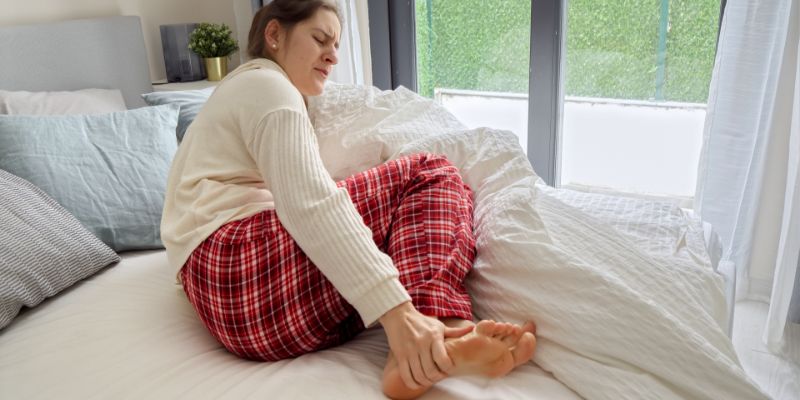
Pain is the main warning sign. It begins gradually, perhaps only at the end of a long day. Then it becomes more frequent and intense.
"Doctor, it feels like I have a nail under my foot," a patient told me last week. Others describe a burning sensation that radiates toward the toes. Tingling is common, especially in the third and fourth toes.
A typical symptom? The pain improves by taking off your shoes and massaging your foot. That's why many patients come to me saying, "I thought it was just the shoes."
How do I make the diagnosis in the office?
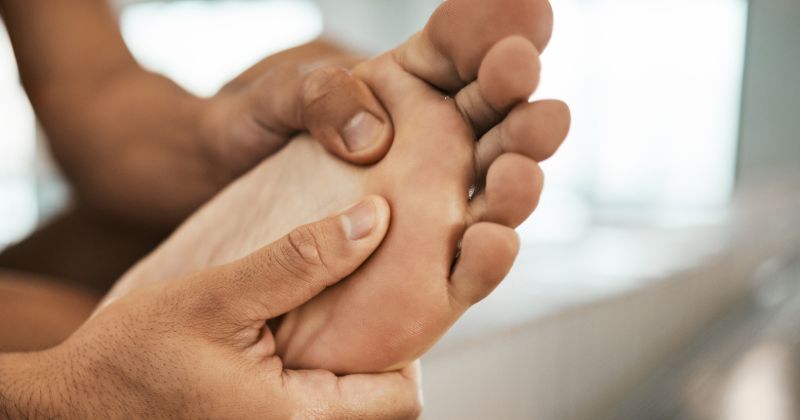
When you come to me with these symptoms, the first thing I do is listen carefully. Your stories already tell me a lot. Then I move on to a physical exam: I gently press the affected area, looking for the famous "Mulder click"—a distinctive sound heard when you press your foot in a certain way.
Ultrasound is often sufficient to confirm the diagnosis. It's quick, non-invasive, and allows me to see the thickening of the nerve. Sometimes I resort to MRI, especially if I have doubts or want to rule out other pathologies.
Complicated tests aren't always necessary. Clinical experience counts for a lot in these cases.
Alcoholism: An Elegant Alternative to Surgery
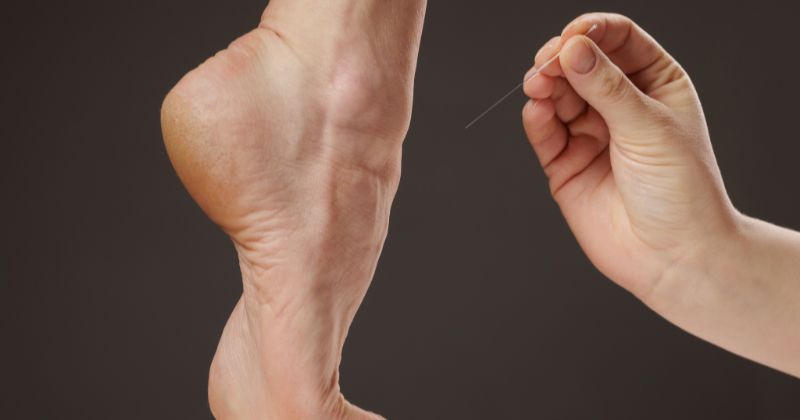
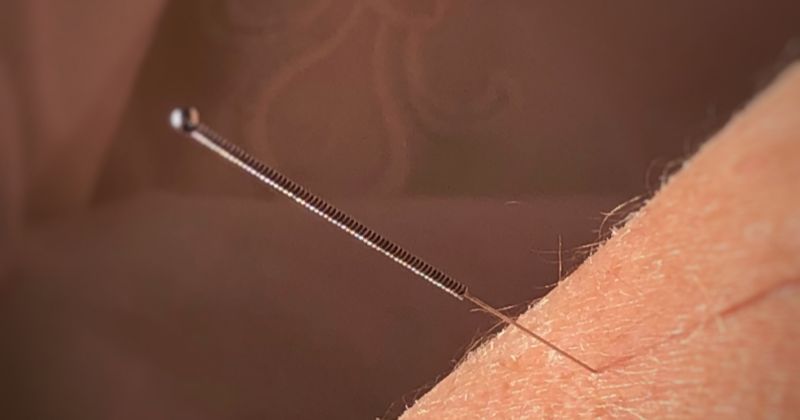
And here we are. Alcoholization of Morton's neuroma is a technique that involves injecting a small amount of ethyl alcohol directly into the affected nerve. It seems strange, right? But the principle is simple and effective.
Alcohol causes a "sclerosis" of the nerve—essentially, it temporarily deactivates it, interrupting the transmission of pain. It's like turning off a switch: the pain signal no longer reaches the brain.
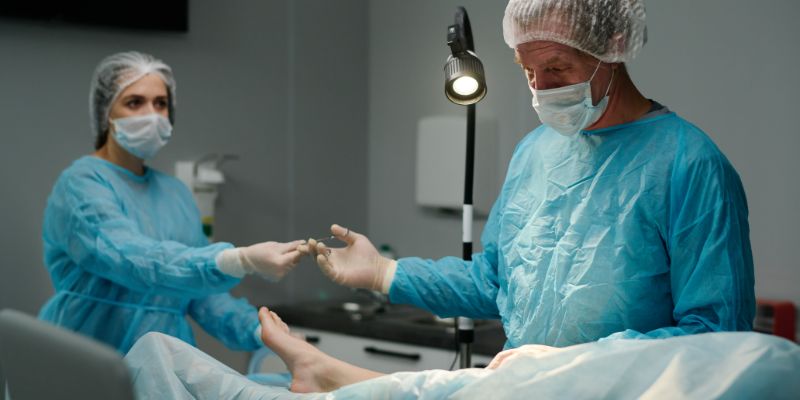
The procedure takes less than half an hour. I perform it in an outpatient setting with local anesthesia—a small injection to numb the area. Then, guided by ultrasound for maximum precision, I inject alcohol into the exact spot. The patient feels only mild discomfort.
Why I choose Morton's neuroma alcoholization for many patients
The advantages over surgery are clear. First of all, it's minimally invasive. No incisions, no stitches, no operating room. Relief comes quickly—often after just a few days.
Recovery is extremely fast. My patients are back to walking normally within 2-3 days. No crutches, no casts, no weeks of forced rest. And if for some reason the effect fades over time, we can repeat the treatment without any problems.
Complications are extremely rare. Of course, there may be some temporary numbness in the treated area, but it usually goes away on its own.
Who can benefit from this procedure
Nerve alcoholization is particularly indicated for those who have tried conservative treatments without success. Orthotics, anti-inflammatory drugs, physiotherapy—if all of these haven't yielded satisfactory results, then it's time to consider alcoholization.
It's also perfect for those who are afraid of surgery or can't afford a long recovery time due to work. The other day I treated a teacher who needed to return to class as soon as possible—after three days, she was walking normally.
Of course, every case is different. Not all neuromas are the same, and not all patients are ideal candidates.
What to expect during and after treatment
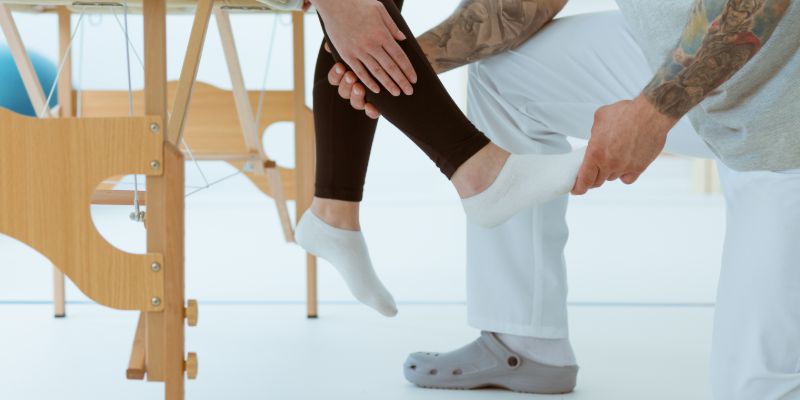
On the day of the procedure, I recommend wearing comfortable shoes. After local anesthesia, the actual injection takes only a few minutes. You may feel a slight pressure or discomfort, but nothing more.
You can walk immediately afterward, although I recommend taking it easy for the rest of the day. A little ice on the area can help if there's swelling. You may still feel some slight pain or numbness for the first few days—this is normal and will pass.
Avoid strenuous sports or long walks for the first week. Your foot needs a few days to "metabolize" the treatment.
The results I see in my study
The effectiveness of sclerotherapy is very good. About 80% of my patients report significant pain relief. The relief can last several months, often more than a year.
Obviously, results depend on many factors: size of the neuroma, duration of symptoms, and individual response to treatment. Some patients feel great for years, while others need to repeat the procedure after 8-12 months.
The great thing is that we can repeat the alcoholization without any problems if necessary. It's not like surgery, where it's a one-time thing.
When alcoholism isn't enough: alternatives
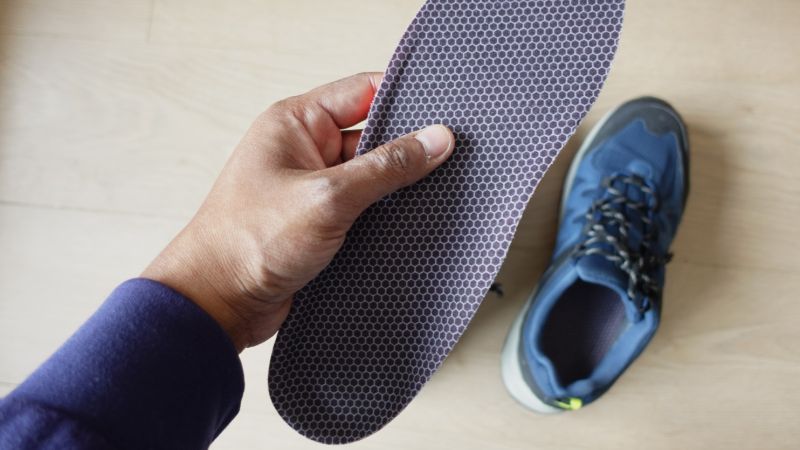
Sometimes alcoholism may not be the definitive solution. In these cases, we have other options. Lifestyle changes are always important: loose-fitting shoes, low heels, and custom-made insoles.
Anti-inflammatory medications can provide temporary relief, especially in acute phases. Physical therapy helps improve foot biomechanics.
In more stubborn cases, surgery always remains an option. This may involve removing the neuroma or sectioning the ligament compressing the nerve. But I always prefer to try less invasive methods first.
SmartHallux: Where we can help you

Dr. Luigi Manzi, who has gained specific experience in this field, follows each patient with a personalized treatment plan using the most modern techniques, including alcoholization of Morton's neuroma.
The SmartHallux team treats conditions such as hallux valgus , Morton's neuroma , and other deformities that cause foot pain. Providing comprehensive support throughout the treatment process, SmartHallux can be a winning choice for effective treatment tailored to your needs. Book your specialist consultation with the SmartHallux team now.
FAQ
Is alcoholism harmful?
No, the procedure is virtually painless thanks to local anesthesia. You'll feel only a slight pressure during the injection.
How long does the effect last?
It varies from patient to patient. On average, 6-18 months, but I have patients who have been feeling good for years after a single session.
Can I repeat the treatment?
Absolutely yes. There are no particular limits to the number of repetitions, if necessary.
Are there any contraindications?
Few and rare. Allergies to ethyl alcohol or active infections in the area are the main causes.