
Pins and needles in the body: that pricking sensation that worries you
Pins and needles in the body, in an arm, a leg or all over, are often brief but can signal a nerve or circulation problem. Causes and when to see a doctor.
By Dr. Luigi ManziUpdated on
Has this ever happened to you? You're sitting there, quiet, and suddenly you feel like someone is poking you with pins. Maybe in your arm, your leg, or even your entire body. It's an uncomfortable sensation, right?
In my office, this is one of the questions I get asked most often. "Doctor, I feel pinpricks on my skin. What could it be?" Well, first of all, I'll tell you something: in most cases, it's nothing serious. But let's try to better understand what's going on.
What is this “pins and needles” feeling?
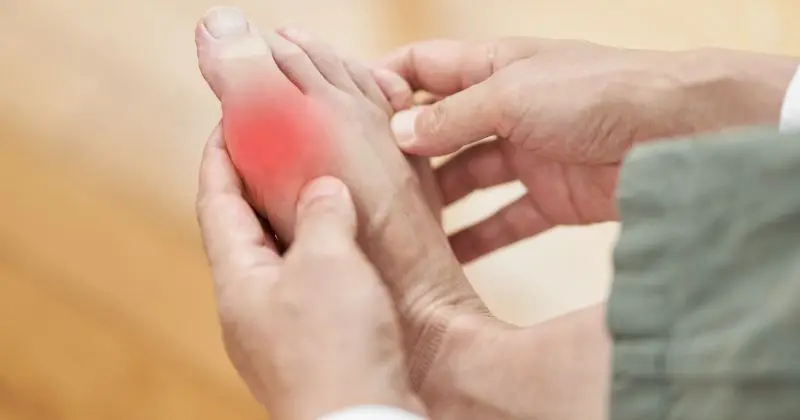
Technically, it's called paresthesia. A complicated name for an alteration in skin sensitivity. It's as if your nervous system is sending "wrong" signals to your brain. The result? That annoying pins-and-needles sensation all over your body.
Think of your nervous system as a sophisticated electrical network. When something interferes with the "wires," the message gets distorted. And the brain interprets this disturbance as a tingling sensation, a tingling sensation, or that prickling sensation all over your body.
It's not that there's actually a pin, of course. It's just that the nerves are "talking" differently than usual.
The most common causes of these bites

Let's see why this happens. In my work as an orthopedic surgeon, I often see patients with these symptoms, and there are many causes.
Poor posture is one of the first things I check. Do you sit at your desk for hours? Do you always sleep in the same position? Nerves can become compressed, and when they "wake up," they give you that tingling sensation. It's like when your foot "falls asleep," but in a more subtle version.
Then there's the issue of circulation. I've seen diabetic patients who describe these exact pinpricks on their skin. Diabetes can damage the small vessels that nourish the nerves, and they begin to "protest" with these strange signals.
Nutritional deficiencies are another interesting topic. Vitamin B12, for example. When it's lacking, nerves really suffer. I had a patient who had been on a very restrictive diet for months. The result? A pins-and-needles sensation, caused precisely by this vitamin deficiency.
Some medications can cause this side effect. Chemotherapy drugs, certain antiepileptics... it's always important to check the package insert, or better yet, discuss it with the doctor who prescribed them.
And then there are spinal problems. A herniated disc can cause symptoms even outside the back. I've seen patients with tingling in their hands caused by neck problems. The human body is all connected, that's why.
Something we often underestimate is stress. Anxiety can manifest itself in a thousand ways, and pins and needles on the body are one of them. The nervous system is more sensitive when we're under pressure.
Symptoms you should know
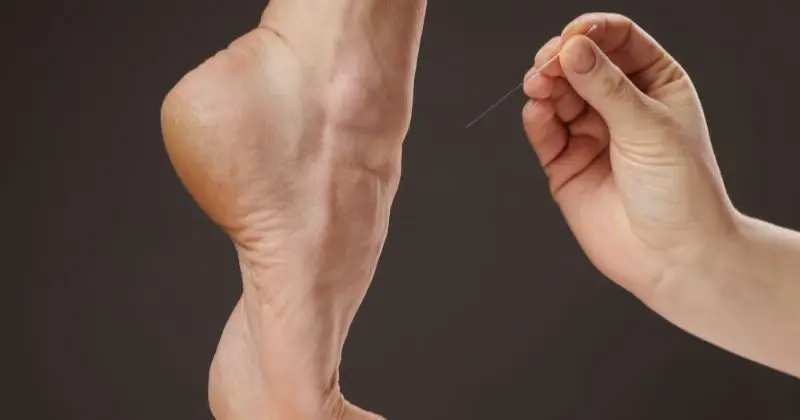
The most typical sensation is that of pricking. Like tiny needles touching your skin. But that's not the only one.
There's numbness. That feeling of having your skin "off," as if it were asleep. Then the burning—some patients tell me they feel as if they've placed their hand on something hot. Muscle weakness can accompany these symptoms, especially if the problem is nervous. And of course, pain, which can be dull or sharp.
Each patient describes these symptoms differently. Some say "I feel electric shocks," others say "bubbles bursting under the skin." The important thing is that you can clearly describe what you feel.
When you really need to worry

Now, the million-dollar question: When should you rush to the doctor?
If the sensation is sudden and very intense, don't wait. Especially if you also experience weakness, difficulty moving an arm or leg, or if it affects your face. These could be signs of something more serious.
If the tingling persists for days without improving, it's worth getting checked out. The same goes if it's accompanied by severe pain or if it interferes with your daily activities.
A recent trauma? Again, it's best not to underestimate it. Sometimes, nervous symptoms can appear even a few days after an accident.
How is the diagnosis made?

When a patient comes to me with these symptoms, I first listen. They tell me when they started, where they feel these "pins and needles," and whether anything improves or worsens the situation.
Then I do a physical exam. I check sensation, muscle strength, and reflexes. Sometimes this is enough to get a fairly clear picture. Other times, more specific tests are needed.
Electromyography can be useful if I suspect a nerve problem. MRI if I suspect spinal problems. Blood tests can be helpful to check vitamins, blood sugar, and thyroid function. In short, every case is different.
What can you do to feel better?

Treatment obviously depends on the cause. If it's a vitamin deficiency, we supplement it. If it's postural, we work on positioning and do physical therapy. Circulatory problems? The underlying cause must be treated.
I sometimes use specific medications for neuropathic pain. Gabapentin, pregabalin... These are medications that "calm" hyperexcitable nerves. They work well, but must be used under medical supervision.
Physiotherapy can be very helpful, especially if there's a postural or muscular component. I've seen patients improve significantly with just a re-education program.
Practical advice I always give

Move regularly. If you work sitting down, get up every hour. Stretch, especially your neck and back. Posture is important: keep your monitor at the right height, your back straight, and your feet well supported.
Sleep well and in a comfortable position. Sometimes, changing your pillow is enough to solve tingling in your arms.
Manage stress. Easier said than done, I know. But relaxation techniques, exercise, hobbies... anything that makes you feel good mentally also helps physically.
SmartHallux: Where we can help you

Here at SmartHallux, we specialize in foot and ankle surgery. Dr. Luigi Manzi, who has extensive experience in this field, provides each patient with a personalized treatment plan using the most modern techniques.
The SmartHallux team treats conditions such as hallux valgus , Morton's neuroma , and other deformities that cause foot pain. Providing comprehensive support throughout the treatment process, SmartHallux can be a winning choice for effective treatment tailored to your needs. Book your specialist consultation with the SmartHallux team now (opens in a new tab).
Questions you often ask me
Doctor, I've had these bites all over my body for days, what should I do?
First thing: don't panic. In most cases, it resolves on its own. But if it persists for more than a week, or if you have other associated symptoms, it's best to get checked out. A visit can quickly clarify the situation and give you the peace of mind you need.
Can these pins and needles sensations be dangerous?
Tingling itself isn't dangerous. It's a symptom, a "message" the body sends us. The real risk is underestimating the underlying cause if it's something serious. This is why a medical evaluation is important when symptoms persist.
I've tried massages and creams, but it doesn't go away. What else can I do?
If home remedies don't work, you probably need to look deeper. A thorough neurological examination can pinpoint the true cause and guide you toward the right treatment. The problem isn't always local—sometimes you need to look elsewhere.