
Ankle Osteochondritis: Causes, Symptoms, and Treatments
Ankle osteochondritis is damage to the cartilage and underlying bone of the talus, often without a clear injury. The causes, symptoms and treatment options.
By Dr. Luigi ManziUpdated on
Have you ever felt ankle pain without a specific sprain or injury? It could be ankle osteochondritis , a little-known but not uncommon condition, especially in young people. Let's explore what it is, the signs you shouldn't ignore, and how to treat it.
What is ankle osteochondritis?

Ankle osteochondritis is a condition that affects the talus , the bone at the back of the foot that forms the ankle joint. Simply put, a portion of the bone and the overlying cartilage undergo a deterioration process, which can cause persistent pain and swelling.
This condition primarily affects children and adolescents, but is not exclusive to these age groups. Risk factors include repeated microtrauma (e.g., during sports), growth abnormalities, or local vascular problems.
Possible causes of osteochondritis

The exact cause isn't always clear. However, doctors have identified some common mechanisms:
- Repetitive microtraumas or overloading of the ankle
- Problems in the vascularization of the bone
- Genetic predisposition
- Bone growth disorders
In some cases, the pathology can evolve into osteonecrosis of the talus , a more serious condition in which the bone completely loses its blood supply.
What are the symptoms to recognize?
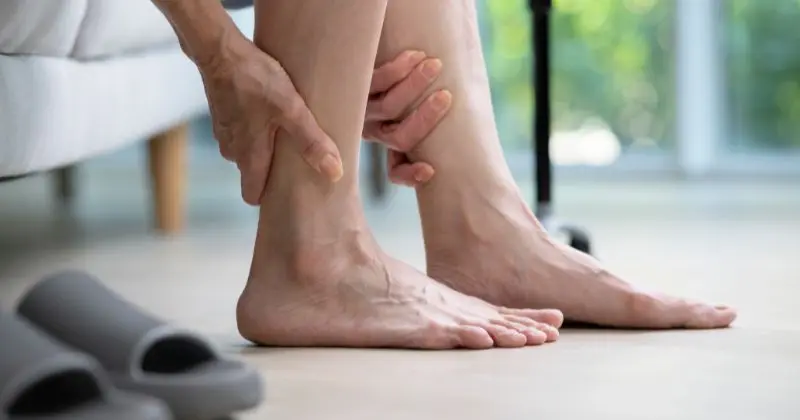
The main symptom is ankle pain , which worsens during physical activity or when putting weight on the foot.
Other signs to monitor:
- Persistent swelling
- Joint stiffness
- Feeling “stuck” or unstable
- Heat and sensitivity in the painful area
How do you get a diagnosis?

The diagnostic process involves several steps:
- Orthopedic visit with collection of medical history and physical assessment.
- Radiography, to identify any bone lesions.
- Magnetic resonance, essential for evaluating the condition of the cartilage and any necrosis.
- In some cases, additional tests such as a CT scan may be required.
Early diagnosis is essential to avoid permanent damage to the joint.
What treatments are available?
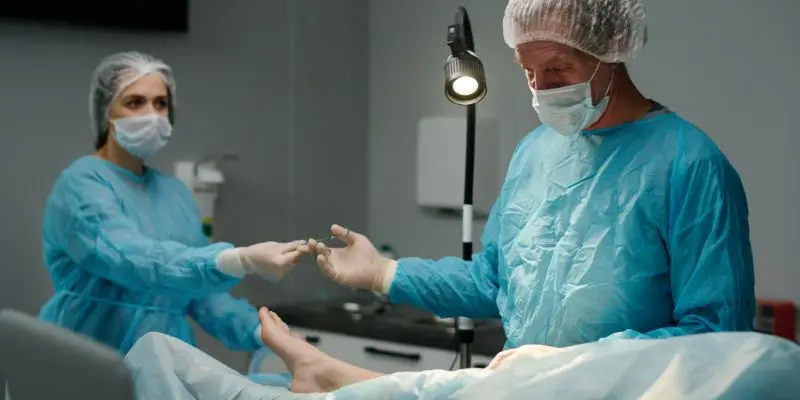
Treatment depends on the stage of the disease and the severity of the symptoms.
Conservative treatment
In the initial or less serious cases, we resort to:
- Rest and suspension of sporting activity
- Ice application and anti-inflammatory therapies
- Use of braces or casts to limit the load
- Targeted physiotherapy
Surgical treatment
When conservative therapy isn't enough, surgery may be considered . Techniques range from simple bone drilling to stimulate regeneration to more complex procedures such as cartilage transplantation.
Post-operative recovery

Recovery after surgery can last from a few weeks to several months, depending on the type of procedure performed. Rehabilitation is essential to restore mobility and strength to the ankle. Physical therapists will follow the patient step by step, adapting the exercises to their condition.
Can osteochondritis be prevented?

It is not always possible to prevent it completely, but some good practices can reduce the risk:
- Avoid joint overload during sports activities
- Wear suitable, well-cushioned footwear
- Always perform a good warming up before physical activity
- Listen to your body's signals: recurring ankle pain should never be ignored.
When to see a specialist?

If you experience ankle pain that doesn't go away with rest or notice persistent swelling, it's important to see a specialist. Early diagnosis can prevent future complications.
The SmartHallux team treats conditions such as hallux valgus , Morton's neuroma , and other deformities that cause foot pain. Providing comprehensive support throughout the treatment process, SmartHallux can be a winning choice for effective treatment tailored to your needs. Book your specialist consultation with the SmartHallux team now (opens in a new tab).
Frequently asked questions
What is ankle osteochondritis?
It's a condition that affects the talus, causing pain and swelling. It's related to a problem with bone growth or blood supply.
What are the main symptoms?
Pain and swelling are the most common. Stiffness and difficulty walking are often associated.
How is it treated?
It depends on the severity. Rest, physical therapy, and in some cases surgery are the options available.