
Do you ever get out of bed and immediately feel that twinge in your ankle? Or after a long day at work, do you notice that your ankle is swollen and painful?
Well, you're probably dealing with what we doctors call ankle arthralgia. It's nothing more than joint pain, but when it affects this area, so crucial to our mobility, it can really complicate your daily life.
I see many patients who come to my office underestimating this problem. "Doctor, it's just a little pain in the ankle," they tell me. But arthralgia can hide several conditions that deserve attention.
What it really means to have ankle arthralgia

When we talk about arthralgia, we simply mean joint pain. The ankle, however, is more than just a joint—it's a complex system of bones, ligaments, and tendons that must support our entire body weight and allow us to walk, run, and jump.
Ankle arthralgia can affect the ankle joint (the main joint) or the other small joints of the foot. It's a more common problem than you might think, especially among athletes and those who spend a lot of time on their feet for work.
You may have heard people say, "I have ankle arthritis" or "I suffer from chronic arthralgia." They're all manifestations of the same phenomenon: joint pain, which can become a truly annoying companion.
Why does your ankle hurt? There are many causes.

The first thing I always ask my patients is, “When did the pain start?” This question helps me understand whether we're dealing with trauma or something that has developed over time.
Sprains are probably the most common cause I see. All it takes is a poorly placed step, an unseen pothole, or a poor movement during sports. The ligaments stretch or tear, and inflammation sets in. The problem is that many people don't treat the first sprain properly, and this can lead to chronic instability.
On the other hand, not all arthralgia arises from trauma. Ankle osteoarthritis, for example, is the result of years of wear and tear. Think of cartilage like the tread of a tire: over time, it wears down, the bones begin to rub together, and pain arises.
Then there's tendinitis. The Achilles tendon is often involved, but the peroneal tendons can also become inflamed, especially if you play sports that require frequent changes of direction or if you've started a new activity without adequate preparation.
Rheumatoid arthritis is another story. It's an autoimmune disease that can also affect the ankle, causing persistent inflammation and, if left untreated, progressive deformities. Gout, on the other hand, can cause attacks of excruciating pain—I've seen patients who couldn't even touch a sheet to their skin.
Symptoms You Shouldn't Ignore

Pain is obviously the main symptom, but it's not all the same. Some patients describe a dull, constant ache, others describe sharp, sudden stabbing pains.
Swelling often accompanies the pain. You may notice that your shoe is starting to feel tight, or your ankle seems more swollen than usual, especially in the evening.
Morning stiffness is typical of chronic arthralgia. "Doctor, the first few steps are torture," they often tell me. Then, after walking a bit, things improve. It's as if the joint needs to "warm up."
Difficulty in movement may develop gradually. You may notice that you can no longer bend your ankle as you used to, or that certain movements cause pain. Some patients tell me they've noticed a "gritty" feeling when they move the joint.
How do I diagnose in my office?

When a patient comes to me for ankle arthralgia, I always start by listening. I want to know everything: when it started, what's making it worse, what's making it better, and whether there's been any previous trauma.
Then comes the physical examination. I watch how you walk, I observe the shape of your ankle, I check for swelling or redness. I palpate the joint to assess exactly where the pain is located—this gives me a lot of information about the possible cause.
Specific tests help me determine whether there's ligament instability or whether the problem is more of a joint issue. For example, the anterior drawer test tells me if the ligaments are intact.
Instrumental tests are often necessary. An X-ray is almost always the first step—it shows the condition of the bones, any signs of arthritis, and hidden fractures. If I have any doubts, I can request an MRI to better evaluate soft tissues such as ligaments, tendons, and cartilage.
In some cases, especially when I suspect an inflammatory cause, I will also order blood tests to check for inflammatory markers.
The treatment options we have available

The good news is that we have many options for ankle arthralgia. The first approach is almost always conservative.
Rest is essential, especially in acute phases. "But doctor, I can't stay still!" – I hear it often. I understand, but sometimes giving the joint a break is the first step toward recovery. It doesn't mean staying still, but rather avoiding activities that worsen the pain.
Anti-inflammatories can provide relief, but they're not a permanent solution. I use them primarily to manage acute phases and allow for the start of physical therapy.
Physiotherapy is often the key to success. A good therapist can help you regain mobility, strength, and proprioception. Especially after a sprain, retraining the joint is essential to prevent recurrence.
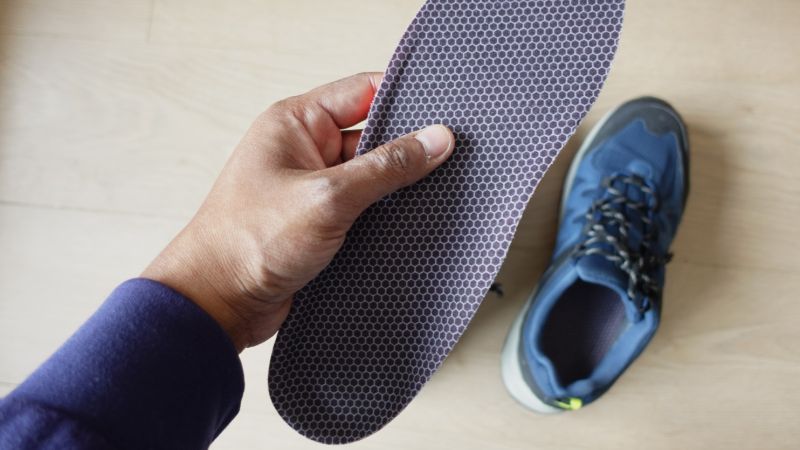
Orthotics can be very helpful, especially if you have support issues that put extra strain on the ankle. Sometimes, correcting the biomechanics of the foot is enough to resolve the ankle problem.
In more complex cases, we may consider injections with hyaluronic acid or cortisone. These treatments can yield excellent results, especially in early osteoarthritis.
When surgery becomes necessary

We can't always resolve everything with conservative treatments. In some cases, surgery may be the best solution.
Ankle arthroscopy allows us to "look inside" the joint and treat problems such as loose bodies, cartilage lesions, or inflammation of the synovial membrane. It is a minimally invasive technique that has revolutionized the treatment of many ankle conditions.
For severe arthritis, we may consider arthrodesis (joint fusion) or, in selected cases, ankle replacement. The latter is a complex procedure, but it can restore a good quality of life in appropriate patients.
Post-surgical rehabilitation is crucial. Every procedure has its own recovery time, and following the rehabilitation protocol is essential to the success of the operation.
How to prevent ankle arthralgia

Prevention is always better than cure. There are a few things you can do to protect your ankles.
The right footwear is essential. Shoes that are too high, too flat, or unsuitable for the activity you're doing can cause problems. If you play sports, invest in shoes specifically designed for your discipline.
Maintaining a healthy body weight reduces the strain on your joints. Every extra pound puts more stress on your ankles, especially when walking and running.
Regular exercise keeps the muscles that stabilize the ankle strong. Even simple balance and proprioception exercises can make a difference.
If you've had sprains in the past, it's important to continue specific exercises to maintain joint stability. An unstable ankle is more prone to reinjury.
SmartHallux: Where we can help you

Here at SmartHallux, we specialize in foot and ankle surgery. Dr. Luigi Manzi, who has extensive experience in this field, provides each patient with a personalized treatment plan using the most modern techniques.
Our philosophy is to treat each case unique. There are no standard solutions: every patient has their own story, needs, and goals. That's why we offer a comprehensive assessment that starts by listening to your needs.
The SmartHallux team treats conditions such as hallux valgus , Morton's neuroma , and other deformities that cause foot pain. Providing comprehensive support throughout the treatment process, SmartHallux can be a winning choice for effective treatment tailored to your needs. Book your specialist consultation with the SmartHallux team now.
Questions you often ask me
Doctor, can this ankle pain become chronic?
Unfortunately, arthralgia can become chronic if not treated properly. Poorly treated sprains, in particular, can lead to persistent instability and recurring pain. Therefore, it's important not to underestimate the symptoms and seek medical attention.
How long does it take to recover from ankle arthralgia?
It depends a lot on the cause. A simple sprain can resolve in 2-4 weeks with the right treatment. Osteoarthritis, on the other hand, is a chronic condition that requires long-term management. Tendinitis may require several months of patient therapy. Every case is different.
Can I continue to play sports with arthralgia?
It depends on the type of pain and its intensity. Generally, pain-free activities can be continued. However, if the pain worsens during or after the activity, it's best to temporarily stop and consult a specialist.
Are the infiltrations painful?
Modern infiltrations, performed with the right precautions, are generally well tolerated. We use thin needles and, when necessary, a little local anesthetic. Discomfort is minimal and temporary.