
Bone Thickening: When Bone Becomes “Too Hard”
Bone thickening, or osteosclerosis, is an area of bone that has become denser than normal. What it means on an X-ray, the causes and when to investigate.
By Dr. Luigi ManziUpdated on
Have you ever heard your doctor say, "There's a thickening of the bone here," while looking at an X-ray? Maybe you've wondered what that means exactly. Don't worry, it happens often in my office. Thickening of the bone, which we doctors also call osteosclerosis, is essentially an area of bone that has become denser and more compact than normal.
Think of bone as a sponge. It normally has a structure with spaces and trabeculae that give it strength but also flexibility. When a thickening forms, it's as if that sponge becomes firmer, "fuller" in certain areas. This isn't always a serious problem, but it's important to understand why it formed.
What exactly is this bone thickening?
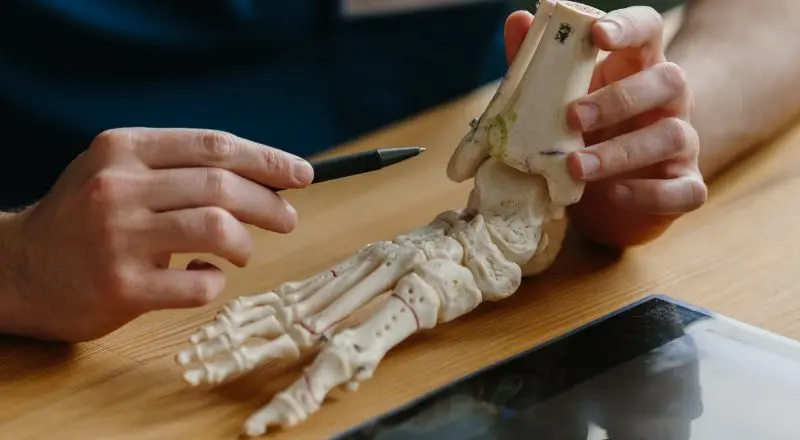
Bone thickening is our body's response to various stimuli. Bone tissue, which is much more "alive" than we think, continually reacts to mechanical stress, trauma, and infection. It's a tissue that constantly renews itself, and when something "disturbs" it, it can respond by thickening.
In my daily work, I see bony thickenings, especially in the foot and ankle. They often appear in subchondral sclerosis of the tibial plateau, where the bone beneath the cartilage becomes denser to compensate for joint wear. It's one of the first things you see when arthritis begins to take its toll.
Let me give you a concrete example. The other day, a patient came to me with foot pain that had been going on for months. The X-ray clearly showed a thickening of the bone in the metatarsal area. It was the bone's response to repeated stress, likely due to his walking style, which put too much strain on that area.
Why does it form? The main causes

Let's look at the main causes together, which are the ones I see most often in my practice. Not all of them are serious, in fact.
Trauma is a very common cause. When you break a bone, the healing process isn't always perfect. The callus that forms can be excessive, creating denser areas. I've seen cases where an old foot fracture, even if well healed, had left a thickening that caused problems years later.
Bone infections can trigger an inflammatory reaction that leads to the formation of dense, irregular bone. Fortunately, they're less common, but when they do occur, they often leave these characteristic signs on X-rays.
Furthermore, chronic inflammatory conditions like arthritis are a very common cause of bone thickening. Chronic inflammation continuously stimulates the cells that produce bone, resulting in progressive densification of the most stressed areas.
In fact, some congenital factors can also predispose to thickening. Certain bone malformations present from birth create abnormal load distributions, and over time, the bone reacts by thickening in the most stressed areas.
Bone tumors, both benign and malignant, can cause thickening. This is one of the reasons why, when faced with a suspicious bone thickening, it's important to always get the right tests.
The symptoms you need to recognize

Pain is the most common symptom that brings patients to my office. It's not always present, which is why lumps are often discovered incidentally during X-rays taken for other reasons. But when it does hurt, patients describe it as a dull, constant ache that worsens with weight bearing.
Swelling may be present, especially if the lump is close to the surface. The skin above it may become red and warm to the touch.
Joint stiffness is another symptom I see often, especially when the thickening involves areas near the joints. Patients tell me, "Doctor, I have trouble moving my foot in the morning," or "After sitting for a while, when I get up I need to take a few steps to loosen up."
How do I diagnose?

First, I listen. The patient's history often tells me more than the X-ray itself. When did the pain begin? Was there trauma? Does walking worsen the symptoms?
Then I examine the foot or ankle, looking for areas that are tender to pressure, and assessing joint mobility. Often, from the clinical exam alone, I have a pretty good idea of what to expect from the X-ray.
X-rays are the primary examination. The lumps appear as whiter, more opaque areas than normal bone tissue. Sometimes standard views are sufficient, other times special views are needed to better visualize the suspicious area.
When X-rays aren't enough, I resort to CT or MRI scans. CT provides better details on the bone structure, while MRI shows me if there are active inflammatory processes in the surrounding soft tissues. They aren't always necessary, but in complex cases they're crucial.
Treatment options
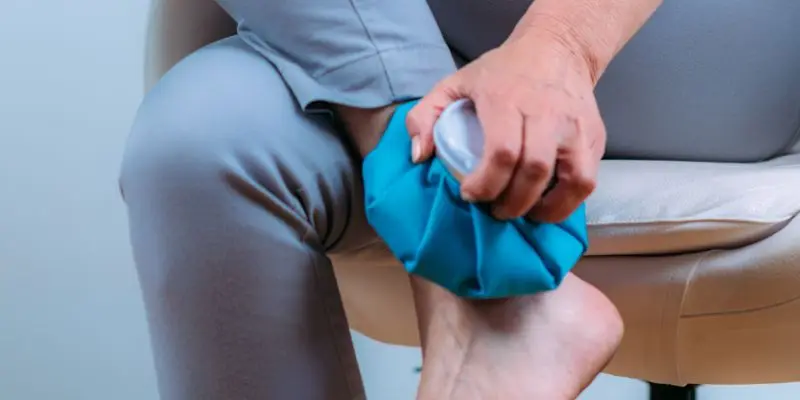
Treatment depends largely on the cause and symptoms. Not all lumps require treatment; some are simply the "memory" of an old trauma and don't cause any problems.
When there's pain or functional limitation, I always start with a conservative approach. Relative rest, ice in acute phases, and anti-inflammatories to control pain and inflammation. Physical therapy can be very helpful in maintaining joint mobility and strengthening the surrounding muscles.
In more severe forms, when conservative treatment fails and symptoms significantly limit quality of life, surgery may be necessary. The goal is to remove the abnormal bone tissue and restore normal anatomy.
I've seen cases where a small bony lump compressing a nerve caused excruciating pain. In those cases, targeted surgical removal completely resolved the problem.
Recovery: What to Expect

Recovery depends greatly on the type of treatment. With conservative therapy, improvements are gradual. I usually see the first benefits after 2-3 weeks of consistent treatment.
Recovery times after surgery are longer. Bone tissue needs time to heal and remodel. On average, for foot surgeries, it takes 6-8 weeks before normal activities can be resumed, although each case is different.
One important thing I always explain to my patients: bone healing isn't linear. There are better days and worse days, and that's normal.
How to prevent bone lumps

Completely preventing bone thickening isn't always possible, but there are things we can do to reduce the risk. Maintaining a healthy body weight reduces the strain on the joints. Regular, but moderate, physical activity keeps bones healthy and strong.
Wearing the right footwear is essential, especially if you have foot problems. Shoes that distribute weight poorly can create stress zones that, over time, lead to thickened skin.
If you've had foot or ankle trauma, it's important to get the checkups your orthopedist recommends. Proper follow-up allows you to detect problems before they become symptomatic.
SmartHallux: Where we can help you

Here at SmartHallux, we specialize in foot and ankle surgery. Dr. Luigi Manzi, who has extensive experience in this field, provides each patient with a personalized treatment plan using the most modern techniques.
We use minimally invasive approaches when possible, arthroscopic techniques to reduce recovery times, and in more complex situations we also use biological therapies and stem cells to promote bone healing.
The SmartHallux team treats conditions such as hallux valgus , Morton's neuroma , and other deformities that cause foot pain. Providing comprehensive support throughout the treatment process, SmartHallux can be a winning choice for effective treatment tailored to your needs. Book your specialist consultation with the SmartHallux team now (opens in a new tab).
FAQ
Is bone thickening dangerous?
Not necessarily. Many lumps are benign and don't require treatment. However, it's important to perform a thorough assessment to rule out more serious causes and decide whether long-term monitoring is necessary.
Can it come back after treatment?
It depends on the cause. If the thickening was due to repeated mechanical stress and the cause is not eliminated, it can recur. Therefore, it's also important to correct any support or posture issues.
How long does it take to heal??
It varies greatly. With conservative therapy, improvements are usually seen in 4-6 weeks. After surgery, complete recovery may take several months.