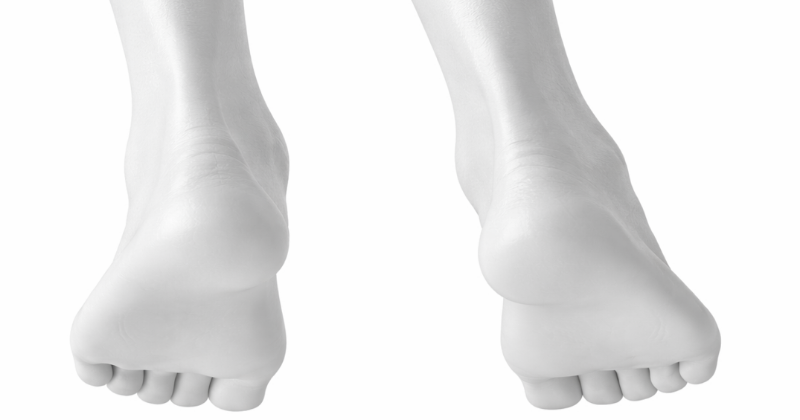
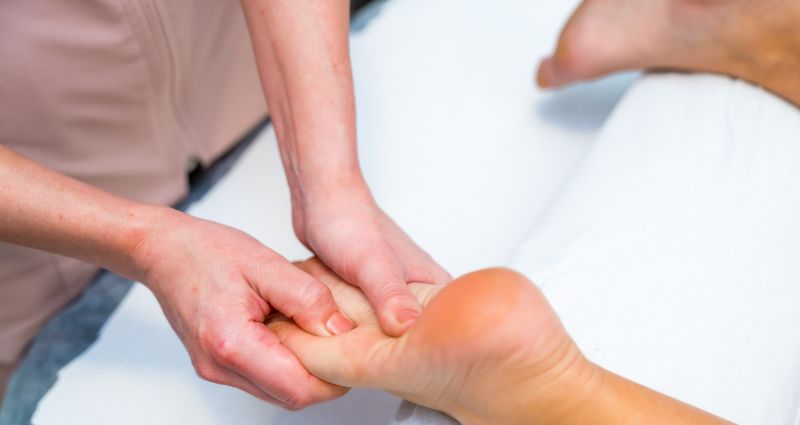
Today we'll talk about two foot conditions that are more common than you might think: brachymetatarsalgia and flat feet . Foot health is crucial to your well-being, and understanding how to recognize and treat these problems will help you maintain normal, pain-free walking.
Brachymetatarsia: Recognizing and Understanding the Condition
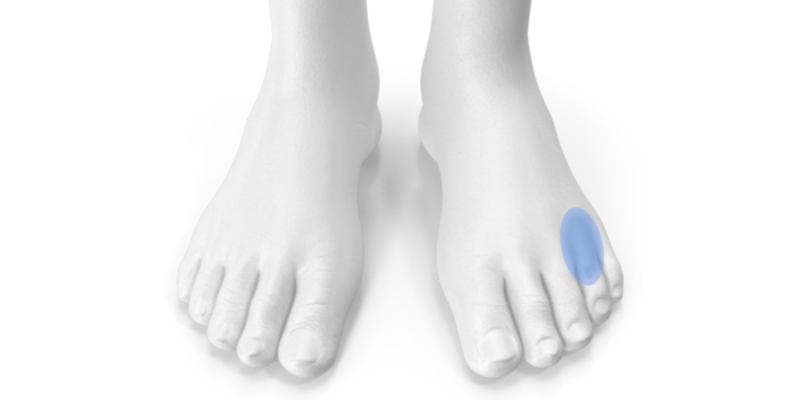
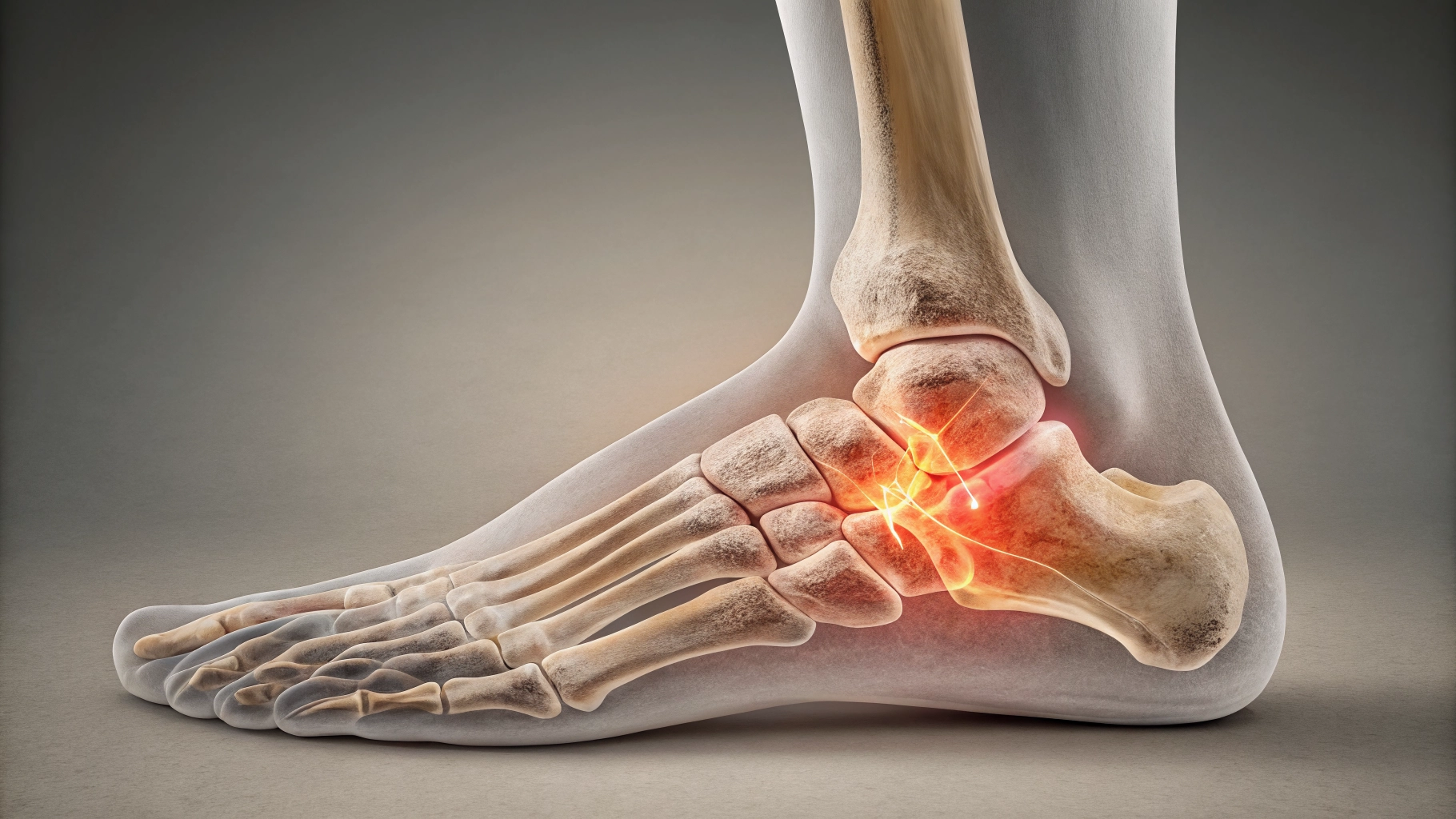
Brachymetatarsia is a foot condition in which one of the metatarsals is shorter than normal . It has an abnormal appearance and can cause significant difficulty walking. This condition affects both children and adults and is often hereditary.
The causes of brachymetatarsia are varied. In some cases, the problem is congenital and develops during fetal growth , while in others it is caused by trauma that stops bone growth . Among the main symptoms are pain when walking, persistent calluses , and difficulty wearing shoes. It is not uncommon for those suffering from this condition to also experience a certain degree of embarrassment due to the appearance of their feet.
Diagnosis of brachymetatarsia
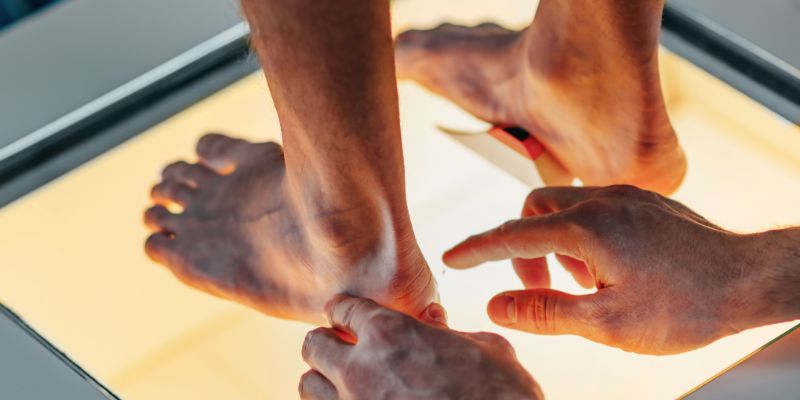
How is brachymetatarsia diagnosed? A doctor performs a physical examination , along with foot x-rays to assess the length of the metatarsal bones. The patient's family history is often also considered to determine any previous history. This helps the doctor determine the best possible treatment, depending on the severity and impact on the patient's quality of life.
Treatments for brachymetatarsia

Treatment for brachymetatarsia varies depending on the severity of the condition and how much it affects the patient's daily life. Treatment typically aims to reduce pain , improve foot function, and correct the aesthetic appearance. Nonsurgical options may be helpful in less severe cases and include:
- use of orthopedic shoes to reduce pressure on the foot;
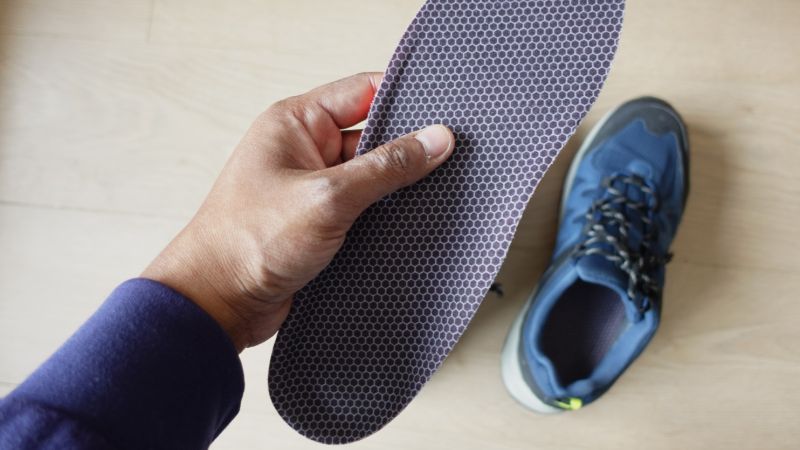
- customized footbed inserts to distribute the weight better;
- physiotherapy to strengthen the foot muscles and reduce pain.
Corrective surgery
When non-surgical options fail to resolve the problem, corrective surgery is often the option. This surgical procedure, known as a lengthening osteotomy , involves lengthening the short metatarsal bone. It's a procedure that can take several months to fully heal but offers satisfactory functional and aesthetic results.
Post-operative rehabilitation
After surgery, rehabilitation is essential for prompt recovery. Patients will need to follow physical therapy programs to improve mobility and reduce swelling . It's essential to follow medical instructions carefully and stay in constant contact with their physical therapist to avoid complications and return to normal daily activities as quickly as possible.
Flat foot: identification and implications
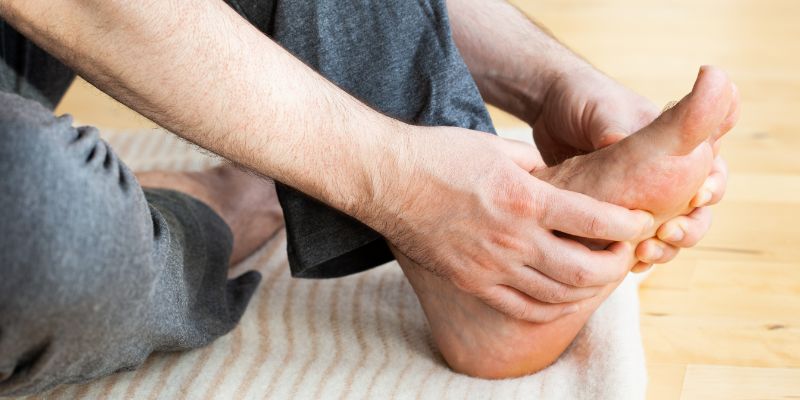
Flat feet occur when the arch of the foot is reduced or completely absent. Many people live with flat feet without realizing it, but in some cases, pain and complications can arise . Let's look at how to recognize this condition and what the possible consequences are.
Symptoms of flat foot
Flat foot symptoms can vary. Here are some common signs to watch for:
- pain or discomfort in the feet, especially after long walks or physical activity;
- feeling of fatigue in the foot or ankle area;
- difficulty performing certain movements, such as standing on tiptoe.
Severity can depend on several factors, including age and the severity of the condition. In milder cases, symptoms are minimal, while in more severe cases, problems also occur in other joints, such as the knees.
Differential diagnosis
Understanding that a patient suffers from flat feet is essential to finding the most effective treatment. It's important to distinguish the condition from other foot problems, such as:
- Hollow foot (high arch).
- Post-traumatic deformities.
- Arthritis in the foot.
Usually, the orthopedist performs a physical examination, but X-rays may be necessary for further analysis.
Long-term implications for foot health
If left untreated, flat feet can negatively impact foot health throughout life. Possible complications include:
- increased risk of developing arthritis;
- postural problems;
- chronic pain that may extend to the knees and back.
Treatments for flat feet
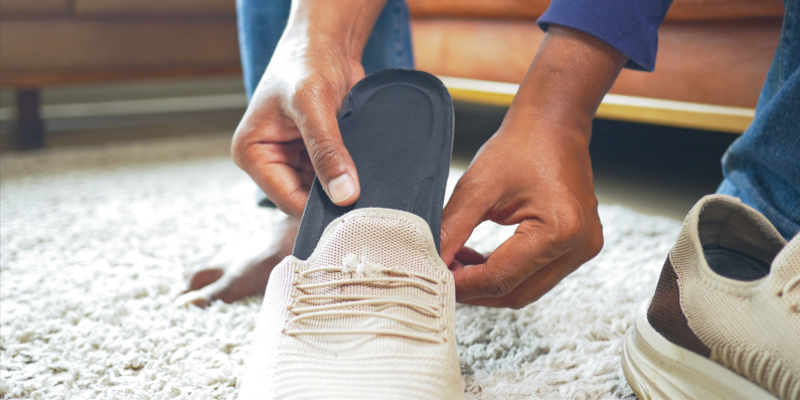
Orthopedic insoles are the most common and effective solution. They provide proper alignment and support for the arch of the foot. Various types are available, both pre-made and custom-made, to adapt to the patient's specific needs.
Contact SmartHallux to solve your foot problems

Living with brachymetatarsia is no easy task. SmartHallux solves this problem through innovative techniques and its team of specialists. Personalized treatments are designed to improve your quality of life.
SmartHallux uses minimally invasive techniques to correct all foot conditions, ensuring excellent results both functionally and aesthetically. Don't let these problems limit your daily life. Book a consultation now using our booking form on the website.