
Brachymetatarsia and shoes: how to choose the right footwear
Choosing the right footwear for the right level of comfort. In this article, "Brachymetatarsia and Shoes," we'll look at how to choose shoes.
By Dr. Luigi ManziUpdated on
Finding the right shoes for those with brachymetatarsal deformity isn't easy . Besides causing discomfort due to the aesthetic appearance of the foot, this condition causes difficulty and pain while walking.
Therefore, choosing the right footwear is essential for providing the right level of comfort and support. In this article, "Brachymetatarsia and Shoes," we'll explore how to choose the most suitable shoes. We'll discuss various options, from orthopedic shoes to custom-made ones, to ensure every step is as comfortable as possible.
Brachymetatarsal arch and shoes: cushioning and arch support
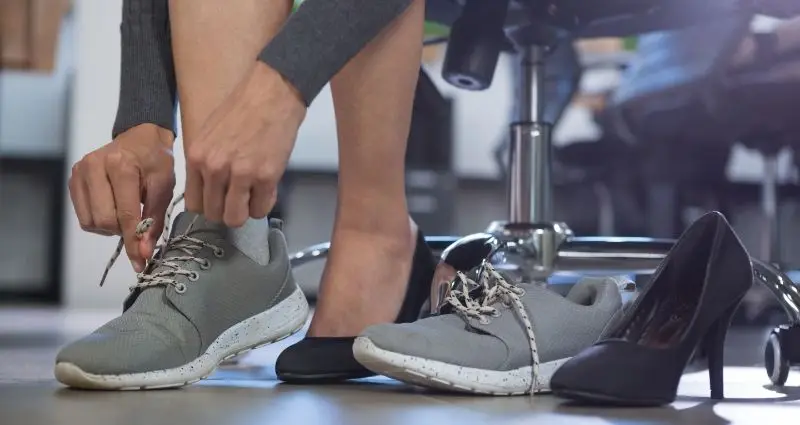
Those who suffer from brachymetatarsia should always opt for shoes with good cushioning . This ensures greater impact absorption and reduces pressure on the shorter metatarsals.
Proper arch support is essential because it helps distribute body weight more evenly, preventing the entire load from falling on the smaller metatarsals. Shoes with custom orthopedic insoles or insoles that mold to the shape of the foot are ideal.
Breathable and flexible material
The material of your shoes should definitely not be underestimated . Choosing footwear made from breathable materials , such as mesh or canvas, ensures adequate ventilation for your feet. This prevents the onset of skin problems such as blisters.
Additionally, flexible materials such as soft leather or synthetic fabric blends offer great comfort, allowing the shoe to better adapt to the unique characteristics of the foot without causing unwanted pressure areas.
Width and forefoot space
Another aspect to consider is the width of the shoes and the width of the forefoot. If they are too narrow or have tapered toes, they increase pain and deformity. Shoes with more room in the forefoot allow the toes to splay more comfortably, distributing weight better and reducing irritation.
A Guide to Choosing Custom-Made Shoes

Before choosing the right shoe for brachymetatarsia , it's best to undergo an orthopedic examination . The professional will carefully evaluate the geometry of the foot. A custom-made shoe expert will then take precise measurements and discuss the individual's specific needs with the patient, ensuring the shoe is designed to offer maximum comfort and support.
Benefits of custom-made shoes for brachymetatarsia
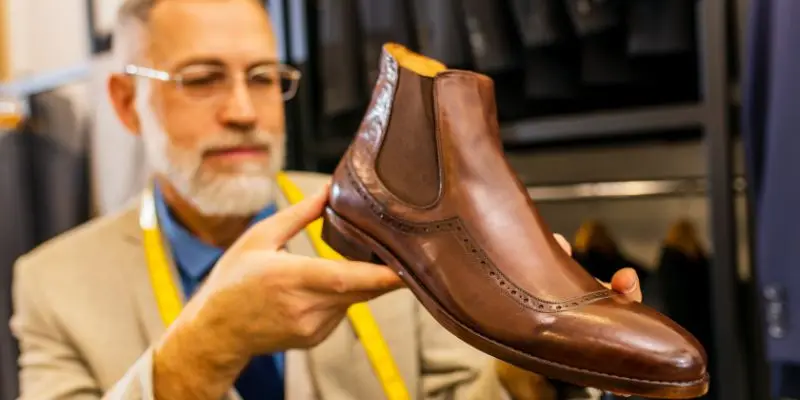
Let's see what advantages custom-made shoes for brachymetatarsia offer :
- Perfect adaptability: the shoes adapt to the shape of the foot, ensuring balanced pressure distribution.
- Personalized comfort: must be produced taking into account individual needs.
- Prevention of further problems: reduce the risk of developing other podiatric complications related to brachymetatarsia.
Investing in custom-made shoes means managing your condition in the best possible way. This translates into significant benefits for your quality of life.
Ideal shoe models for brachymetatarsia

Sneakers , which have a thick, shock-absorbing sole , are a real boon for those with brachymetatarsalgia . This footwear distributes weight better across the entire foot, reducing pressure on the shorter metatarsals. Look for models with a memory foam or gel midsole , as they adapt to the shape of the foot. Even better, they have flexible uppers that don't force the foot into an unnatural position.
Shoes with an anatomical footbed , on the other hand, offer correct support for feet affected by brachymetatarsal deformity . They are often custom-made and have specific arch support, which helps balance alignment and reduce pain. Many models have extra cushioning in the heel and forefoot, which is essential for relieving pressure while walking.
Finally , sandals are very comfortable during the summer. However, they must be chosen with great care by those suffering from brachymetatarsia . Sandals with good coverage and support in the forefoot are highly recommended. The straps should be wide enough to avoid constricting the metatarsals. Some models also have specialized insoles or integrated pads , which help better distribute the load across the different parts of the foot.