
Burning pain in the left calf: when the symptom tells something more
A burning sensation in the left calf can come from a muscle strain, nerve irritation or a circulation problem. The causes and when to see a doctor.
By Dr. Luigi ManziUpdated on
Do you feel a burning sensation in your left calf , perhaps while walking, climbing stairs, or simply sitting for a while? It's a fairly common symptom, but one that should never be ignored. In some cases, it's simply muscle strain; in others, it could be a sign of something more serious.
Understanding where the discomfort comes from is essential to finding the right remedy and, above all, preventing it from getting worse.
Burning or pain? Telling the difference is already a step forward.

Muscle burning is n't always a pain in the true sense of the word. It's an annoying sensation, sometimes intermittent, sometimes persistent, that can radiate down the leg or remain localized. It typically involves the left calf muscle, but can also be caused by nerve , vascular , or joint problems.
Possible causes: a network of factors to evaluate

There are many causes of burning calf pain. The most common include:
- muscular causes, such as contractures, strains, cramps or inflammation of the Achilles tendon;
- vascular causes, such as venous insufficiency or, in the most serious cases, deep vein thrombosis;
- neurological causes, linked to sciatica, peripheral neuropathies or diabetes;
- osteoarticular causes, such as osteoarthritis, stress fractures of the fibula or knee problems;
- systemic causes, including dehydration, vitamin deficiencies, or fibromyalgia.
What symptoms should be observed?

In addition to burning, you may notice swelling, muscle weakness, redness , difficulty walking, or localized pain . Sometimes, the leg feels "heavy" or "stiff," especially after physical activity or prolonged immobility.
How to get to the diagnosis

The doctor always begins with a thorough examination and the patient's medical history. Based on the findings, he or she may recommend instrumental tests:
- muscle or vascular ultrasound to evaluate tissue and blood flow;
- magnetic resonance, if deep lesions are suspected;
- blood tests, to check for inflammation or nutritional deficiencies;
- in suspected cases, also angiography o electromyography to investigate vascular or nervous problems.
Treatments: Not all cases are the same
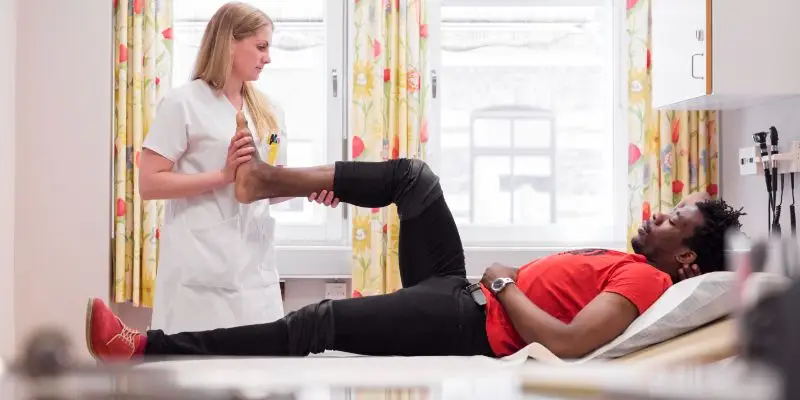
Once the cause is identified, treatment can vary greatly. In mild cases, rest, ice, and anti-inflammatory drugs are often sufficient. However, if the condition is related to vascular or neurological conditions, a more targeted approach is needed, which may include:
- personalized physiotherapy,
- postural correction,
- orthopedic footwear,
- in some cases, surgeries.
The SmartHallux team , led by Dr. Luigi Manzi , specializes in the diagnosis and treatment of complex foot and ankle pathologies, but can also intervene on musculoskeletal problems related to the calf, especially those related to walking.
How can it be prevented?

Prevention starts with small daily habits :
- stretching before physical activity,
- wear appropriate, well-cushioned shoes,
- maintain good hydration,
- follow a balanced diet,
- avoid excess weight,
- monitor blood circulation, especially if you have a family history of venous problems.
SmartHallux: When to See a Doctor

Don't wait too long. If the burning sensation persists for more than a few days, if swelling or severe pain occurs , or if you have difficulty walking, it's time to see a specialist.
Dr. Luigi Manzi , with the SmartHallux team, offers an integrated approach, from diagnosis to therapy, with advanced technologies and particular attention to personalized treatment.
The SmartHallux team treats conditions such as hallux valgus , Morton's neuroma , and other deformities that cause foot and leg pain. Providing comprehensive support throughout the treatment process, SmartHallux can be a winning choice for effective treatment tailored to your needs. Book your specialist consultation with the SmartHallux team now (opens in a new tab).