
Did you have ankle surgery and now feel like something's wrong? Is the stiffness worse than expected? Can't you move it as much as before?
Calm down. Breathe.
A locked ankle after surgery is a situation I see quite often in my practice, and in most cases it resolves well. But it's important to understand what's happening and take the right action.
What normally happens after ankle surgery

So, let's start with the basics. After any ankle surgery—whether for a fracture, ligament problems, or other reasons—your body needs time to heal. That's normal.
The first few weeks are the most delicate. Swelling is constant. Pain, too. And mobility? Well, that's definitely limited at the beginning.
But sometimes your ankle gets stuck longer than it should. What does this mean? Even when it should start moving better, it's still stiff, painful, and prevents you from walking normally.
Why does this happen? There can be several causes, and each requires a specific approach.
The most common causes of joint blockage
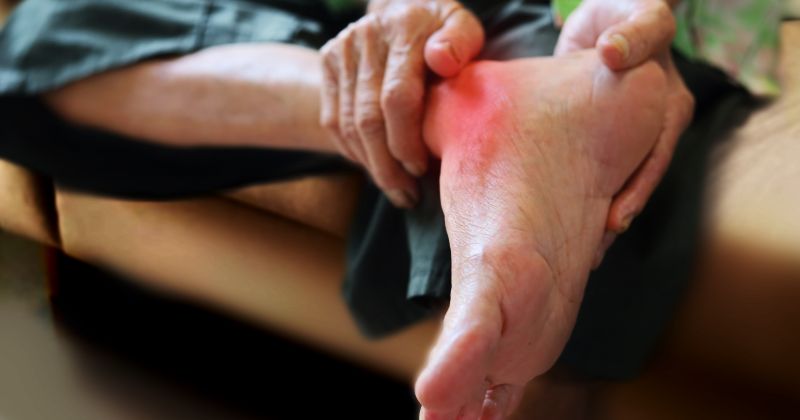
**Adhesions are probably the most common cause.** During healing, the soft tissues around the ankle can become "glued" together. It's a bit like a poorly healing wound—instead of sliding over each other, the tissues stick together and limit movement.
Then there are internal scars. Yes, scars form inside the joint, too, and if they're particularly thick or poorly positioned, they can cause problems.
**Another possibility – more serious but fortunately less common – is infection.** When there is an infection, the body reacts with inflammation and swelling, and this can lead to significant joint stiffness.
I have also seen cases of ankle immobilization after a fracture where the bone fragments were not perfectly aligned, or post-cast situations where prolonged immobilization had created excessive stiffness.
How to recognize if your ankle is “locked”
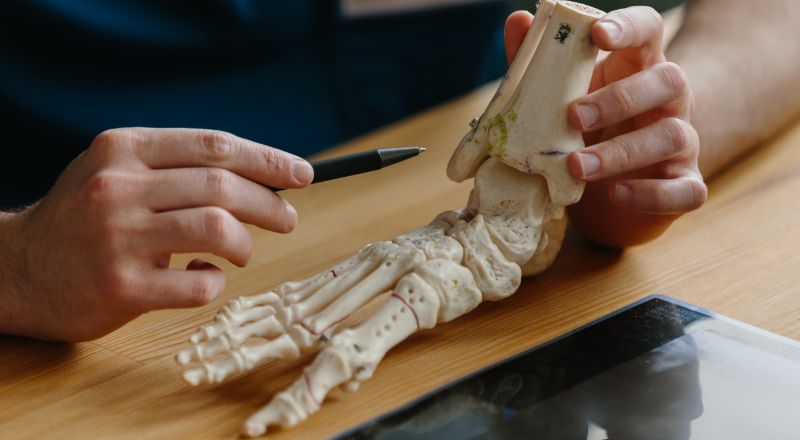
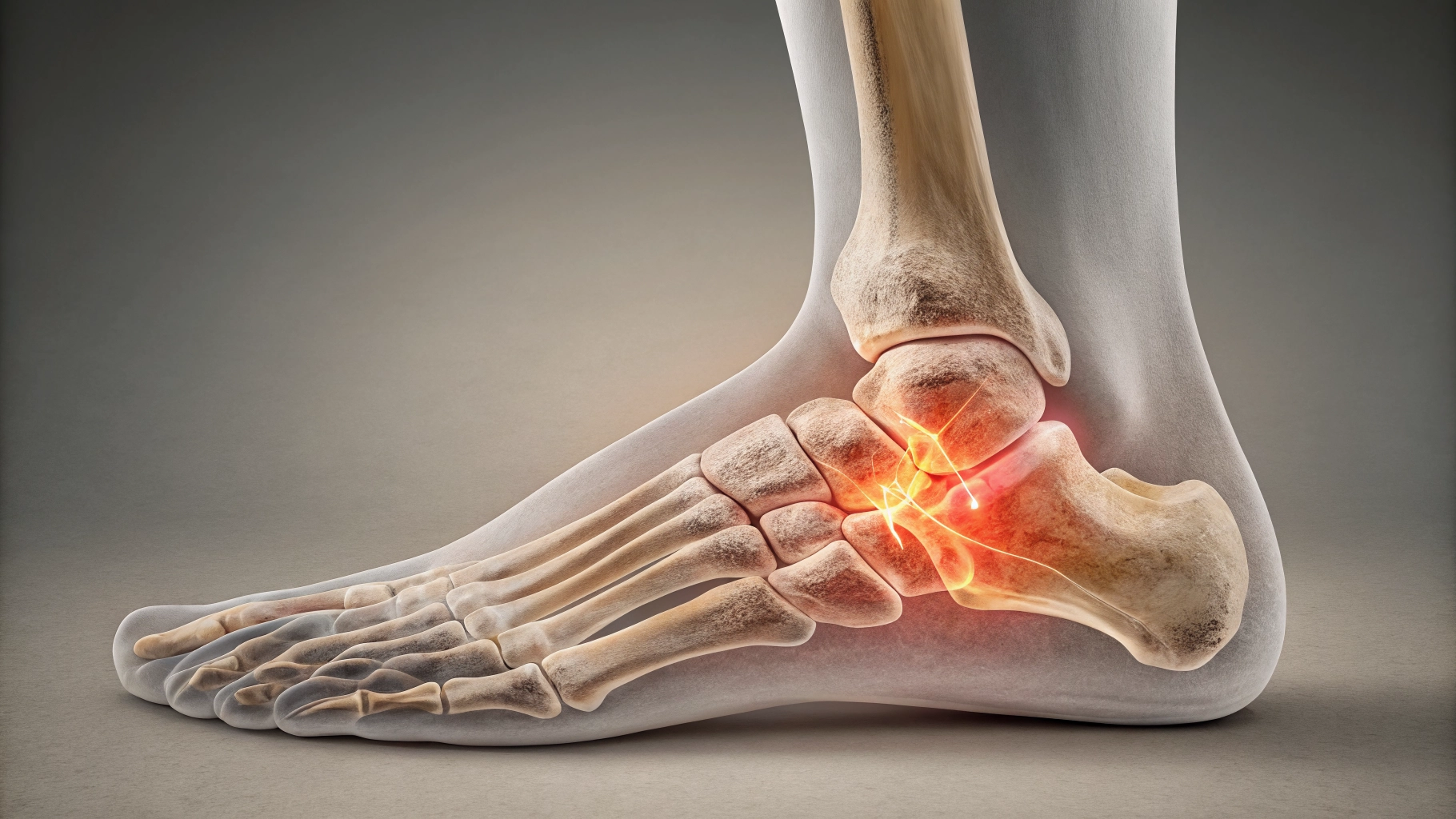
The symptoms are quite clear. **Stiffness, first and foremost.** You can't bend your ankle as you should, especially upward (dorsiflexion). It's a movement we take for granted, but when it's missing, you notice it immediately – try walking or climbing stairs.
Pain is present, but it's often different from "normal" post-operative pain. It's more of a tension, stretching pain that increases when you try to force movement.
Many patients tell me: “Doctor, I feel something pulling, as if there were a tight rope inside my ankle.”
**The swelling may last longer than expected.** And then there's something I often notice during the visit: the ankle feels "warm" to the touch, even weeks after surgery.
One important thing to know? These symptoms are different from normal post-operative sensations. If you have any concerns, it's always best to have a check-up.
How we make the diagnosis

When a patient comes to me with these symptoms, the first thing I do is a physical exam. I look at how they walk, try to move their ankle, and assess the swelling and pain.
Then I move on to the images. **An X-ray immediately tells me if there's something wrong with the bone** – perhaps the fixation devices have shifted, or there's been a loss of reduction in the fracture.
But often the X-ray is normal, so I resort to ultrasound. It's a simple test that allows me to see the soft tissues and assess whether there are fluid collections or significant adhesions.
**In more complex cases, an MRI may be necessary.** Especially when I suspect tendon problems or when I want to have a complete picture before deciding on treatment.
Truth be told, diagnosis is also made by listening to the patient. Every story is different, and often the details they share help me understand what went wrong.
Treatment options available
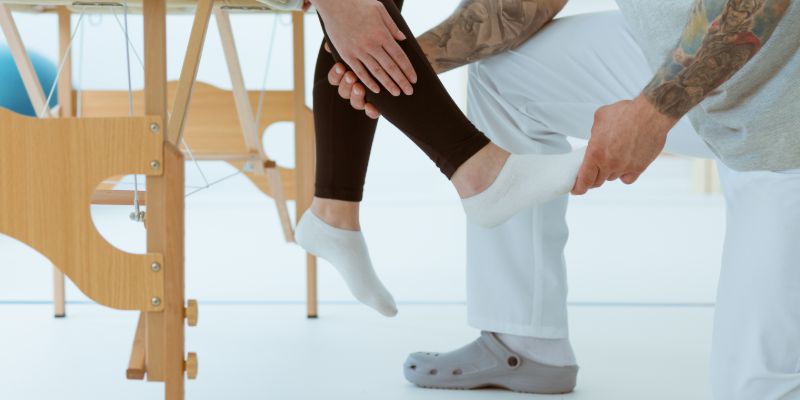
**Physiotherapy is almost always the first approach.** And when I say physiotherapy, I don't just mean exercises. A good physiotherapist uses manual mobilization techniques, instrumental therapy, and above all teaches you exercises specific to your situation.
Drug therapy can help, especially anti-inflammatories to reduce the inflammation that maintains stiffness.
In some cases, I recommend injections. **Cortisone or hyaluronic acid, depending on the situation.** The goal is to reduce local inflammation and "dissolve" adhesions.
But what happens when all this isn't enough? Well, sometimes you have to go back to the operating room. This is what we call "arthrolysis"—I surgically remove the adhesions and free the joint. It's never the first choice, but when necessary, it can make the difference between a functioning ankle and one that remains locked.
Rehabilitation: the most important part

This is a point I insist on a lot with my patients. **Rehabilitation doesn't start when the pain ends – it starts immediately, as soon as it's safe to move the ankle.**
Gentle mobilization exercises are essential. Even those that seem trivial—rolling the ankle, curling the toes—actually serve to keep the tissues loose and prevent adhesions.
Muscle strengthening comes later, once movement has returned. But it's equally important—a weak ankle is an ankle that's prone to reinjury.
**One thing I always repeat:** Follow your physical therapist's instructions, but also listen to your body. "Good" pain (the kind you get from stretching) is different from "bad" pain (the kind that tells you to stop).
What to expect from recovery

Be patient. I know it's easy to say and hard to do, but recovering from a sprained ankle takes time.
**On average, with physical therapy, significant improvements are seen after 4-6 weeks.** But every case is different. I have patients who recover in 3 weeks and others who take 3 months.
The important thing is that the trend is positive – every week you should notice some improvement, even if small.
Some people never regain 100% of their pre-injury mobility. This is a reality we must accept. But in most cases, more than satisfactory functionality is achieved for daily activities and sports.
SmartHallux: Where we can help you

Here at SmartHallux, we specialize in foot and ankle surgery. Dr. Luigi Manzi, who has extensive experience in this field, provides each patient with a personalized treatment plan using the most modern techniques.
We have developed specific rehabilitation protocols for each type of intervention, and we work closely with specialized physiotherapists.
The SmartHallux team treats conditions such as hallux valgus , Morton's neuroma , and other deformities that cause foot pain. Providing comprehensive support throughout the treatment process, SmartHallux can be a winning choice for effective treatment tailored to your needs. Book your specialist consultation with the SmartHallux team now.
Questions you often ask me
Doctor, is it normal for my ankle to still be so stiff two months after surgery?
It depends on the type of surgery and how the healing is going. After a complex fracture or major surgery, two months may still be too short. But if progress has completely stopped, a more thorough evaluation is warranted.
How long does it take to fully recover from ankle surgery?
This is the question everyone asks me, and my answer is always: it depends. The type of surgery, your age, your physical condition, how good you are at exercising—everything affects the recovery time. Generally, we're talking 6-12 weeks for a satisfactory recovery, but it can take up to 6 months for a full recovery.
How do I know if I'm making progress or if I'm stuck?
Keep a movement journal. Every week, try to bend your ankle and note how far you can go. If there's no improvement for two consecutive weeks, it's time to reassess your rehabilitation program.