
Cold Right Foot: When to Worry and What to Do
A cold right foot while the other feels normal can point to poor circulation or a nerve problem. The causes, the warning signs and when to see a doctor.
By Dr. Luigi ManziUpdated on
Have you ever had a cold right foot while the other one feels normal? It's an annoying sensation.
I know this because in my office I often hear patients say, "Doctor, my right foot is always cold, even when I'm at home with the heating on." And every time I hear this, I know we need to get to the bottom of the matter.
Because, you see, a cold foot alone—especially if it's always the same—is never "just" a matter of ambient temperature. There's always something underlying that deserves attention.
When the foot “decides” to get cold
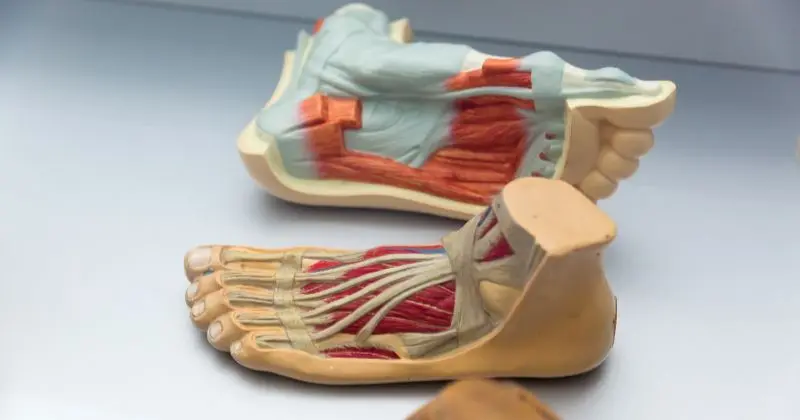
Cold feet are a sign. Like smoke indicating fire, our body is telling us that something in our circulatory or nervous systems isn't working as it should.
Now, why the right one? There's no hard and fast rule, but it often depends on where the problem is located. It could be a matter of posture (if you spend a lot of time sitting with your legs crossed in the same position), compression of a blood vessel, or localized neurological issues.
The other day, a 60-year-old woman came to see me. She told me her right foot had been cold for months, especially in the evenings when watching TV. "I thought it was my age," she said. It was actually a circulatory problem, which we resolved fairly easily.
The most common causes I see in the office
When I see a patient with a cold foot, the first thing I look at is circulation. Vascular problems are the most common. Atherosclerosis, for example—the plaque that forms in the arteries and restricts blood flow—can affect one side more easily than the other.
Then there are vasospasms. Think about when you're cold and your capillaries constrict to conserve heat. Well, sometimes this mechanism gets stuck and stays active even when it shouldn't.
Thrombosis is more serious. If a clot blocks blood flow, the foot becomes cold and often pale or bluish. In these cases, it's no joke—immediate action is needed.
But it's not just the blood vessels that are the problem. Peripheral neuropathy—when the nerves in the legs aren't working properly—can cause a feeling of cold. It's common in diabetics, but it can also occur for other reasons.
I've had patients with tarsal tunnel syndrome (similar to carpal tunnel syndrome, but in the foot) who complained of cold and tingling. Or thyroid problems that slowed down the entire metabolism, including peripheral circulation.
Cold big toe is often part of the same general cold foot picture.
Signs You Shouldn't Ignore

A cold alone is already a warning sign. But when it's accompanied by other symptoms, it becomes even more important not to underestimate it.
If your right foot is not only cold but also numb, if you experience tingling or that “pins and needles” sensation, if you notice that your skin is changing color (paler or bluish), then it's time to see a doctor.
Some patients tell me they have difficulty moving their toes or feel weak when walking. Others notice that even a small cut or scrape on their cold foot heals very slowly.
These are all signs that the foot is not getting enough blood or that the nerves are not working as they should.
How do I make the diagnosis in the office?

When you come into my office with this problem, the first thing I do is look at your feet. I touch them, check the temperature, and check the color of your skin and nails.
Then I'll ask you for your complete history. How long have you had this problem? Does it get worse in certain positions? Do you smoke? Do you have diabetes or thyroid problems? Are you taking medications that could affect circulation?
A physical examination is crucial. I check the pulses of the arteries in the foot—these are specific points where I can feel if the blood is flowing properly. If I can't feel the pulses properly, I already have an important clue.
Sometimes more in-depth tests are needed. A vascular ultrasound allows me to see exactly how blood flows through the arteries and veins. If I suspect neurological problems, I may request an electromyography (EMG) to check how the nerves are functioning.
Solutions that really work

Treatment always depends on the cause, of course. If the problem is circulatory, we can focus on medications that improve blood flow. Some patients benefit from vasodilators or antiplatelet drugs.
For those with clotting problems, there are specific therapies your doctor can prescribe. Never do it yourself in these cases—anticoagulant medications must be managed with great care.
Physiotherapy helps a lot. Specific exercises to improve circulation, massage, and mobilization techniques can make a difference. I've seen patients improve significantly with just a well-structured exercise program.
In the most severe cases, when there's a significant arterial blockage, vascular surgery may be considered. But I assure you, we only get to this point when other options fail.
What you can do every day

There are many small things you can do to improve circulation in your feet. Get regular exercise—even just getting up and walking for a few minutes every hour is beneficial.
If you smoke, my number one piece of advice is to quit. Smoking is the number one enemy of peripheral circulation. I've seen it all too often: patients who quit smoking see their cold foot problem improve within a few weeks.
Choose comfortable shoes that don't compress your feet. Avoid staying in the same position for too long—if you work at a desk, move your feet under it every now and then.
Weight control helps, as does keeping diabetes, high blood pressure, and cholesterol under control if you have them.
SmartHallux: Where we can help you

Dr. Luigi Manzi, who has gained specific experience in this field, follows each patient with a personalized path using the most modern techniques.
The SmartHallux team treats conditions such as hallux valgus , Morton's neuroma , and other deformities that cause foot pain. Providing comprehensive support throughout the treatment process, SmartHallux can be a winning choice for effective treatment tailored to your needs. Book your specialist consultation with the SmartHallux team now (opens in a new tab).
For a problem like cold feet, we perform a comprehensive assessment to identify the exact cause and establish the most appropriate treatment.
FAQ
Doctor, why is my right foot cold while my left one isn't?
There's no hard and fast rule, but it often depends on where the circulatory or nervous system problem is located. It could be related to posture, localized vascular compression, or specific problems on one side.
Is it normal for cold feet to also become pale?
No, this isn't normal. When your foot is both cold and pale, it means it's not getting enough blood. This is an important sign that shouldn't be ignored.
Can I warm my foot with very hot water?
Caution! If your foot has circulatory or sensitivity problems, you may not notice if the water is too hot and risk burns. Always use lukewarm water and check the temperature with your hand.
Are heated socks okay?
They may help temporarily, but they don't solve the underlying problem. It's better to identify and treat the cause rather than simply mask the symptom.