
Do you look at your feet and see that your big toe is "curving" toward the other toes? Maybe you already have that annoying bump on the side of your foot that hurts when you wear certain shoes.
So, we're probably talking about bunions. You're not alone—I see this problem practically every day in my office. The good news? Surgery isn't always necessary. In fact, we can often do a lot with what we call conservative treatment for bunions.
But first things first.
What exactly is hallux valgus?
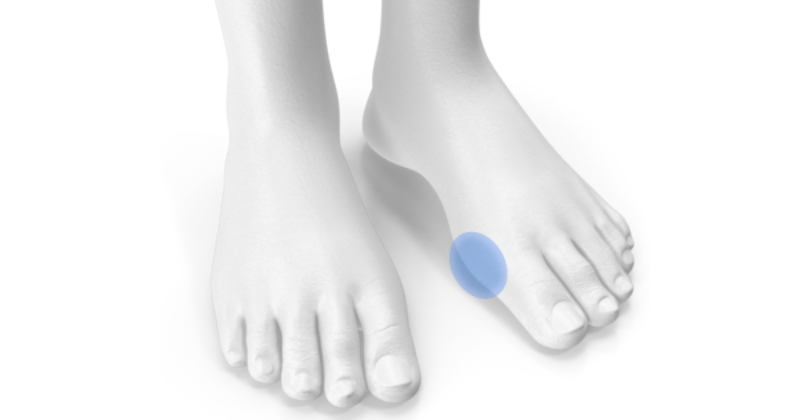
Hallux valgus (or bunion, as we commonly call it) is a deformity that causes the big toe to lean toward the other toes. Imagine your big toe deciding to "make friends" with your second toe, leaning ever closer to it.
This movement creates that famous "spring onion"—the bony protrusion on the inside of the foot that everyone is familiar with. Technically, it's a deviation of the metatarsophalangeal joint. But what matters to you is that it hurts and makes it difficult to find comfortable shoes.
Hallux valgus isn't just a cosmetic issue; on the contrary, the metatarsal pain that often accompanies this condition can seriously limit your daily activities. Walking, running, and even standing for extended periods of time becomes a problem.
Why does it happen?

There are many causes. First of all, there's often a family predisposition—if your mother or grandmother had this problem, the chances of you developing it also increase significantly.
Then there's the inappropriate footwear. I know, I know—everyone talks about high heels. But those aren't the only problem. Shoes that are too tight, with a pointy toe, or simply not suited to the shape of your foot can contribute to hallux valgus.
After all, think about how many hours a day you spend wearing shoes that may not be perfect. Your foot adapts, but sometimes it does so incorrectly.
There are also factors such as age (joints change over time), body weight, and certain work activities that put extra strain on the foot. In short, it's a combination of factors that often add up.
The symptoms you need to recognize
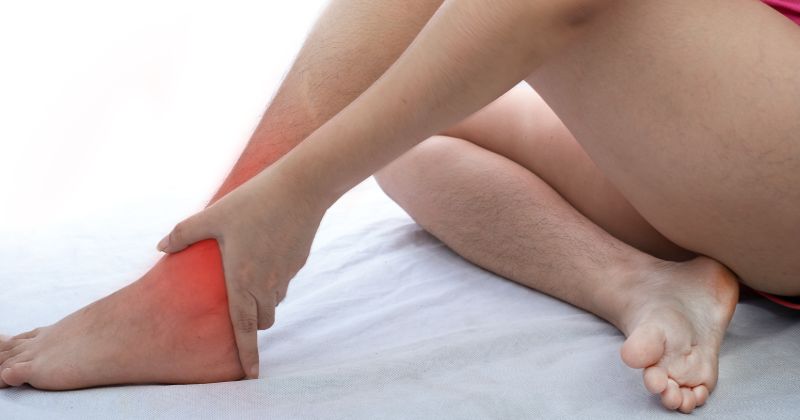
The first sign is usually pain. Not always at the beginning, but as the deformity progresses, the "onion" area begins to hurt, especially when wearing closed shoes.
Many patients tell me, "Doctor, I can't wait to take off my shoes in the evening." That's a warning sign. Others tell me they've developed calluses or corns in strange places on their feet—it's the foot trying to adapt to the new biomechanics.
Sometimes, overlapping toes also occur. The second toe, "pushed" by the big toe, can lift and cause other problems. Metatarsalgia (pain under the ball of the foot) is another common symptom I often see associated with it.
How do I diagnose?
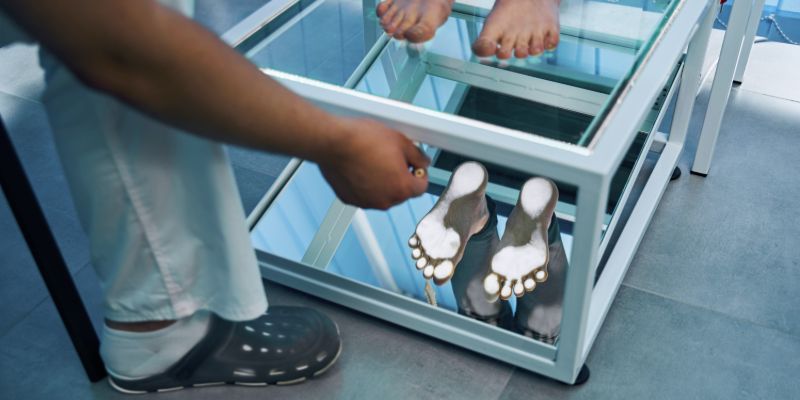
When you come to my office, the first thing I do is watch you walk. Yes, exactly. How you place your foot, how you distribute your weight, whether you have a slight limp—everything tells me something.
Then I examine the foot. I check the degree of deformity, whether the big toe is still mobile or has become stiff, and how pronounced the bony protrusion is. I press on certain points to determine where the pain is most felt.
An X-ray is often needed, too. Not because I can't see the deformity with the naked eye, but because I need to understand what's happening to your bones and joints. I need it to decide which treatment approach is best for you.
Conservative treatment options
Here comes the interesting part. Not all bunions require surgery. In fact, we treat many of them very well without a scalpel.
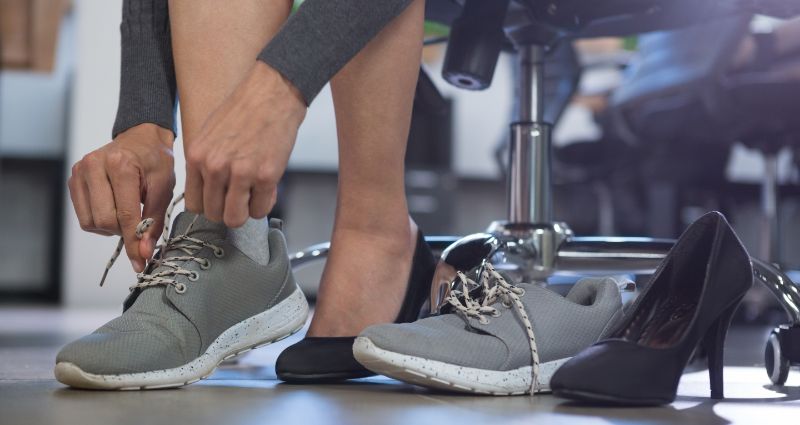
**The right footwear** is the first step. And no, you don't have to wear only "grandma" shoes. Today, elegant shoes with a wide toe, flexible sole, and a moderate heel are available. The golden rule? Your foot should be comfortable in the shoe, not forced into it.
**Bunion insoles** can make a difference. Not the ones you buy at the store, I mean custom-made insoles that are made specifically for your foot. They help redistribute loads and often significantly reduce pain.
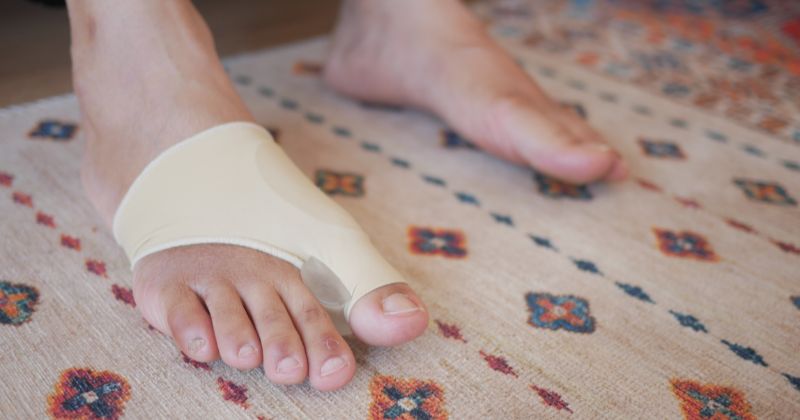
**Bunion orthotics** – those braces you wear at night or during the day – can slow the progression of the deformity. They don't magically straighten the big toe, it should be noted, but in many cases they help manage the symptoms.
As for medications, we primarily use anti-inflammatories during acute painful episodes. This isn't a long-term therapy, but it can provide relief during the worst moments. We rarely resort to injections—only in selected cases.
Physiotherapy plays an important role, especially in maintaining joint mobility and strengthening foot muscles. Some specific exercises can really help.
When conservatives aren't enough

I have to be honest with you. Conservative treatment works well to manage symptoms and slow progression, but it doesn't "cure" bunions. If the deformity is severe, if the pain persists despite everything we've tried, or if foot function is compromised, then surgery should be considered.
But it's a decision we make together, after trying everything that can be done without surgery.
Prevention is better than cure
As always in medicine, prevention is better than cure. Choose comfortable shoes from a young age. Exercise to keep your feet in shape—even just walking barefoot around the house every now and then helps.
If you have a history of bunions, check your feet regularly. The earlier we identify the problem, the more options we have to manage it.
SmartHallux: Where we can help you

Here at SmartHallux, we specialize in foot and ankle surgery. Dr. Luigi Manzi, who has extensive experience in this field, provides each patient with a personalized treatment plan using the most modern techniques.
The SmartHallux team treats conditions such as hallux valgus , Morton's neuroma , and other deformities that cause foot pain. Providing comprehensive support throughout the treatment process, SmartHallux can be a winning choice for effective treatment tailored to your needs. Book your specialist consultation with the SmartHallux team now.
Questions you often ask me
Can conservative treatment really avoid surgery?
In many cases, yes. It depends on the degree of deformity and your symptoms. The important thing is not to wait for the situation to get too worse. The sooner we start, the better.
How long does it take to see improvements?
It's not a magic wand. With insoles and appropriate footwear, many patients begin to feel better after a few weeks. But it's a process, not an immediate result.
Do night guards really help?
They can be helpful, especially in the initial stages. Don't expect miracles, but many patients report benefits. The important thing is to use them consistently.