
Crossing Toes: What Happens When They Overlap
Crossing or overlapping toes cause pain, calluses and trouble finding shoes that fit. Why toes overlap, from bunions to hammer toes, and how it is treated.
By Dr. Luigi ManziUpdated on
Have you ever looked at your feet and noticed that your toes seem to overlap? Maybe you thought it was just a cosmetic issue. In reality, what you see is often much more.
Crossed toes—or, as we doctors call them, toe overlap—is a condition I see practically every day in my office. And it's not just a matter of "bad feet." It can become truly annoying. Patients tell me about pain, difficulty finding shoes that fit well, and calluses that continually form. "Doctor, I can't wear heels anymore," a woman told me last week.
But why does this happen? And most importantly, what can we do?
When your fingers don't stay in place

Let's take a look at what it really means to have crossed toes. Normally, our toes should be nicely aligned, each in its own space. But sometimes—for various reasons we'll see—some toes start to shift, overlapping their neighbors.
The most common case? The second toe that "jumps over" the big toe. Or the fourth toe that ends up on top of the third. It may seem trivial, but think about it: every time you walk, those squashed toes are subjected to abnormal pressure. It's as if you always had to keep one finger bent while you write. Sooner or later, it's going to hurt, right?
What many people don't know is that this toe deformity is often just the tip of the iceberg. Behind it, there may be more complex foot problems involving bones, tendons, and ligaments.
The causes: why is it happening to me?

"Doctor, why me?" It's one of the questions I hear most often. After all, it's normal to wonder why your fingers are acting up.
Genetics plays a major role. If your mother or father had this problem, the chances of it happening to you are significantly higher. It's like having blue eyes: sometimes it's simply in the DNA. I've seen entire families with the same foot shape, the same crooked toes.
But it's not just a matter of genes. Shoes—alas—have a huge responsibility. Those that are too tight, with a pointed toe, or with exaggerated heels… force your toes into unnatural positions for hours. It's a bit like putting your feet in a vice. Sooner or later, something gives in.
Stiff toes can also be the result of certain medical conditions. Rheumatoid arthritis, for example, can cause inflammation that leads to deformities. Certain neurological problems can also alter the foot's muscle balance, creating imbalances that ultimately lead to overlapping toes.
A foot injury—perhaps a toe broken years ago and never properly treated—can be the start of everything. The toe heals in the wrong position and slowly drags the others down with it.
Symptoms: when the problem becomes apparent
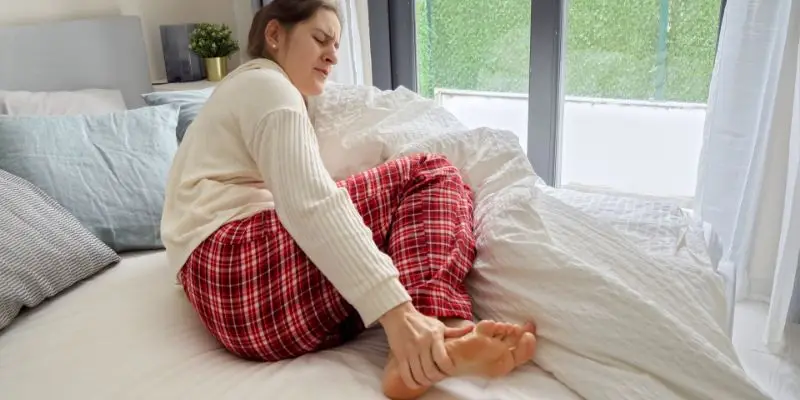
At first, you might not even notice. A little discomfort, a few calluses appearing. "Oh well," you think. But then the symptoms get worse.
Pain is often the first warning sign. It's not a sharp pain at first, but more of a constant discomfort, especially when wearing closed shoes. My patients describe it as a sensation of "squeezed toes," of constant pressure.
Calluses and blisters are practically inevitable. Crossed toes rub against the shoe, against each other. The skin defends itself by thickening, but it's a losing battle.
Walking can become a problem. It's not that you become lame, but the foot loses some of its functionality. It's less stable, less efficient. Some people also develop pain in other parts of the foot, or even in the back, because they unconsciously change the way they walk to avoid the discomfort.
And then there's the aesthetic aspect. I know it may seem superficial, but it's not at all. Many patients come to me saying they can no longer wear open sandals, that they're ashamed of their feet. Psychological well-being is as important as physical well-being.
How do I figure out what exactly you have?

When a patient comes to me with this problem, the first thing I do is... look. It seems obvious, but a physical examination tells us a lot. I observe how the fingers appear, what position they're in, and whether there's any residual flexibility.
Then I ask them to walk. The way they place their foot, how they distribute their weight, tells me a lot about the severity of the situation. Sometimes I'll have them try to straighten their toes manually: if I can do it without too much resistance, we're still in a manageable stage.
X-rays are often necessary. They allow me to see what's happening to the bones, whether there are structural deformations, or whether the joint is compromised. It's a simple but crucial test for deciding the best therapeutic approach.
In special cases, I may request further tests – perhaps an ultrasound to check the condition of the soft tissues, or blood tests if I suspect rheumatic problems.
Treatment options: what can we do?
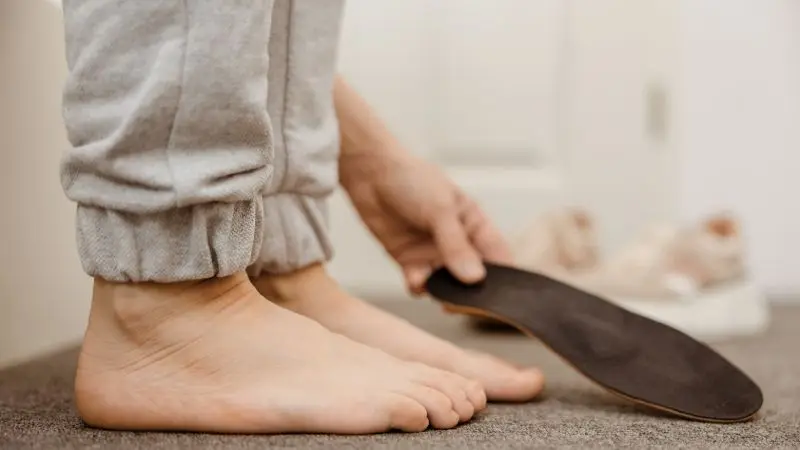
The good news is that there's a lot we can do, although it always depends on how advanced the problem is. Not all cases require surgery—in fact, the situation can often be improved with less invasive approaches.
Custom-made insoles can work wonders in the initial stages. I'm not talking about the generic insoles you find at the pharmacy, but orthotics made specifically for your foot. They help redistribute loads and keep your toes in the correct position.
The right shoes are essential. I know, it seems trivial, but most people wear the wrong shoes. Wide toe, moderate heel, soft materials. Sometimes this is enough to stop the progression of the problem.
There are also small aids – toe separators, protective pads, corrective bandages – that can provide relief and slow the progression of the deformity.
When the problem is more advanced, when the deformity is rigid and the pain persists, then we must consider surgery. It's not something I suggest lightly, but sometimes it's the only solution to restore function and comfort to the foot.
Exercises that (really) help
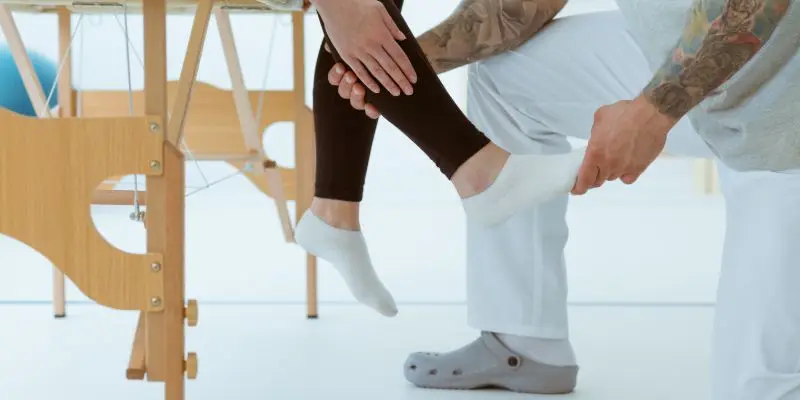
I know many patients ask me if there's anything they can do at home to improve the situation. The answer is yes, there are exercises that can help, especially in the initial stages.
Picking up balls or towels with your toes is a classic. It helps maintain mobility and strengthen the small muscles of the foot. Stretching your toes, trying to separate and lengthen them, can also be helpful.
Walking barefoot on different surfaces—sand, grass, textured mats—stimulates proprioception and helps the foot “remember” its natural function.
But be careful: exercises alone won't work miracles if the problem is structural. They're a support, not a definitive cure.
SmartHallux: Where we can help you

Here at SmartHallux, we specialize in foot and ankle surgery. Dr. Luigi Manzi, who has extensive experience in this field, provides each patient with a personalized treatment plan using the most modern techniques.
Our philosophy? Every foot is different, every story is unique. There are no standard solutions, but rather customized approaches that take into account your needs, your lifestyle, your expectations.
The SmartHallux team treats conditions such as hallux valgus , Morton's neuroma , and other deformities that cause foot pain. Providing comprehensive support throughout the treatment process, SmartHallux can be a winning choice for effective treatment tailored to your needs. Book your specialist consultation with the SmartHallux team now (opens in a new tab).
Questions you often ask me
Doctor, will my crossed fingers definitely get worse over time?
Not necessarily. If we intervene early with the right measures—suitable shoes, insoles, exercises—we can often halt or significantly slow the progression. The problem is when we wait too long and the deformity becomes rigid.
I've heard that toe surgery is very painful. Is this true?
Modern techniques are much less invasive than they once were. There's pain, I can't deny it, but it's manageable with medication and usually lasts a few days. Many patients tell me they should have had the surgery earlier, considering how much their quality of life has improved.
Can I continue to play sports with my fingers crossed?
It depends on the degree of deformation and the type of sport. In many cases, yes, with the right shoes and perhaps specific supports. The important thing is not to ignore the pain—if it hurts, your body is telling you something.