
Deformed foot: when walking becomes a problem
A deformed foot is not just a cosmetic issue: bunions, hammer toes, flat or cavus feet change the way you walk. The causes and how each deformity is treated.
By Dr. Luigi ManziUpdated on
Have you ever looked at your feet and thought, "How could they have gotten like this?" Well, if you're reading this article, you probably have. Or maybe you've started feeling pain when you walk, and you're wondering if something's wrong.
Foot deformity is more common than you think. In my office, I see cases like this practically every day. And guess what? Most people put it off for too long, thinking "it'll go away sooner or later." Spoiler alert: it often doesn't go away on its own.
What it really means to have a deformed foot
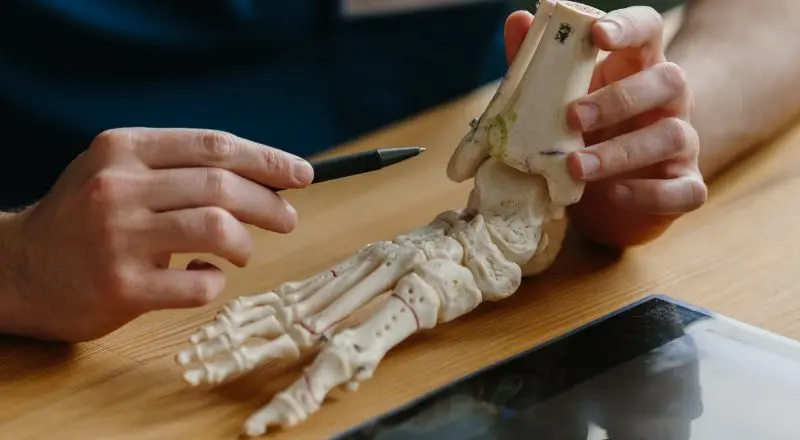
When I discuss deformed feet with my patients, the first thing I say is this: we're not just talking about aesthetics. Of course, appearance matters—it's normal to want feet that look "normal." But the real problem is functional.
A deformed foot is one that has lost its original anatomical shape. It may have occurred at birth or have developed over time. The result? The foot can no longer perform its function as it should.
Think of your foot as a complex architectural structure—bones, muscles, tendons, and ligaments working together to support you and keep you walking. When this structure changes, your entire balance goes haywire.
Why does this happen? There are many causes.

After all, our feet support our entire body weight for years and years. It's a miracle they hold up so well! But let's look at the most common causes of foot deformity.
Some people are born with problems. Clubfoot, for example, or other congenital malformations. This isn't anyone's fault—it's simply how the baby developed in the womb.
Then there are acquired causes, those that develop over time. Hallux valgus is a classic—that annoying bony protrusion that forms at the base of the big toe. It's often caused by the wrong shoes (yes, I'm talking especially about women and high heels), but it's not the only cause. Genetics also plays a role.
Flat feet are another common problem. The arch of the foot flattens, causing the foot to "cave" inward. I've seen children with flat feet whose parents worried about them, and adults who ignored the problem for years until the pain became unbearable.
Hammer toes? Here's another common problem. The toes bend, take on strange shapes, and then it's a real ordeal to find shoes that fit.
Symptoms You Shouldn't Ignore

"Doctor, it hurts when I walk in the morning." This is one of the phrases I hear most often. Pain is the most common symptom, but not the only one.
You may have noticed that your shoes are wearing out unusually, or that one leg gets tired more than the other. Or you've started having back pain for no apparent reason. It's all connected, dear reader. The foot is the foundation of everything, and when that foundation is unstable, the rest suffers as well.
Some patients tell me about night cramps, others about numbness. Some develop calluses and corns in strange places on their feet—the body trying to protect itself from abnormal pressure. And then there are those who simply can't find comfortable shoes anymore. "Doctor, I've tried every store in town!"
How we arrive at the diagnosis

Now, when a patient comes to me for a foot deformity, the first thing I do is look. It may seem trivial, but the clinical eye counts for a lot. I watch how they walk, how they place their feet, how they take off their shoes.
Then I move on to the actual physical exam. I touch and move the joints, checking the flexibility of the foot. "Let me see how you walk normally," I often say. Because the way a person walks tells me a story.
X-rays are almost always necessary. I need them to see the bone structure, determine the severity of the deformity, and plan any necessary interventions. Sometimes I also request an MRI, especially if I suspect soft tissue problems—tendons, ligaments, fascia.
Posture analysis is crucial. I don't just look at the individual foot, but at the entire body, because foot deformity is often linked to broader postural issues.
Treatment options: Not everything requires surgery
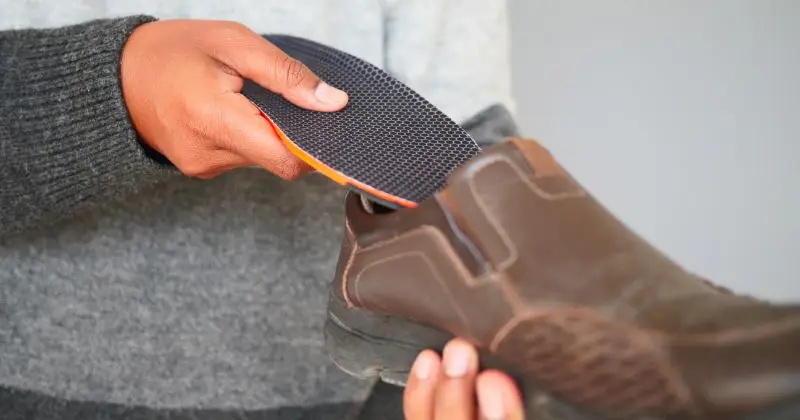
Here's the good news: surgery isn't always necessary. We often achieve excellent results with conservative treatments.
Custom-made insoles are often the first thing I try. A good insole can redistribute pressure, correct foot strike, and relieve pain. We're not talking about the standard insoles you buy at the pharmacy—those rarely really work. I'm talking about custom-made insoles, designed specifically for your foot and your problem.
Physiotherapy is another valuable tool. Specific exercises strengthen the foot muscles, improve flexibility, and correct poor movement patterns. It's a team effort between me, the physiotherapist, and the patient.
However, when the deformity is severe, or when conservative treatments aren't enough, then we need to consider surgery. And here, things have changed a lot in recent years.
Modern surgery: less invasive, more effective
Surgical techniques for foot deformities have evolved dramatically. Today, we can perform minimally invasive procedures, with small incisions, less post-operative pain, and a quicker recovery.
For hallux valgus, for example, we now use percutaneous techniques that allow us to correct the deformity through mini-incisions measuring just a few millimeters. The patient walks immediately after surgery, wearing a special shoe.
Even for hammer toes, we have increasingly less invasive techniques. And when we need to treat more complex deformities, we use modern fixation systems that ensure stability with less discomfort for the patient.
Ankle replacement has become a reality for the most complex cases, when the joint is completely compromised. It's not for everyone, but when indicated, it can truly be life-changing.
Recovery: Realistic Expectations
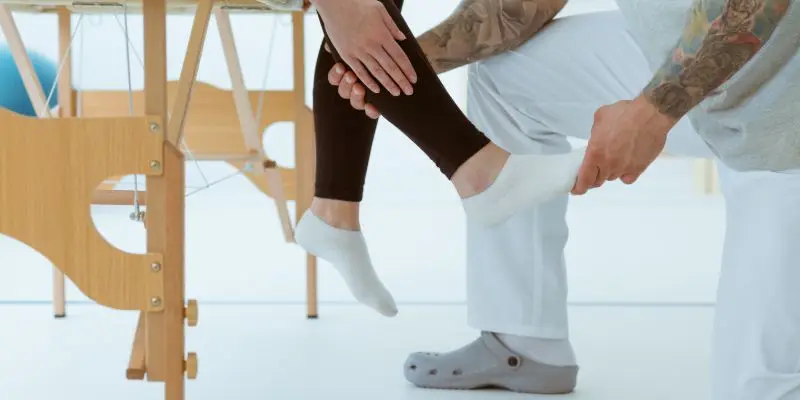
"Doctor, when will I be able to walk normally again?" This is always the question of the million. The answer depends on many factors: the type of deformity, the surgery we performed, your age, your general condition.
I usually see patients start to feel better within the first few weeks after surgery. Pain gradually decreases, and function improves. However, it often takes several months to see the final results.
Rehabilitation is essential. It's not enough to operate well—you also need to recover well. Physical therapy, home exercises, regular checkups. It's a journey we undertake together.
Prevention: better safe than sorry
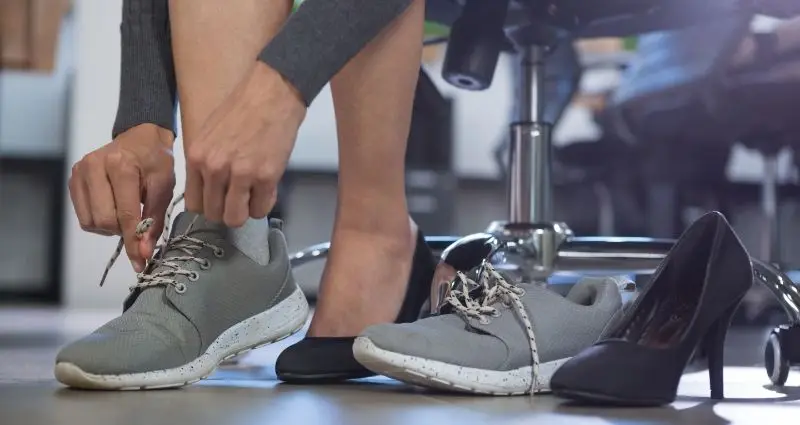
Now, I always tell my patients this: many foot deformities can be prevented, or at least slowed down. How?
First: the right shoes. I know, I know, heels are beautiful. But if you wear them every day, every day, for years, your feet will suffer. Try alternating them with more comfortable shoes.
Second: keep your feet fit. Yes, even your feet need exercise. Do mobility exercises, stretches, and go barefoot whenever possible.
Third: Don't ignore the first symptoms. If you start to feel pain, or if you notice your foot changing shape, don't wait. The sooner we intervene, the better the results.
SmartHallux: Where we can help you

Dr. Luigi Manzi, who has gained specific experience in this field, follows each patient with a personalized path using the most modern techniques.
The SmartHallux team treats conditions such as hallux valgus , Morton's neuroma , and other deformities that cause foot pain. Providing comprehensive support throughout the treatment process, SmartHallux can be a winning choice for effective treatment tailored to your needs. Book your specialist consultation with the SmartHallux team now (opens in a new tab).
Our philosophy is simple: quality, innovation, accessibility. We want everyone to have access to the best foot care, without compromise.
FAQ
Doctor, will my deformed foot definitely get worse?
Not necessarily. It depends on the type of deformity and how we manage it. With the right treatments, we can often stabilize the situation and improve symptoms.
Is the operation for a deformed foot very painful?
Modern techniques are much less painful than they once were. We use long-lasting local anesthetics, pain-relieving medications, and minimally invasive techniques. Most patients tell me it was less traumatic than they expected.
Can I operate on both feet at the same time?
It depends on the case. Sometimes, yes, especially for less invasive procedures. Other times, it's best to take one step at a time. We'll evaluate it together on a case-by-case basis.