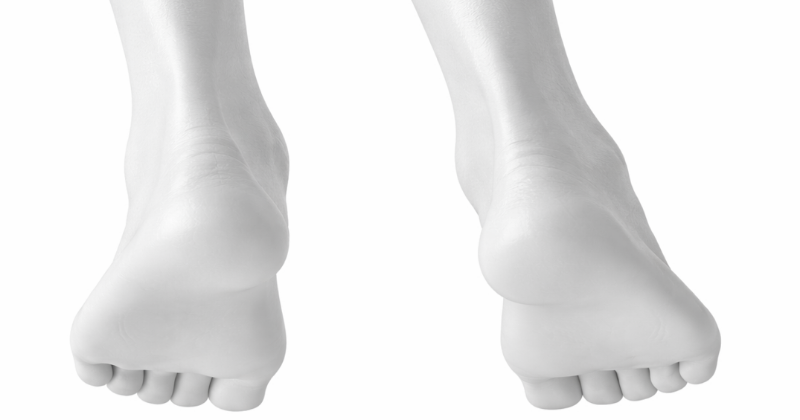
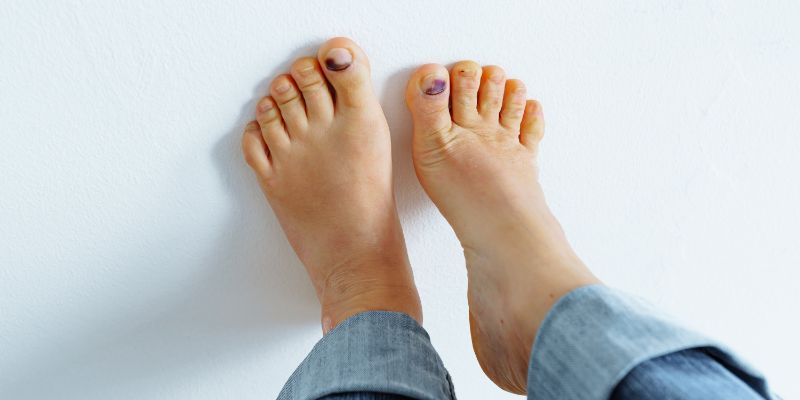
La brachymetatarsia It is a pathology that affects the foot, in particular the metatarsals that may result shorter than normal, in this article we will see how the diagnosis of Brachymetatarsia is made
Metatarsal imbalance causes several structural and functional problems. pain , difficulty walking, in fact, make this pathology debilitating, lowering the quality of life of those afflicted by it.
Let's delve deeper into this debilitating disease and discover How is brachymetatarsia treated? to regain your health.
What is Brachymetatarsia?
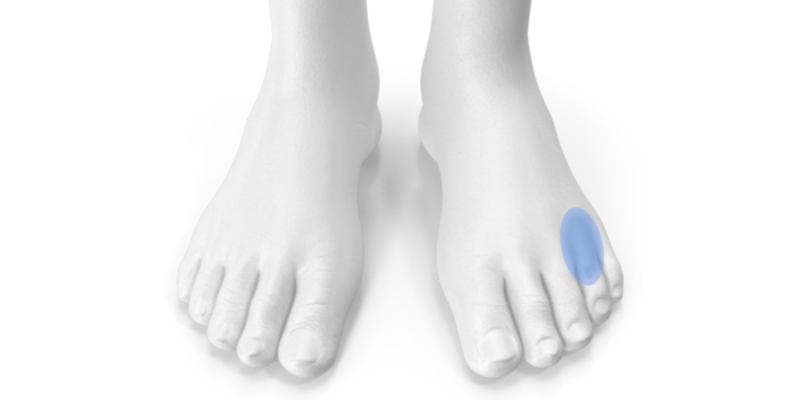
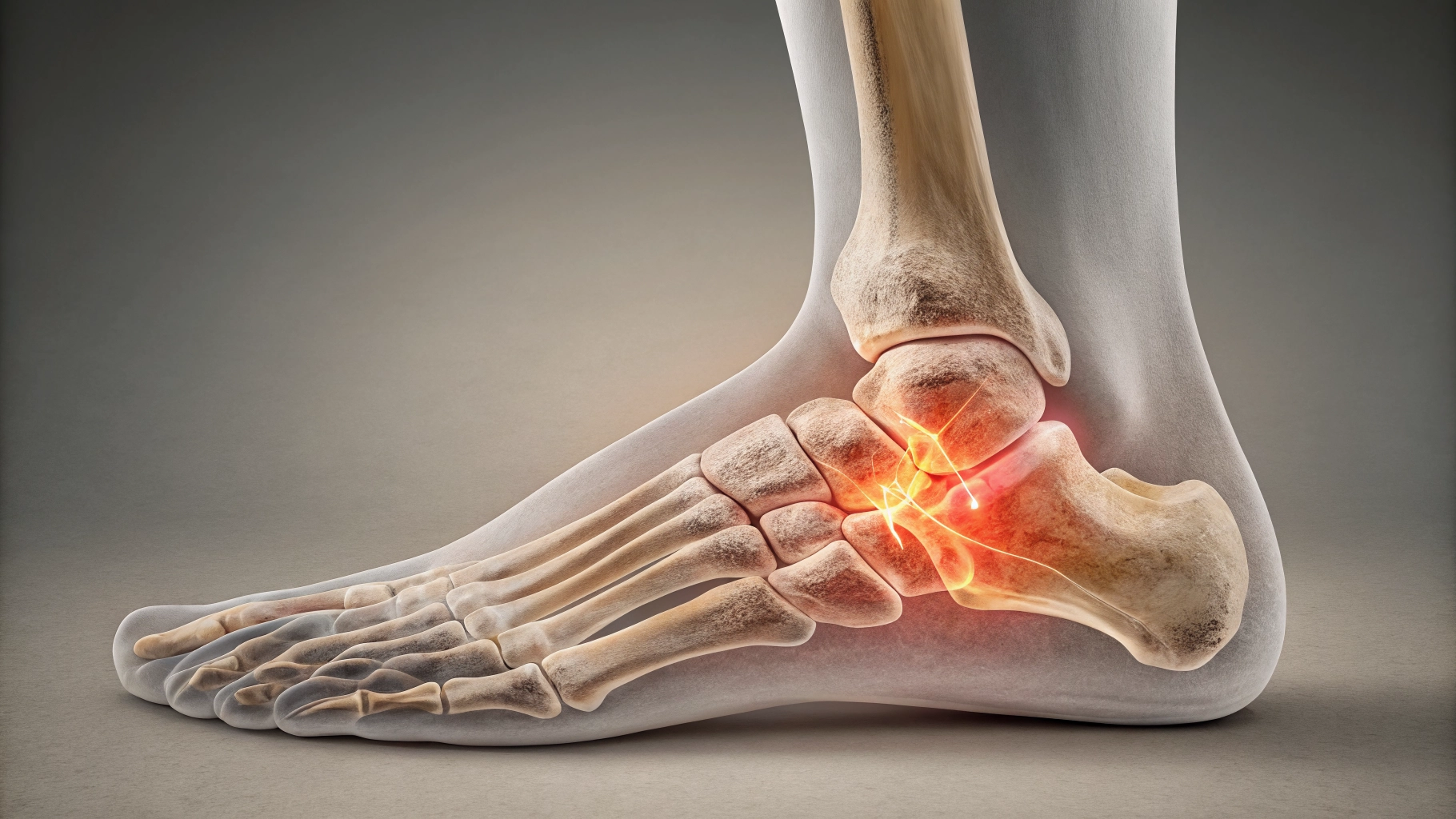
When one or more metatarsals of the foot are shorter, and therefore we find ourselves in an anomalous condition of imbalance, we are faced with the brachymetatarsia.
It must be said that usually the the metatarsal most affected by brachymetatarsia is the fourth; this does not mean that the other metatarsals are immune from being affected.
This foot condition can be caused by early closing, during the development phase, of the growth plate of the affected metatarsal(s).
Not only a problem of growth and development, but also congenital or acquired causes can lead to the development of brachymetatarsia. genetic predisposition o injuries and traumas, therefore, contribute to increasing the probability of suffering from brachymetatarsia.
Symptoms of Brachymetatarsia
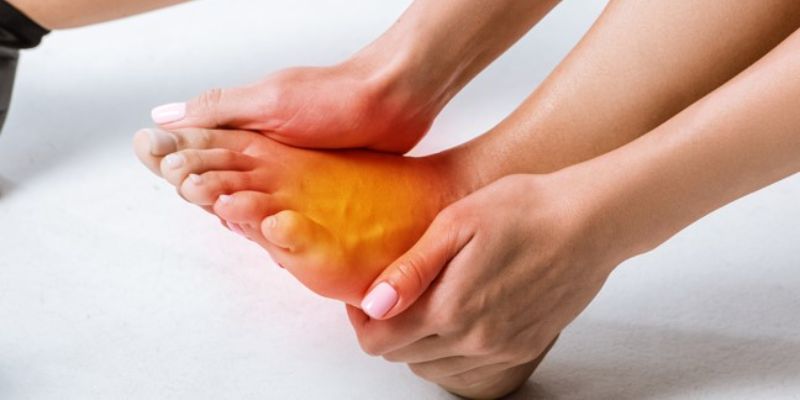
When brachymetatarsia develops, one is also affected by several symptoms, more or less serious depending on the severity of the pathology.
I The most well-known and widespread symptoms are:
- Visible foot deformity: in the presence of one or more metatarsals that are shorter than the others, they are easily recognizable as “deformed”;
- Foot pain: mainly concentrated in the affected metatarsal; pain may worsen with physical activity or pressure;
- Precarious balance: the deformity that causes brachymetatarsia causes body weight to be poorly distributed, thus affecting the stability of posture;
- Difficulty walking: it is a consequential condition derived mainly from pain, which prevents a normal and controlled gait:
- Formation of calluses and ulcers: a direct consequence of incorrect body weight distribution; calluses and ulcers not only cause pain but are also prone to infection;
- Musculoskeletal problems: This is a symptom of brachymetatarsia reaching a fairly severe stage; the compromised posture can also cause pain in the hips, knees, and back.
All these symptoms can make life really difficult for those who suffer from them.
It is therefore essential, diagnose brachymetatarsia as early as possible to choose and begin a suitable and personalized treatment.
Diagnosis of Brachymetatarsia

For the diagnosis of brachymetatarsiaFirst of all, you need to contact a specialist doctor.
The diagnostic visit is divided into several steps.
It starts with thephysical exam andanamnesi.
The doctor, through thephysical exam examine the foot, to evaluate the severity of the deformity, as well as understanding how much mobility is left in the affected foot.
The anamnesi, instead, consists in collect all patient information; both the symptoms and the current situation of brachymetatarsia, as well as its past clinical history. It is important, in fact, to also know the general health of the patient, to evaluate and understand which treatment to adopt to defeat brachymetatarsia.
For confirm the diagnosis and to better understand the severity of the pathology, it is usual to undergo foot x-raysOnly with images, in fact, will it be possible to evaluate the exact length of the affected metatarsal(s), also revealing any structural anomalies.
Non-surgical treatments for brachymetatarsia

Like almost all foot pathologies, doctors recommend treat brachymetatarsia, initially and if the pathology is not yet serious, with the non-surgical treatments.
These treatments have the main purpose of contain symptoms and relieve pain, so as to allow you to return, partially or totally, to everyday life.
Wanting to list these conservative treatments, among them we will have:
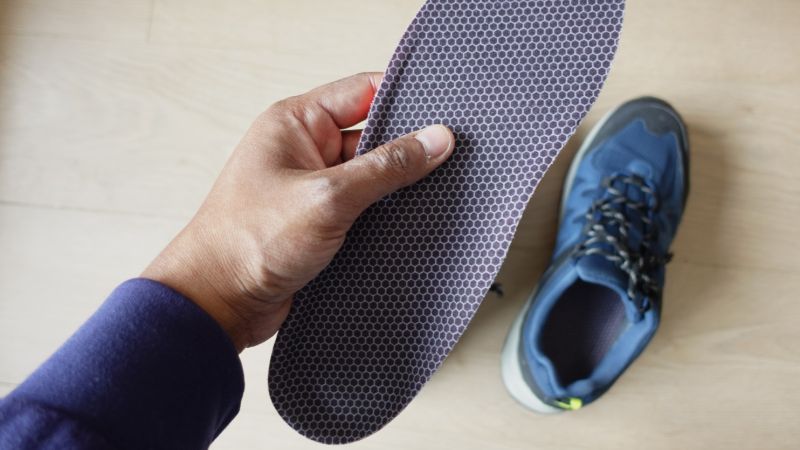
- theuse of orthopedic shoes tailor-made;
- the use of customized foot orthoses;
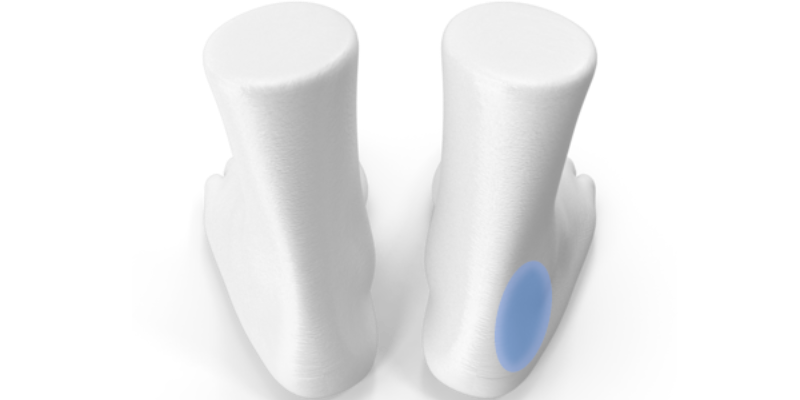
- theapplication of protective pads and padding, as a prevention for the formation of calluses and ulcers;
- taking anti-inflammatory drugs;
- la physiotherapy.
All these approaches, combined with each other, contribute to improve the patient's quality of life, although, more often than not, they fail to definitively correct the problem.
Surgical Treatments for Brachymetatarsia
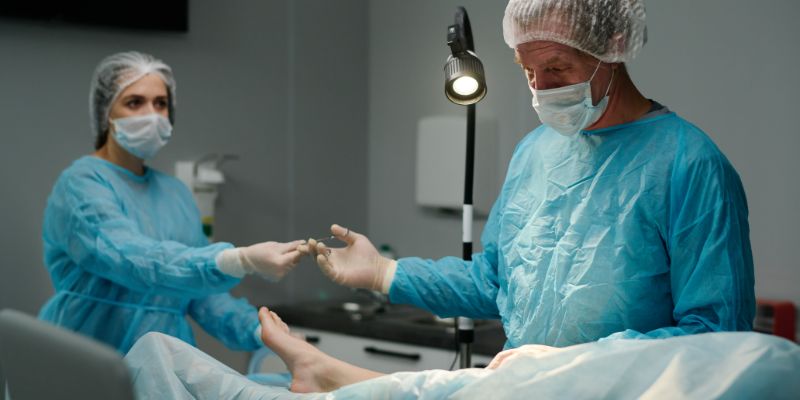
When non-surgical treatments fail to combat the symptoms of brachymetatarsia as desired, doctors recommend resorting to surgery.
For treat brachymetatarsia, there are mainly two surgical approaches: thelengthening osteotomy and distraction devices.
The lengthening osteotomy involves cutting the metatarsus short and thebone graft to lengthen it and restore the correct length. The surgeon separates the metatarsal affected by brachymetatarsia into two sections; the bone graft, often taken from another part of the patient's body, is inserted right between the two sections.
This is an intervention quite invasive, although it is considered the most effective, since it immediately and precisely lengthens the metatarsus, thus correcting the defect with a single operation.
I distraction devices, instead, they exploit external devices called “distractors” which gradually lengthen the bone. Fixed to the bone through pins or wires, the distractor is adjusted via a special mechanism The patient and the doctor can lengthen the bone by a few millimeters each day, thus lengthening it. The entire process is called distraction osteogenesis, which allows the bone to grow naturally.
It's an operation less invasive of the lengthening osteotomy, but with a much longer treatment time Compared to the first operation, this technique reduces the risk of complications and infections.
SmartHallux and brachymetatarsia

SmartHallux is a cutting-edge center specialized in foot and ankle care.
Thanks to its team of specialist surgeons, led by the internationally renowned surgeon the Dr. Luigi Manzi, SmartHallux has developed cutting-edge techniques for the diagnosis and treatment of brachymetatarsia.
What SmartHallux offers, in addition to the competence and professionalism of its team, is the total dedication to the patient, from diagnosis to post-operative recovery and beyond.
SmartHallux stands out for itsuse of cutting-edge and minimally invasive techniques, which allow for more fast post-operative recoveryThese techniques include state-of-the-art distraction systems and biocompatible materials that promote rapid recovery.
Se you suffer from brachymetatarsia and you want to take back your health, click here e Book your visit with SmartHallux as soon as possible.
Choose the best! Choose SmartHallux!