
Distal plantar fasciitis: causes, symptoms, and treatment
If you feel a sharp pain in your heel as soon as you get out of bed or after a long day on your feet, you may have distal plantar fasciitis.
By Dr. Luigi ManziUpdated on
If you feel a sharp pain in your heel as soon as you get out of bed or after a long day on your feet, you may be suffering from distal plantar fasciitis . A more common condition than you think, but often overlooked. In this clear and professional guide, you'll discover what it is, what causes it, and how to treat it.
What is distal plantar fasciitis?

Distal plantar fasciitis is an inflammation of the final (distal) part of the plantar fascia , a thick ligament that connects the heel to the toes and supports the arch of the foot. Unlike the more common (proximal) form, in this case the pain is more localized toward the front of the heel and along the arch of the foot.
There are several forms of fasciitis:
- Proximal: affects the insertion of the band on the heel
- Distal: affects the most anterior part of the fascia
What are the causes?

Among the main risk factors we find:
- Unsuitable or worn footwear
- Long walks or intense sports activity on hard surfaces
- Overweight or obesity, which increases the load on the plantar fascia
- Biomechanical alterations, such as flatfoot o pronation syndrome
Posture and a sedentary lifestyle can also contribute to excessive load on the fascia.
The most common symptoms

Those who suffer from distal plantar fasciitis often report:
- Sharp pain in the heel, especially in the morning or after sitting for a long time
- Foot stiffness and discomfort during the first steps
- Pain that extends toward the forefoot
- Difficulty walking or standing for long periods
In some cases it is accompanied by swelling or a burning sensation under the foot.
How is it diagnosed?

The diagnosis is based on:
- Clinical examination of the foot and evaluation of the patient's history
- Radiography, to exclude fractures or bone spurs
- Magnetic resonance, useful for evaluating soft tissues and confirming inflammation of the fascia
Available treatments
Conservative approach
- Rest and ice application
- Targeted physiotherapy with stretching exercises for the fascia and calves
- Anti-inflammatory drugs for pain
- Orthotic insoles to support the arch of the foot
Advanced treatments
- Cortisone injections in resistant cases
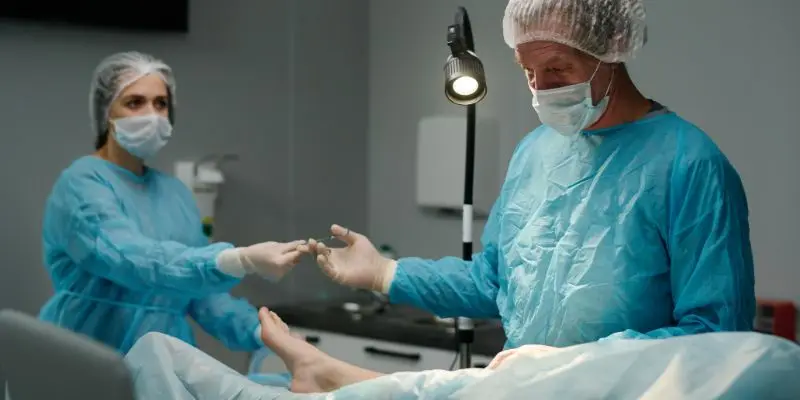
- Surgical intervention (plantar fasciotomy) in chronic and refractory cases
The treatment chosen depends on the severity and duration of the symptoms.
How to prevent distal plantar fasciitis

- Wear shoes with good arch support
- Avoid walking barefoot on hard surfaces
- Perform stretching and strengthening exercises regularly
- Maintain an appropriate weight to reduce pressure on the foot
SmartHallux Surgery: A Modern Approach

For more severe cases, minimally invasive SmartHallux surgery is an effective solution. Dr. Luigi Manzi and his team offer:
- Cutting-edge techniques
- Minimal post-operative pain
- Quick recovery
- First visit available in the office, via telemedicine or in various Italian cities
The SmartHallux team treats conditions such as hallux valgus , Morton's neuroma , and other deformities that cause foot pain. Providing comprehensive support throughout the treatment process, SmartHallux can be a winning choice for effective treatment tailored to your needs. Book your specialist consultation with the SmartHallux team now (opens in a new tab).
FAQ
Is distal plantar fasciitis curable?
Yes, in most cases with conservative therapies. Only a small percentage of patients require surgery.
What are the main symptoms?
Heel pain in the morning, stiffness, difficulty walking, and pain radiating along the arch of the foot.
How is it diagnosed?
With a clinical examination, possibly supported by X-ray or MRI to exclude other conditions.