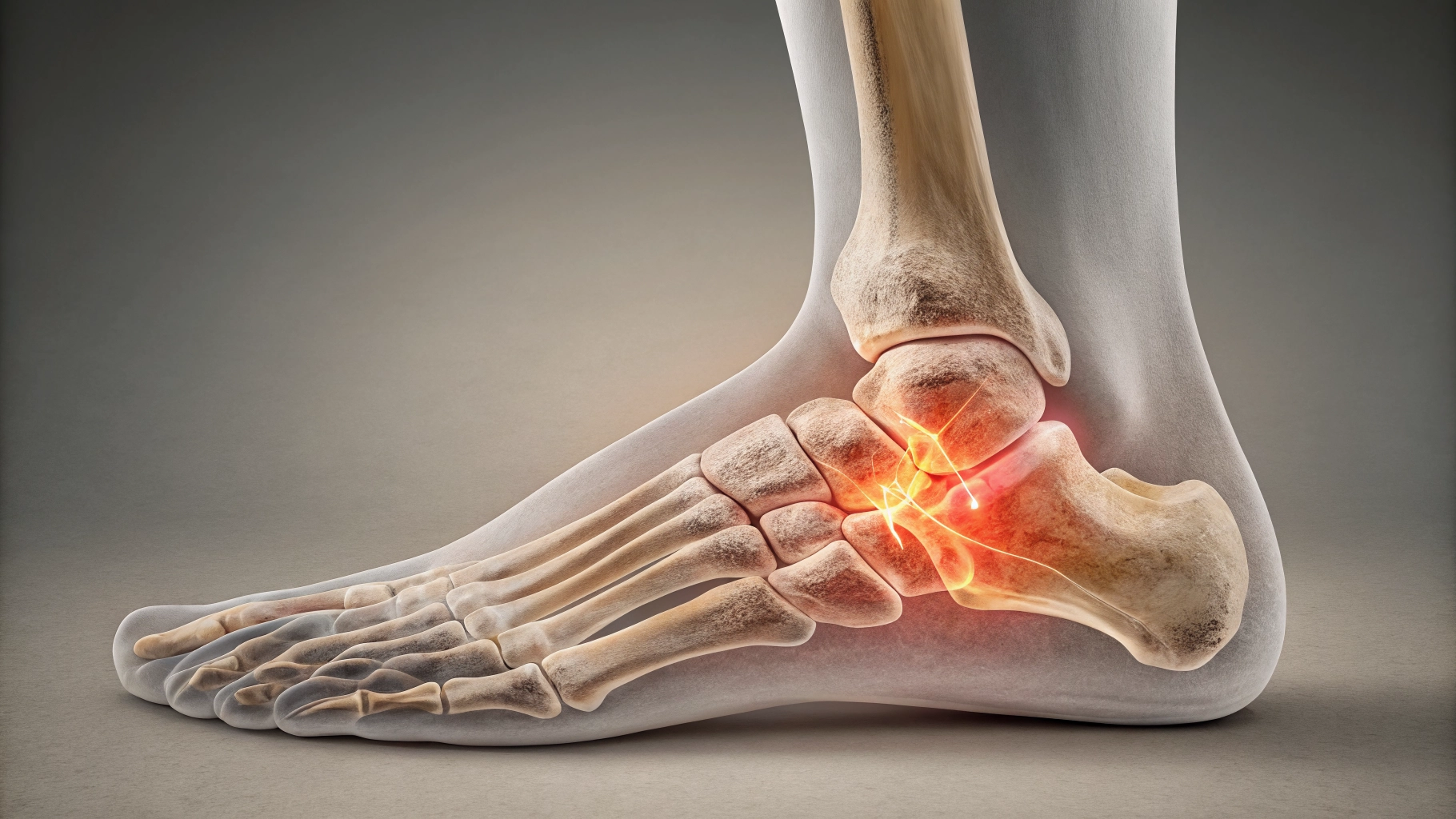

Calf and ankle pain is one of those discomforts that can strike suddenly, while walking, after a workout, or gradually, as a growing discomfort that makes even standing increasingly difficult. It's not always serious, but neglecting it can make the situation worse.
Let's look at the most common causes, how to recognize the symptoms, and the most effective remedies.
Why do my calf and ankle hurt?

Pain in this area can be caused by many different factors. Causes range from simple muscle spasms to more complex problems affecting the tendons, joints, or even the nervous or circulatory systems.
The main sources of pain include:
- Muscular: tears, cramps or calf tendonitis
- Joints: ankle arthrosis, bursitis or inflammation due to overload
- Neurological: peripheral neuropathies, sciatica, tarsal tunnel
- Vascular: deep vein thrombosis, chronic venous insufficiency
- Traumatic: sprains, fractures or post-injury inflammation
How does it manifest itself?
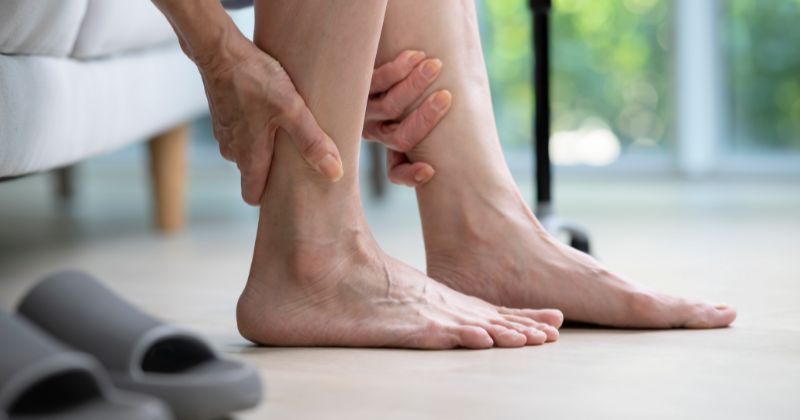
Each cause has its own characteristics, but there are some signs that should not be ignored:
- Sharp or constant pain, which worsens with movement
- Localized swelling
- Stiffness or limitation of movement
- Feeling of tingling, numbness or weakness
- Redness or heat to the touch in case of inflammation or infection
When the pain is sudden, associated with swelling and redness, it is important to act immediately: it could be a venous thrombosis or an invisible trauma.
How is the diagnosis made?

The diagnosis is always based on a clinical evaluation by a specialist, who may prescribe:
- X-rays to exclude fractures
- Ultrasound to evaluate muscles and tendons
- Magnetic resonance in the most complex cases
- Electromyography if a neurological cause is suspected
Available treatments
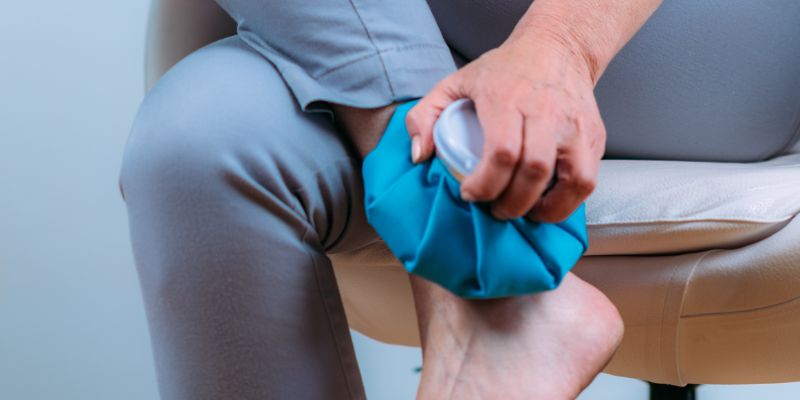
We always start with conservative approaches, unless there is a significant lesion:
- Rest, ice, compression and elevation
- Anti-inflammatory or pain-relieving drugs
- Personalized physiotherapy
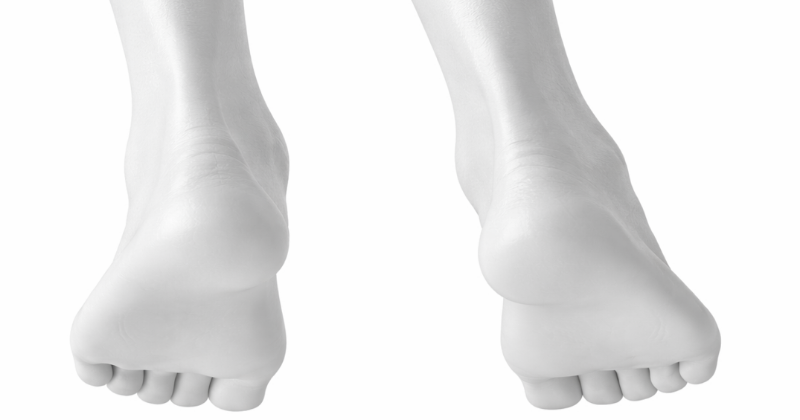
- Orthotics or corrective insoles, especially if there is a pronated foot o valgus
In more serious cases, surgery may be necessary, especially if the pain is chronic or due to significant structural damage.
Prevention: How to avoid falling into the problem again

A few habits are enough to reduce the risk of developing pain between the calf and ankle:
- Always do a good job warm-up before physical activity
- Insert stretching regular in your routine
- Choose shoes with good arch support
- Avoid sudden overloads
- Keep a adequate body weight
The SmartHallux approach to foot care

Calf and ankle pain can be the result of a wide variety of issues. Early intervention, with a specialist assessment and a tailored plan, is essential to prevent worsening and regain pain-free mobility.
When conservative therapies are no longer sufficient, SmartHallux offers advanced surgical solutions, such as minimally invasive procedures, to reduce pain and improve mobility lastingly. Dr. Luigi Manzi , with years of experience in foot surgery, leads a highly specialized team ready to evaluate each case carefully and individually.
The SmartHallux team treats conditions such as hallux valgus , Morton's neuroma , and other deformities that cause foot pain. Providing comprehensive support throughout the treatment process, including post-operative recovery, SmartHallux can be a winning choice for effective treatment tailored to your needs. Book your specialist consultation with the SmartHallux team now.
FAQ
What can cause calf and ankle pain together?
It is often a combination of factors: tendon inflammation, joint overload, or a circulatory disorder.
Is intervention always necessary?
No, most cases resolve with conservative therapies. Surgery is indicated only in the most complex or resistant cases.
How long does healing take?
It depends on the cause. Tendinitis heals in a few weeks, while a vascular disease or fracture takes months.