
Heel Pain: What You Need to Know When Every Step Hurts
Pain behind the heel, where the Achilles tendon attaches, is often due to insertional tendonitis, bursitis or Haglund's deformity. The causes and what to do.
By Dr. Luigi ManziUpdated on
You wake up in the morning and as soon as you step out of bed… ouch! A pain behind your heel that makes you jump.
Well, if you're reading this article, you probably know exactly what I'm talking about. Pain behind the heel is one of those discomforts that can really ruin your day. It's not just the pain: it changes the way you walk, run, and sometimes even get up from a chair.
In my office, I see a lot of people with this problem. And the first thing they almost always say is, "Doctor, what did I do wrong?" The truth? Often, you didn't do anything wrong. The heel is an area that works hard every day, and sometimes... well, it rebels.
What exactly happens to your heel?
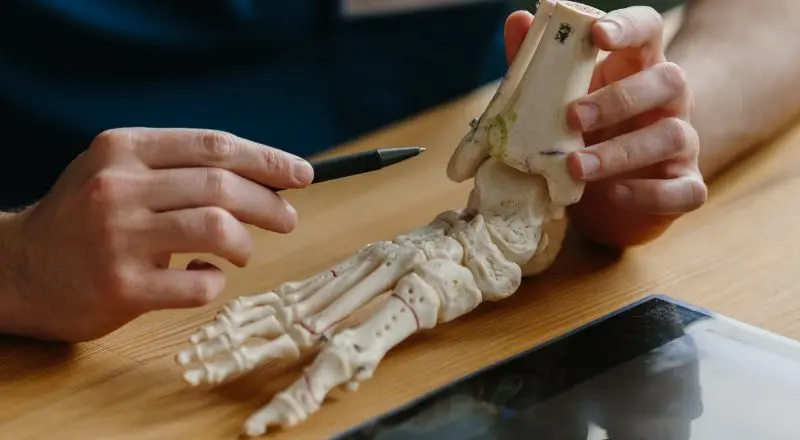
The heel isn't just a piece of bone. It's a complex system.
Think of the calcaneus—the heel bone—as the pillar of a bridge. The Achilles tendon, the thick one you feel behind your ankle, runs above it. Below it is the plantar fascia, a kind of taut "string" that supports the arch of the foot. Around it are bursae (small fluid-filled cushions), nerves, and blood vessels.
When any of these structures become inflamed or irritated, the result is always the same: pain. Sometimes it's a sharp stab, other times it's dull, like a weight that never goes away.
The most common causes of back heel pain
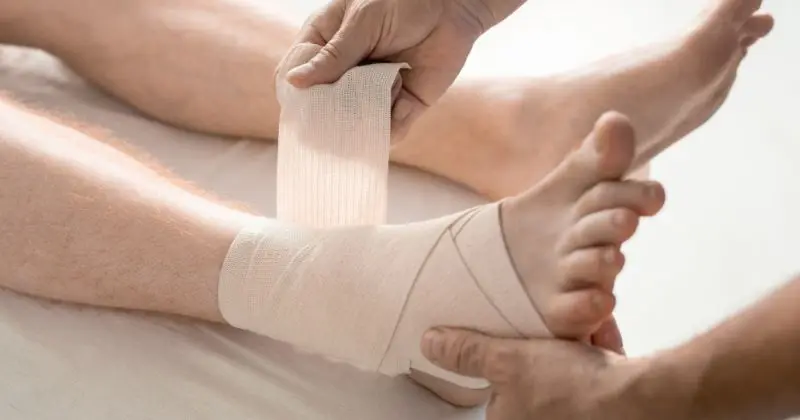
Achilles tendinitis is perhaps the most common. The Achilles tendon is strong, but not invincible. If you run too much, suddenly change shoes, or are simply predisposed, it can become inflamed. The pain is usually just behind the heel, sometimes moving up toward the calf.
Then there's plantar fasciitis. Oh, I know this one well! It's an inflammation of the fascia that runs under the foot, but the pain is often felt right where it attaches to the heel. Typical: severe pain in the morning, then improves with walking, but returns if you stay still for too long.
Heel bursitis is more subtle. Bursae are the small cushions that are supposed to allow the tendons to slide. When they become inflamed, every movement becomes painful. The heel becomes swollen and painful to the touch.
There are also heel spurs—what patients call "spurs." They are small bony growths that form on the heel. They don't always hurt, but when they do... you definitely feel it.
Sometimes the problem is Haglund's syndrome, or "Haglund's disease." This occurs when a bony prominence forms behind the heel that is constantly irritated by the shoe. The heel becomes red and painful.
Rarer, but possible: stress fractures (especially in athletes), osteoarthritis, neuropathy, and sometimes even gout can affect this area.
Symptoms You Can't Ignore

Pain behind the heel has its typical characteristics.
In the morning, it's often terrible. The first few steps after a break are the worst. Then, as you gradually warm up the area, it gets a little better. But be careful: if you resume activity after a break, it will come back.
The heel may be swollen, sometimes red. It is tender to the touch, sometimes feeling like there is a specific "sore spot." If the Achilles tendon is involved, you may feel stiffness in the back of your leg.
Some patients describe a sudden "heel pain" that strikes them. Others describe a dull, constant pain that never leaves them.
If there is swelling in the ankle along with heel pain, it could be a sign of a more complex problem that requires immediate attention.
How I get to the diagnosis

When you come to my office with heel pain, the first thing I do is listen. You tell me when it hurts, how it started, and what makes it worse or better. This is valuable information.
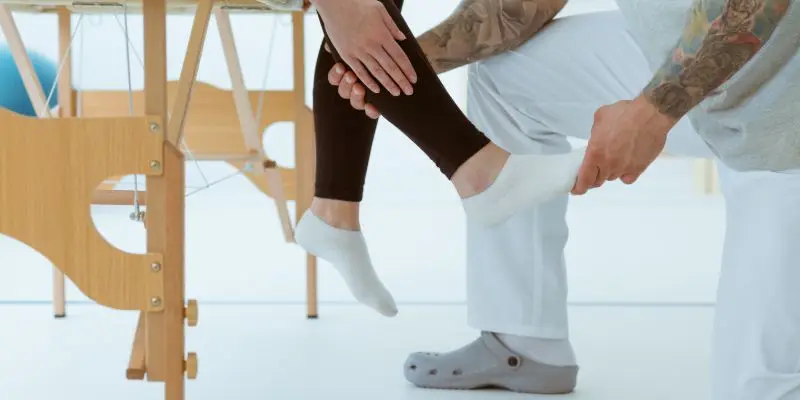
Then I'll have you take off your shoes and socks and look. Is your heel swollen? Red? Are there any deformities? I'll gently touch it to determine exactly where the pain is.
I'll have you do a few movements: flex your foot, stand on tiptoe, walk a little. Every movement tells me something.
Sometimes this is enough to figure out what's wrong. Other times, more detailed investigations are needed. An X-ray can reveal heel spurs or fractures. Ultrasound is excellent for viewing tendons and soft tissue. MRI? I reserve it for complex cases, when I need to see everything in detail.
Blood tests are rarely needed, only if I suspect arthritis or gout.
The treatment options we have
The good news? In the vast majority of cases, heel pain resolves without surgery.
Rest is essential. I know, I know... "Doctor, but I have to work!" Rest doesn't mean staying still, it means avoiding what makes the pain worse. If you run, stop for a while. If you walk a lot for work, try to cut back when you can.
Ice is a cure-all for heel inflammation. Apply it for fifteen to twenty minutes at a time, several times a day. Never apply it directly to the skin.
Anti-inflammatory drugs can provide relief, but they're a temporary crutch. Pain must be resolved by treating the cause, not simply masking it.
Physiotherapy? Fantastic. Stretching exercises for the Achilles tendon and plantar fascia are often effective. Your physiotherapist can also use ultrasound, Tecar therapy, and shock waves.
Custom orthotics can work wonders, especially for plantar fasciitis. They correct the position of the foot and reduce stress on the heel.
In stubborn cases, I consider cortisone injections. They're effective, but I use them sparingly because they can weaken the tendons if repeated too often.
Surgery? It's the last resort, reserved for cases that simply don't respond to any conservative treatment after at least six months of trying.
Prevention is better than cure
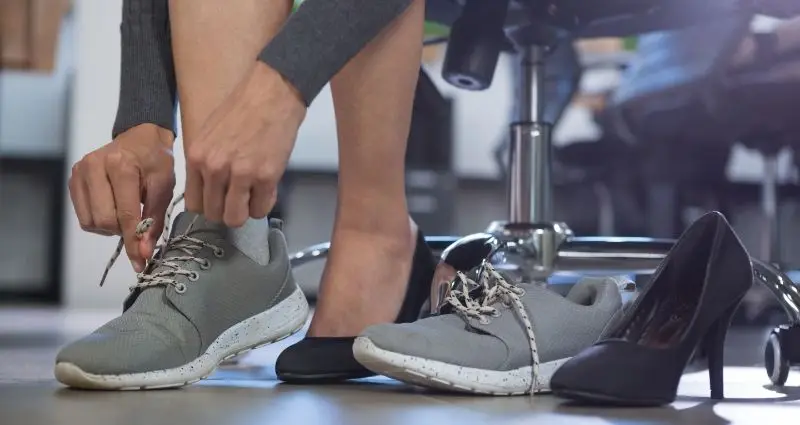
Some practical advice I always give to my patients.
First: shoes matter. A lot. Cushioned shoes with good arch support. Avoid shoes that are too flat or worn out. And if you play sports, change your shoes regularly—running shoes should be replaced every 500-800 kilometers.
Second: daily stretching. Even just five minutes in the morning and evening can prevent many problems. It stretches your calves, plantar fascia, and Achilles tendon.
If you're overweight, every pound you lose is a gift to your feet. Your heel supports your entire body weight, so taking some of that weight off can only be beneficial.
Beware of sudden changes. If you want to start running, do it gradually. If you change shoes, give your feet time to adjust.
SmartHallux: Where we can help you

Dr. Luigi Manzi, who has gained specific experience in this field, follows each patient with a personalized path using the most modern techniques.
The SmartHallux team treats conditions such as hallux valgus , Morton's neuroma , and other deformities that cause foot pain. Providing comprehensive support throughout the treatment process, SmartHallux can be a winning choice for effective treatment tailored to your needs. Book your specialist consultation with the SmartHallux team now (opens in a new tab).
We don't just treat surgical cases – often the solution is conservative, and we guide you toward the most appropriate treatment path for your specific case.
FAQ
How long does it take to heal from heel pain?
It depends on the cause and how long the problem has been going on. Acute Achilles tendinitis can resolve in 2-3 weeks with proper treatment. Chronic plantar fasciitis can take months. The inflamed heel, in general, is an area that heals slowly because it is constantly under weight.
Can I continue walking with heel pain?
Walking a little often helps, but standing completely still doesn't. But if every step feels like torture, stop. Listen to your body. Severe pain is a sign that something is wrong.
Are orthopedic shoes really necessary?
You don't always need actual orthopedic shoes. Often, custom-made insoles in regular, good-quality shoes are sufficient. Every case is different.
When should I worry?
If your heel is severely swollen and red, if you have a fever, if the pain appears after an injury, or if you can't walk at all—it's best not to wait. In general, if two weeks of rest and ice don't improve, it's time to see a specialist.