
Heel pain: information, causes, and solutions
Heel pain can come from plantar fasciitis, a heel spur, Achilles tendonitis or bursitis. The causes, warning signs and the solutions, from insoles to surgery.
By Dr. Luigi ManziUpdated on
Heel pain is more common than you might think. It can affect people of all ages, significantly impacting the quality of life of those who suffer from it. Causes can range from common conditions, such as plantar fasciitis, to inflammation of the Achilles tendon, with symptoms varying depending on the underlying problem.
It's a particularly common condition among athletes, overweight people, and those who spend long hours on their feet, but it can affect anyone. Without proper treatment, heel pain can progress from a simple annoyance to chronic, significantly limiting daily activities and limiting the sufferer's range of motion.
Possible causes of heel pain

- Plantar fasciitis – Plantar fasciitis is one of the most common causes of heel pain. It occurs when the plantar ligament, which supports the arch of the foot, becomes inflamed. This can be caused by excessive weight bearing or poor posture. The pain is usually worse in the morning or after long periods of inactivity.
- Heel spur A heel spur is a bony growth on the heel bone. It can cause pain and burning under the heel, especially when walking or standing for long periods. It is usually associated with plantar fasciitis.
- Achilles tendinitis This inflammation of the Achilles tendon causes severe pain in the heel area and along the tendon. It often results from intense physical activity or repetitive movements and, if left untreated, can lead to tendon rupture.
- Arthritis – Rheumatoid or psoriatic arthritis can cause heel pain, accompanied by swelling and joint stiffness. The pain is often bilateral and worsens after periods of inactivity.
- Stress fractures – Stress fractures of the calcaneus are caused by repetitive trauma, typical of high-impact sports like running. This type of fracture causes pain that intensifies with physical activity.
- Entrapment neuropathy – Entrapment of the posterior tibial nerve, known as tarsal tunnel syndrome, can cause pain, tingling, and
There are also other, much less common, cases in which heel pain is caused by infections, circulatory problems, cysts, or benign tumors. The fact that they are less frequent doesn't mean these problems are less serious. Like all problems, they require an accurate diagnosis.
Symptoms of heel pain

Heel pain symptoms vary depending on their cause. They can manifest as a sharp, localized pain under the heel, behind the heel, or along the inside of the foot, or they can manifest as a burning sensation or mild to moderate tension. Intense physical activity, walking on hard surfaces, or wearing ill-fitting footwear generally risk worsening the severity.
Diagnosing heel pain
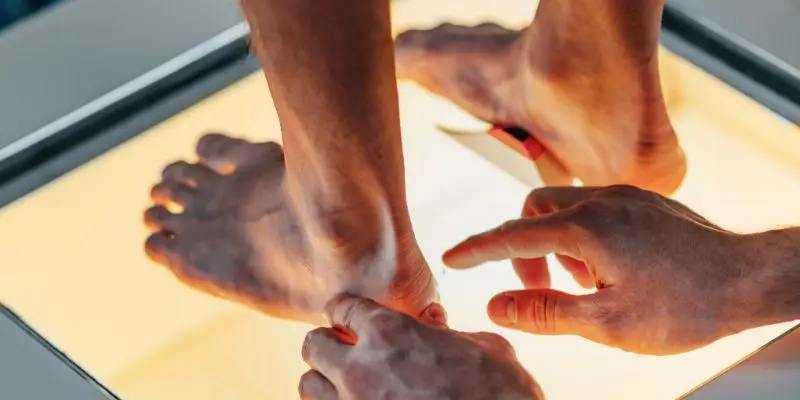
An accurate diagnosis of heel pain includes physical and diagnostic assessments to identify the cause of the disorder.
It begins with an examination during which the doctor assesses heel sensation, foot posture, and mobility to identify areas of pain. Next, information is collected about the patient's lifestyle, physical activity, and any injuries. This data helps identify causes and risk factors. Radiological tests (X-rays and MRI) can detect any problems such as heel spurs, fractures, or tendon inflammation. The doctor may also order other diagnostic tests, such as an ultrasound, to identify the presence of inflammation or soft tissue lesions, providing a more detailed picture of the condition.
Heel pain treatment

To try to relieve heel pain, you need to start by identifying its cause. The ideal approach is to rest your feet to reduce inflammation. Applying ice to the painful area can also help.
In some cases, performing specific physiotherapy exercises or using orthopedic insoles can represent solutions to heel pain as they improve posture and reduce pressure on the foot, but it is advisable to make these choices under the guidance of a specialist.
If the pain persists and conservative treatments fail to relieve it, it may be necessary to take corticosteroids or consider surgery. Procedures to try to resolve a painful heel problem typically include plantar fasciotomy and heel spur removal, but in some extreme cases, Achilles tendon reconstruction may also be necessary.
How can you prevent heel pain?

There are some preventative measures that can help reduce the risk of heel pain. Adopt good habits, such as wearing comfortable shoes with wide toes and appropriate for the activity you perform, and avoiding particularly strenuous activities on hard surfaces.
With these simple measures you can significantly reduce the risk of developing heel problems, improving your quality of life and maintaining optimal mobility.
If you suffer from heel pain, you can now take advantage of the effective and innovative solutions offered by SmartHallux. Book an appointment today and return to your daily activities worry-free.