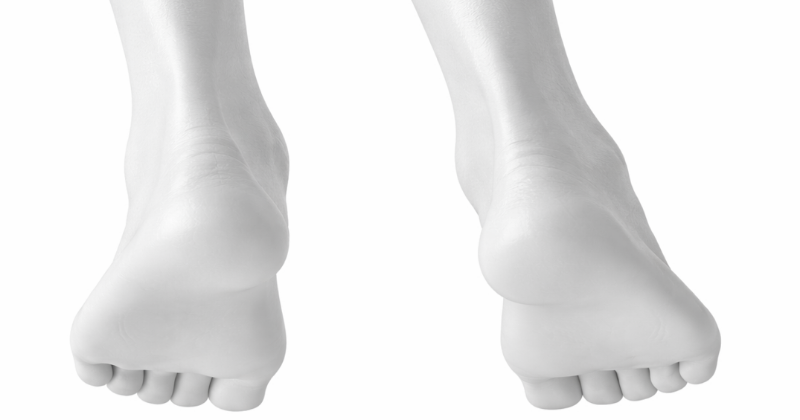
A sharp pain under the toes. A burning or tingling sensation that occurs when walking, perhaps when wearing tight shoes. If this describes you, you may be dealing with a Morton's neuroma – a common but often underestimated condition.
Understanding what it is, how it is diagnosed (in particular through echography (Morton's neuroma) and what the treatment options are is the first step to walking without pain again.
What is Morton's neuroma?
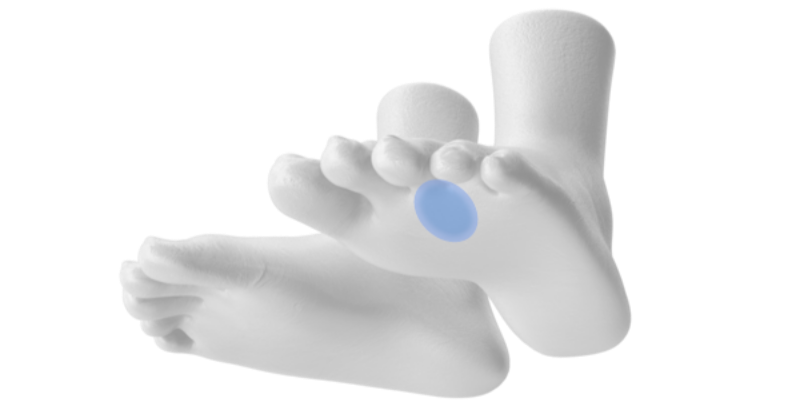
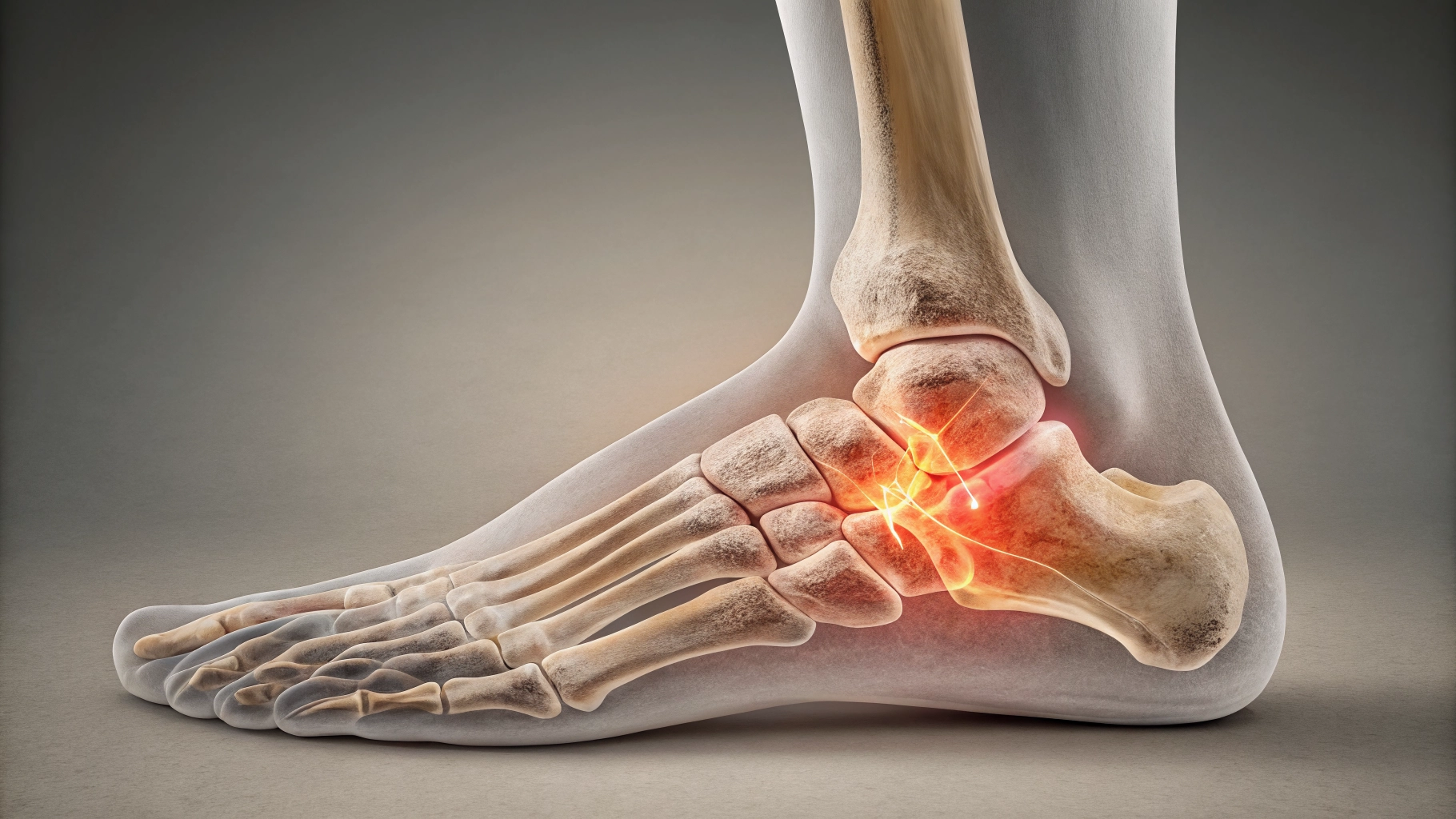
Morton's neuroma is a thickening of a nerve between the metatarsal bones, usually between the third and fourth toes. This compression causes chronic inflammation of the nerve, resulting in pain, burning, tingling, or an annoying "pebble-in-your-shoe" sensation.
It affects women more frequently, especially between the ages of 40 and 60, and is often linked to shoes that are too tight, high heels, flat feet, or sports that involve repeated loads on the forefoot.
The role of ultrasound in diagnosis

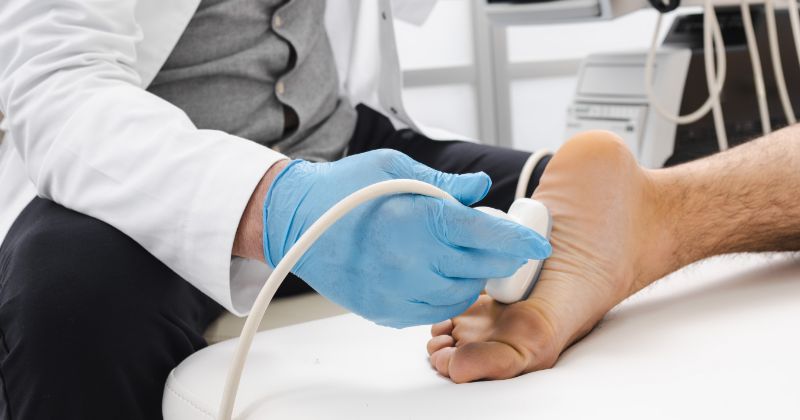
When Morton's neuroma is suspected, theechography It is one of the most useful and accessible tests for confirming clinical suspicion. It allows direct visualization of nerve thickening and measurement of its size, providing a real-time, radiation-free image.
Compared to other tests, such as magnetic resonance imaging (MRI), ultrasound is quicker, less expensive, and often sufficient to initiate treatment. However, in some cases, it may miss the neuroma if it is small or if the compression is intermittent. For this reason, clinical evaluation remains essential.
How is Morton's neuroma treated?

Treatment depends on the severity of the symptoms. In milder or recent cases, a conservative approach is preferred:
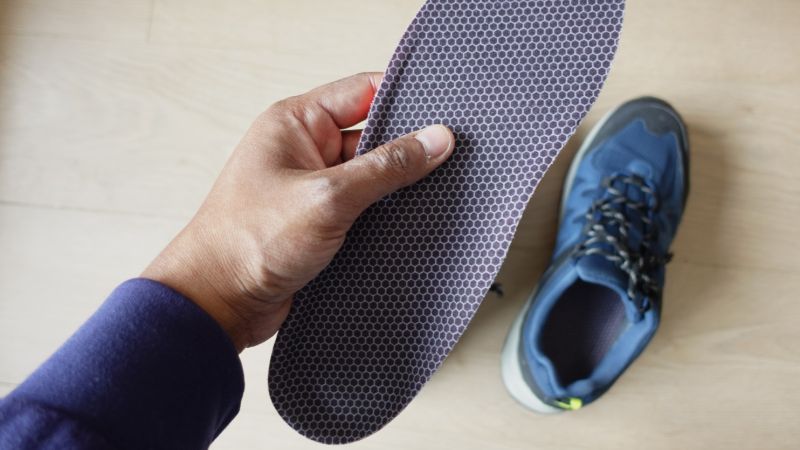
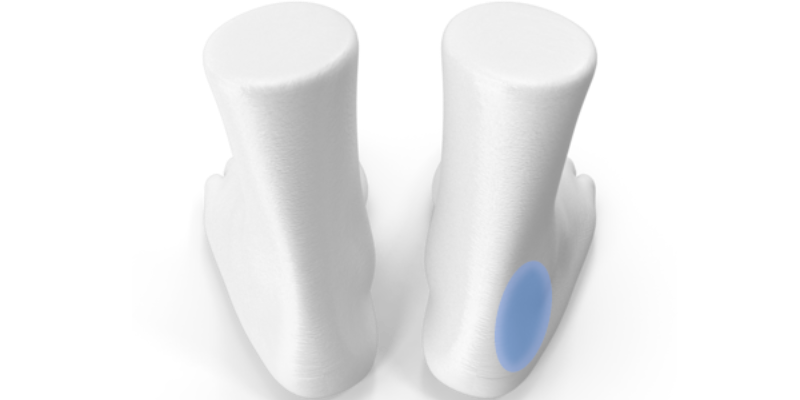
- use of orthopedic insoles with metatarsal support;
- comfortable shoes, with a wide toe and cushioned sole;
- physiotherapy aimed at reducing inflammation and correcting the support;
- anti-inflammatory drugs or local cortisone infiltrations.
When symptoms persist or worsen, surgery may be considered. The operation involves removing the neuroma and is generally performed in day hospital, with rapid recovery and good clinical outcome in most cases.
And after the surgery?
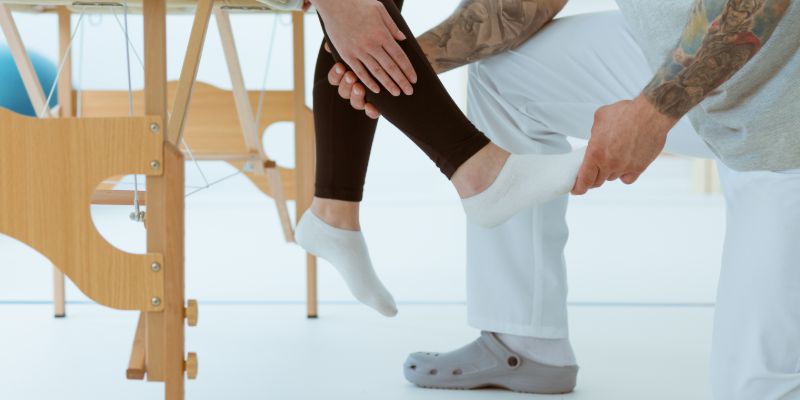
Recovery depends on the procedure performed and the patient's condition, but walking is generally possible after a few days, with a gradual return to normal activities. In some cases, a short course of post-operative physiotherapy is recommended to optimize healing and prevent recurrence.
Prevention: better to act early
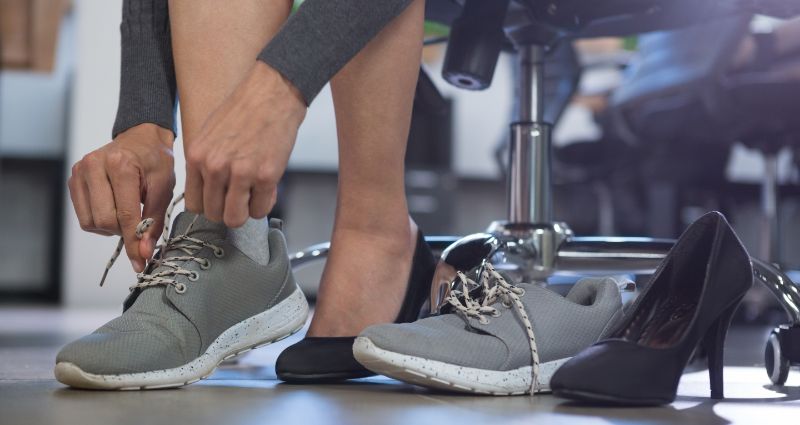
Morton's neuroma cannot always be avoided, but the risk can be reduced. Choose suitable shoes – comfortable, wide at the toe, with an ergonomic footbed – is the first step. We then add weight control, attention to posture, and the habit of Don't ignore recurring forefoot pain.
SmartHallux: Listen to your foot before the pain speaks.

Il Morton's neuroma It is solvable, but only if addressed in the right way and at the right time. Dr. Luigi Manzi, a foot and ankle surgery specialist, can help you understand if your pain is truly caused by a neuroma and guide you in choosing the most appropriate treatment.
The SmartHallux team treats conditions such as hallux valgus , Morton's neuroma , and other deformities that cause foot pain. Providing comprehensive support throughout the treatment process, SmartHallux can be a winning choice for effective treatment tailored to your needs. Book your specialist consultation with the SmartHallux team now.
FAQ
Is ultrasound sufficient for diagnosis?
In most cases, yes. Ultrasound allows for the identification and localization of the neuroma. In ambiguous situations, it can be combined with an MRI.
How long does recovery take after surgery?
It usually takes a few weeks to return to normal daily activities. Vigorous sports activities may require longer.
Can surgery be avoided?
Yes, if treated early. Conservative treatments can resolve symptoms in mild or moderate cases.