
Morton's neuroma exercises: what to do to relieve pain
To relieve pain, some exercises for Morton's neuroma can be performed, which can be integrated with more specific treatments to solve the problem.
By Dr. Luigi ManziUpdated on
A tingling and burning sensation localized between the third and fourth toes may be due to a very specific pathology: Morton's neuroma . Although the causes of this painful condition are not always known, some factors that contribute to its onset have been identified over time.
Morton's neuroma is often associated with wearing tight, uncomfortable shoes, as well as engaging in high-impact physical activities on the lower limbs, such as running. In some cases, it can also be caused by a foot deformity.
To relieve pain, some exercises for Morton's neuroma can be performed, to be integrated with more specific treatments to solve the problem.
Causes and symptoms of Morton's neuroma
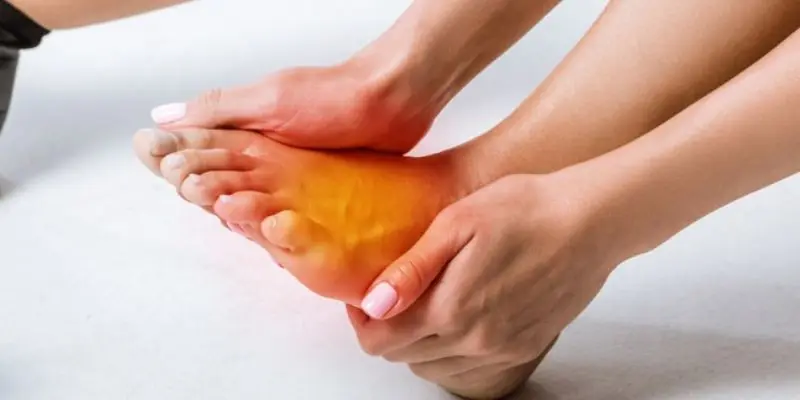
One of the first signs is a sharp pain in the foot, often described as a throbbing or intense burning sensation, but it's not well-localized and seems to shift frequently. For those suffering from Morton's neuroma, it's difficult to isolate one or more factors responsible for this condition, while the symptoms and factors that can trigger the onset of the disease and possibly exacerbate the symptoms are much easier to identify.
Wearing high-heeled shoes or shoes with narrow toes increases pressure on the nerves, promoting irritation. In some cases, the pain can radiate to the rest of the foot, causing significant discomfort in daily life. Those affected by Morton's neuroma have difficulty walking and standing, and are unable to participate in sports, especially running, which can further damage the interdigital nerve.
The main symptoms of Morton's neuroma include:
- difficulty standing or walking for prolonged periods;
- burning sensation and pain at the site of the irritated nerve, therefore between the toes, with the possibility of extending to the surrounding areas;
- functional impotence, with the sensation of a shock being stuck in the foot which increases with movement and load.
This fairly common condition can develop following microtraumas or repetitive strain. Repeated use of inappropriate footwear, such as high heels or shoes with a narrow or pointed toe, is also one of the main risk factors for developing Morton's neuroma.
Postural problems that can lead to excessive stress on the ball of the foot, rheumatic conditions (such as rheumatoid arthritis), or peripheral nervous system disorders of the lower limb can also be causes of Morton's neuroma. Finally, certain skeletal disorders of the foot, such as flat feet and high arches, or conditions like hallux valgus, which causes misalignment of all the toes, can affect the nerve roots of the interdigital nerves, causing the tingling and burning sensation localized between the third and fourth toes that is characteristic of Morton's neuroma.
Treatments and exercises to relieve pain

Broadly speaking, the possible treatments for Morton's neuroma can be divided into two categories, depending on the severity: conservative treatments and surgical interventions. Generally, those suffering from Morton's neuroma are advised to rest. However, if the pain allows, some stretching and strengthening exercises can help maintain and improve arch strength.
Morton's neuroma exercises that are helpful in relieving pain include stretching the muscles of the lower leg, calf, and Achilles tendon, or stretching the plantar fascia along the bottom of the foot. However, these exercises should be performed sparingly to prevent reinflammation of the nerve.
There are some simple exercises you can do at home that can play a key role in improving foot function and alleviating symptoms. For example, you can try grasping your heel in one hand and placing the other hand under your toes, gently pulling the ball of your foot back and your toes toward your shin to stretch the plantar fascia. Over time, you should make significant progress, so much so that you'll be able to pull your toes back without using your hand.
There are many different treatments for Morton's neuroma, but they generally require a fairly long treatment cycle. Sufferers typically seek medical attention when the pain has become chronic, a sign of a severely compromised clinical condition that is difficult to manage.
Physiotherapy using manual techniques integrated with high-tech physical tools can lead to complete resolution of symptoms. These techniques include:
- Mobilization of the joints of the foot, especially the toes;
- The mobilization of soft tissues occurs with particular massage techniques, such as transverse massage, or with the aid of instruments such as Iastm and fibrolysis.
The most suitable physical means for this type of condition are:
- Tecar therapy;
- High power laser;
- Ultrasound;
Normally during the treatment cycle, the patient is advised not to wear tight shoes and not to overstrain the foot, so as to minimize stress on the inflamed area.
Incorporating these exercises into your daily routine is essential for long-lasting benefits. However, it's advisable to consult a doctor or physical therapist to customize the program to your needs.
Prevention strategies for Morton's neuroma

Morton's neuroma is a condition that, although it can be particularly painful, can also be manageable by combining conservative treatments with healthy lifestyle habits.
Preventing Morton's neuroma involves taking small, simple steps that reduce the risk of nerve irritation. Wearing comfortable shoes with good arch support and adequate toe space, and regularly performing foot-strengthening exercises, can help prevent the condition from developing.
In addition to exercise, other complementary therapies may be helpful. Physical therapy, targeted massage, and ice application help reduce inflammation and pain. In some cases, acupuncture can provide relief, while customized orthotics relieve pressure on the affected nerve.
Have you ever considered how your daily habits can affect your foot health? Incorporating specific exercises into your daily routine is an opportunity to alleviate symptoms, strengthen your foot, and improve your quality of life. In any case, for those suffering from Morton's neuroma, consulting a specialist is essential to determine the treatment plan best suited to your needs.
Book a nationwide visit to SmartHallux now.