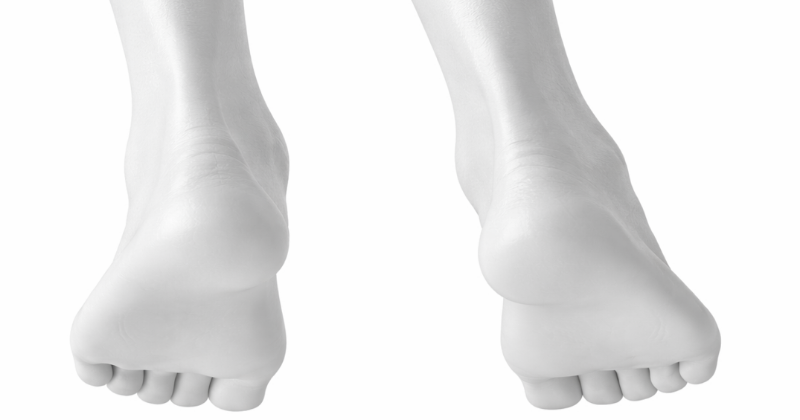
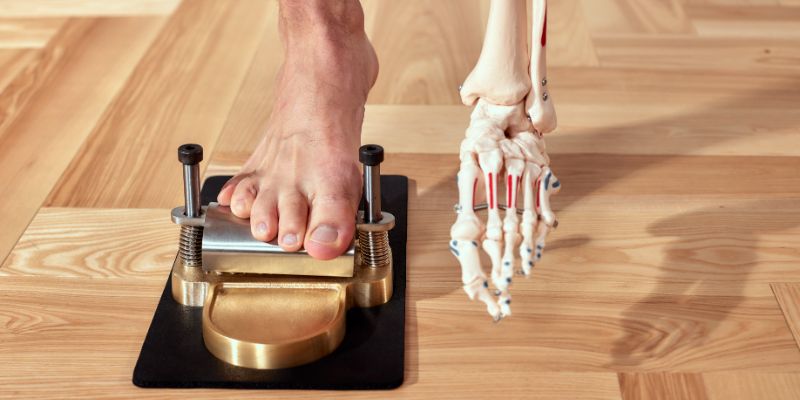
Our feet work hard and are inevitably subjected to stress. The toes, like the fingers, are made up of three phalanges (with the exception of the big toe and the big toe). Each phalange of the foot plays a fundamental role in the mobility and stability of the human body.
These small bones are essential for walking, running, and maintaining balance. When they suffer trauma or are subjected to excessive stress, quality of life can be significantly compromised.
In this article, we will explore the anatomy of the foot phalanges, the main pathologies, and available therapeutic solutions.
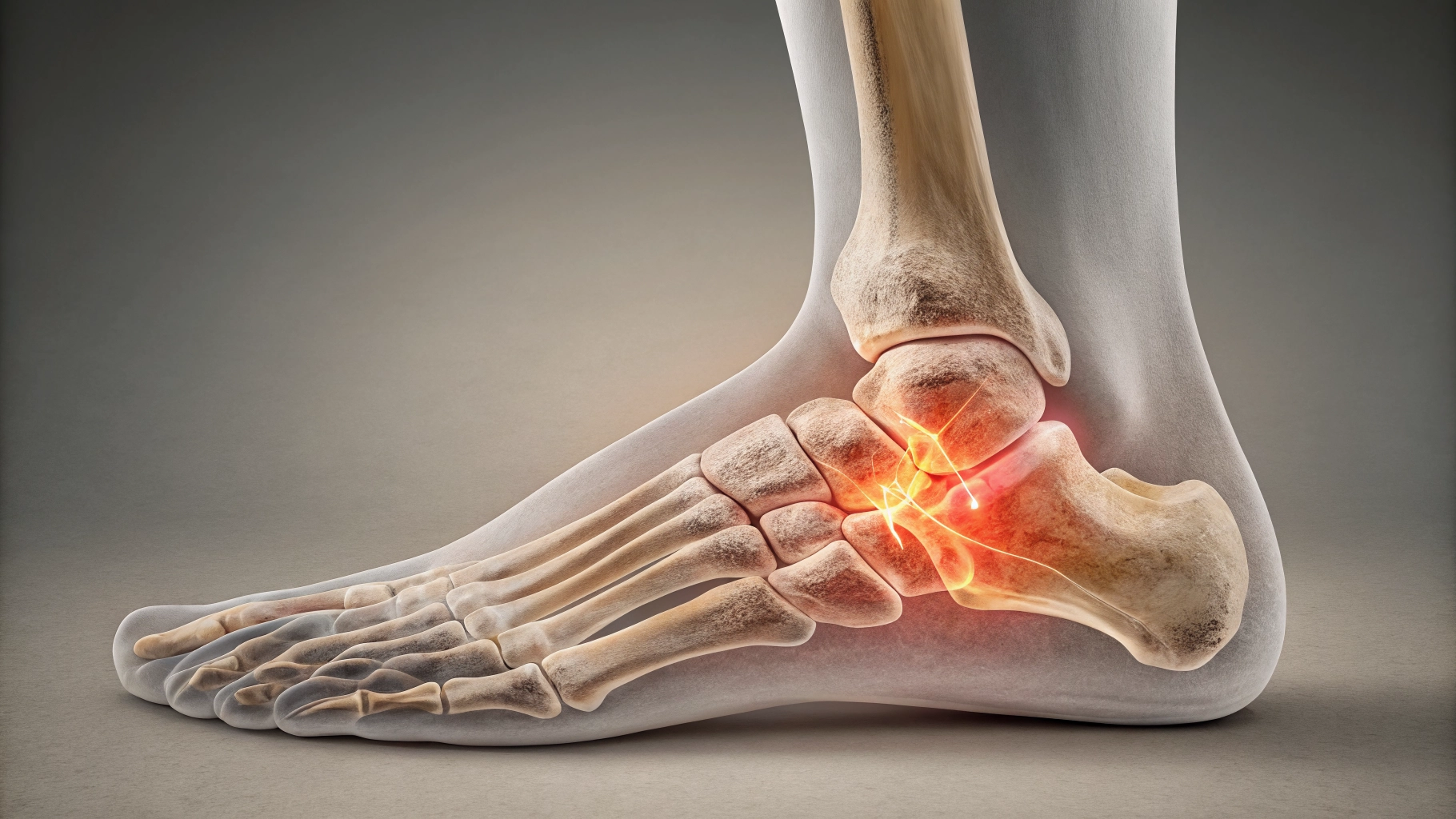
Anatomy of the phalanx of the foot
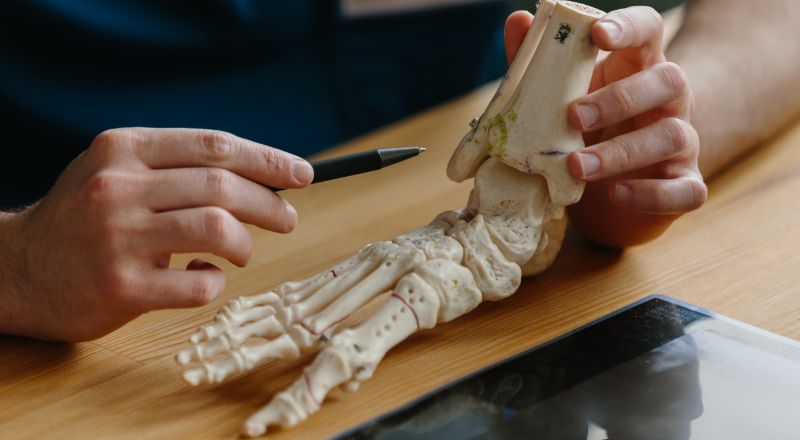
Each human foot contains 14 phalanges, divided into:
- Big toe: composed of two phalanges (proximal and distal);
- Lesser toes: each with three phalanges (proximal, middle, and distal). The phalanges articulate with the metatarsals and with each other, forming the interphalangeal joints, which allow for movement and flexibility of the toes.
The phalanges perform several essential functions, from providing support during walking by helping distribute body weight, to maintaining balance and absorbing impact, helping reduce pressure on the upper joints.
The phalanges of the foot are connected by ligaments and tendons that ensure stability and movement.
Possible pathologies of the phalanges of the foot

- Fractures – Phalangeal fractures are common and can be caused by direct trauma, such as hitting a hard object or sports injuries. Symptoms include pain, swelling, and difficulty moving.
- Dislocations – Dislocations occur when the phalanges become misaligned. They are often caused by trauma or sudden movements and require immediate treatment to avoid complications.
- Ankle arthritis – Wear and tear of the articular cartilage can lead to chronic pain and stiffness in the toe joints. This condition is more common in older adults and those with a genetic predisposition.
- Hallux Valgus e Hallux Rigidus Hallux valgus is a deformity characterized by lateral deviation of the big toe, while hallux rigidus involves reduced joint mobility. Both conditions can cause pain and difficulty walking.
- Hammer Toes and Claw Toes – These deformities occur when the toes bend abnormally, creating pain and difficulty wearing shoes.
- Morton's neuroma – Morton’s neuroma is a nerve disease that affects the sole of the foot, causing pain and tingling between the toes.
- Plantar Fasciitis – Plantar fasciitis is an inflammation of the plantar fascia, often caused by overuse or the use of ill-fitting footwear.
Treatment of foot phalangeal pathologies

Conservative Treatment
For many phalangeal pathologies, conservative treatment is the first option. This includes:
- Rest and apply ice to reduce inflammation;
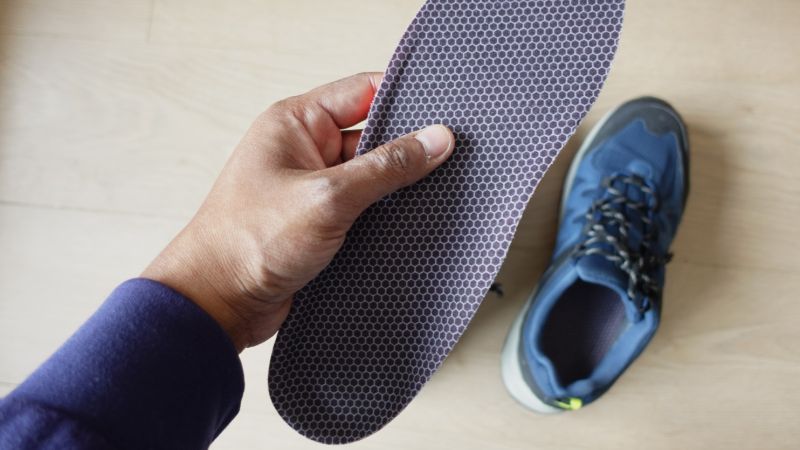
- Use of orthopedic insoles to correct foot posture;
- Physiotherapy exercises to improve joint mobility.
Surgical Treatment
In more severe cases, surgery may be necessary to correct deformities or resolve chronic injuries.
Post-Operative Rehabilitation
Rehabilitation is essential to ensure recovery after surgery. It includes targeted exercises and physical therapy to restore foot function.
Ankle Prosthesis Surgery
In some cases, replacement with a prosthesis can be the solution to improve the quality of life of patients suffering from advanced foot pathologies.
The SmartHallux Technique for Foot Surgery

SmartHallux aims to revolutionize the treatment of all the most common foot and ankle conditions. To achieve this goal, we adopt the best surgical techniques, orthopedic devices, instruments, and materials available on the market.
This is why we propose ourselves as private healthcare at an accessible and financeable cost. Unfortunately, public and subsidized healthcare have spending limits that place limits on the use of materials, instruments and structures.
With SmartHallux, you'll have access to the best possible treatments, in top-notch facilities and without having to wait for public health deadlines.
Specialist visits are available in several Italian cities at affiliated centers, but SmartHallux offers online consultations to evaluate cases and propose the best treatment solutions.
Foot problems can significantly impact your quality of life, but thanks to innovative treatments with SmartHallux , you can achieve excellent results. If you suffer from foot problems, book a specialist video consultation with Dr. Luigi Manzi now to undergo an examination at our Milan, Rome, or Naples offices and walk pain-free again!