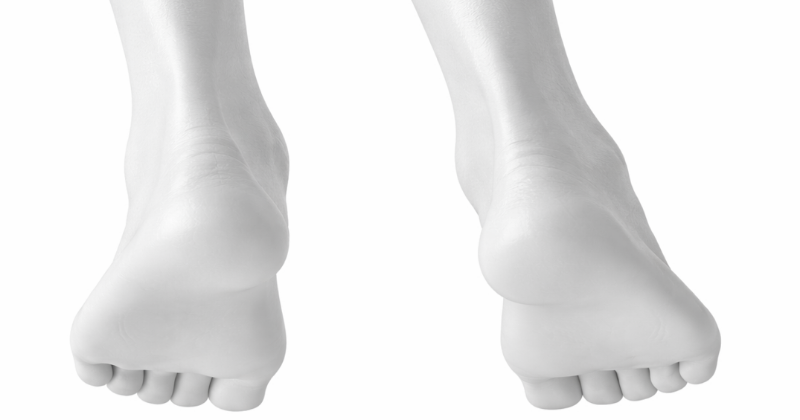
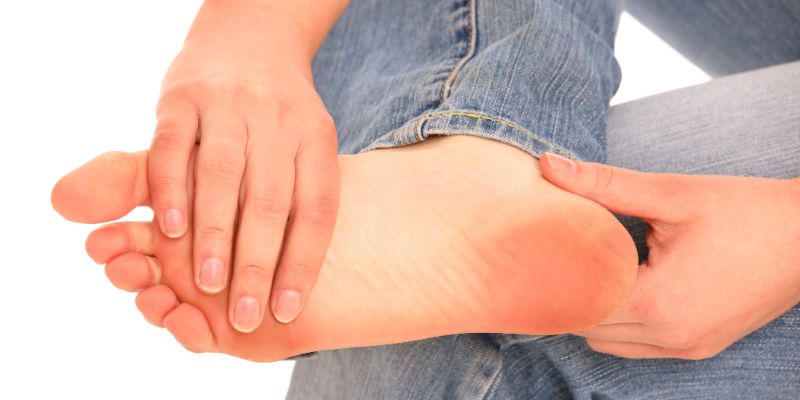
Foot pain is one of the most common and widespread problems that negatively impacts quality of life. In this guide, "Plantar Fasciotomy," you'll understand when this procedure is necessary and the possible solutions.
There are different types of foot pain, and perhaps the most complicated and difficult to resolve is plantar fasciitis.
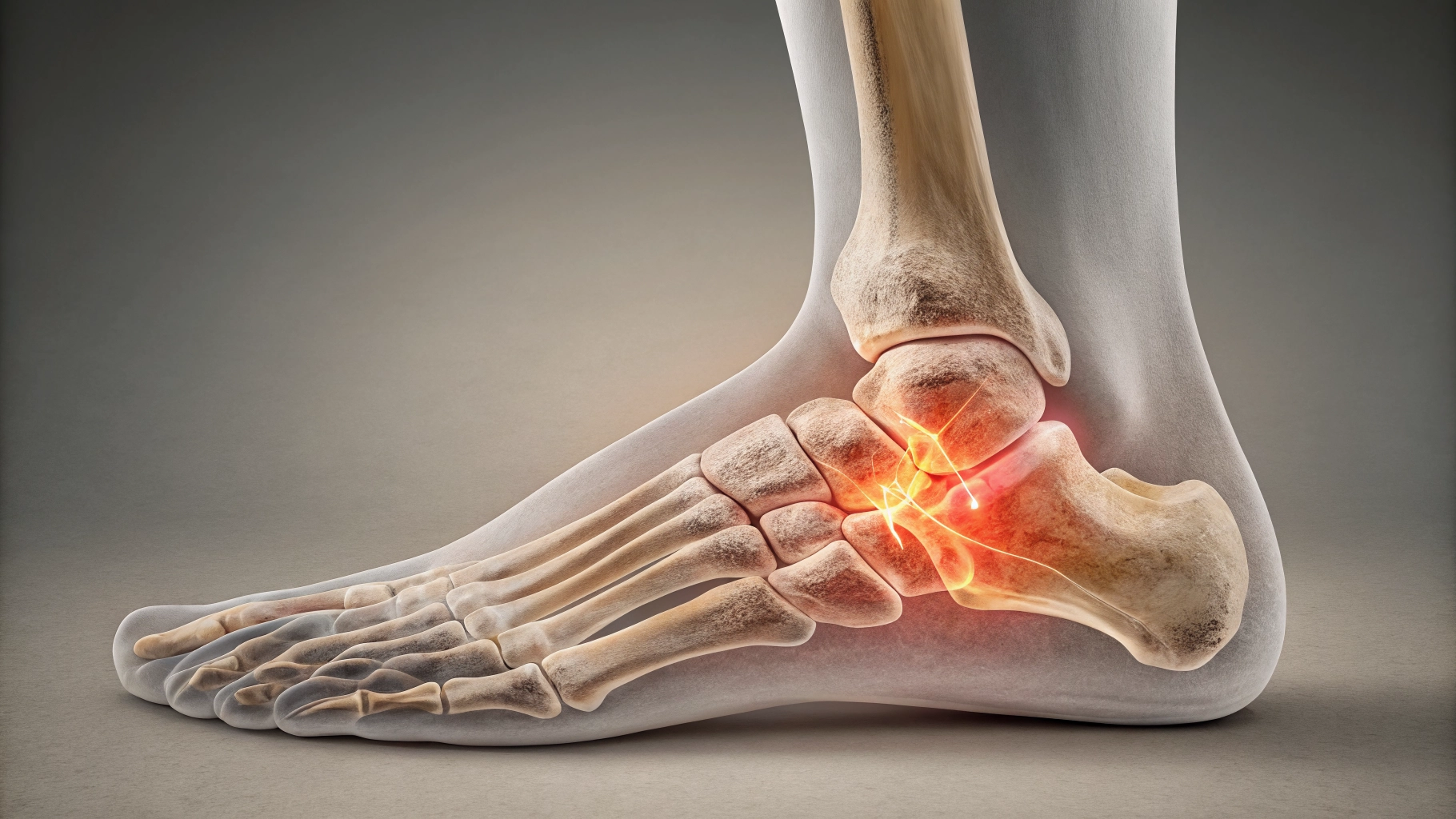
Plantar fasciitis is a painful condition that affects the sole of the foot , from the heel to the toes.
How to treat plantar fasciitis?
With conservative treatments and with more radical and invasive methods such as surgery.
In this post we will analyze together what plantar fasciitis is , what it involves and how to treat it.
Causes of Plantar Fasciotomy
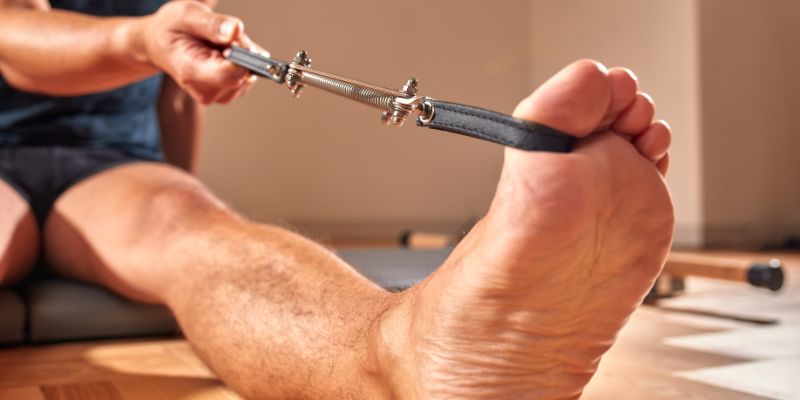
Plantar fasciitis is often caused by excessive tension on the plantar fascia.
How does this disease develop and what are the factors that trigger it?
Excessive and stressful use of the affected area is certainly a factor that does not help foot health. Activities that place a great deal of stress on the sole of the foot, such as running or standing for prolonged periods, contribute to stressing the foot and, in the long run, causing damage and problems.
Congenital conditions, such as flat feet or high arches , can also negatively impact foot health. These conditions can alter the distribution of weight on the foot, increasing stress on the plantar fascia.
Obesity should not be underestimated , because excess weight can put extra pressure on the foot and stress it even more.
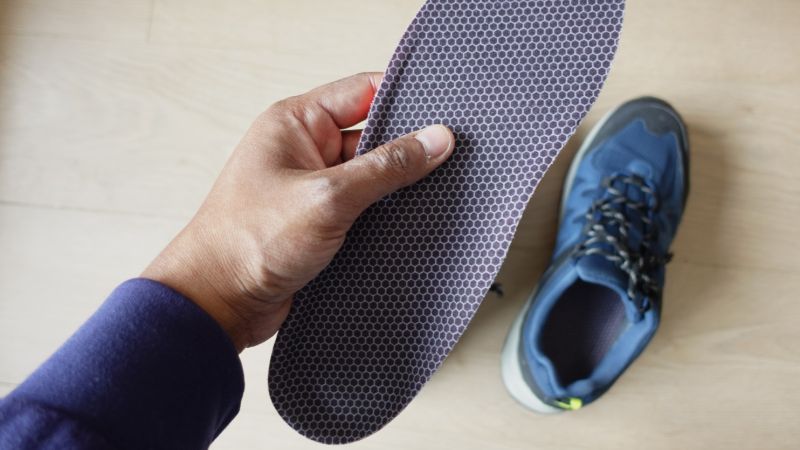
Wearing inappropriate footwear is always a risk, not only for your feet but also for your body as a whole. Shoes that don't provide adequate arch support can contribute to plantar fasciitis.
Symptoms of Plantar Fasciitis
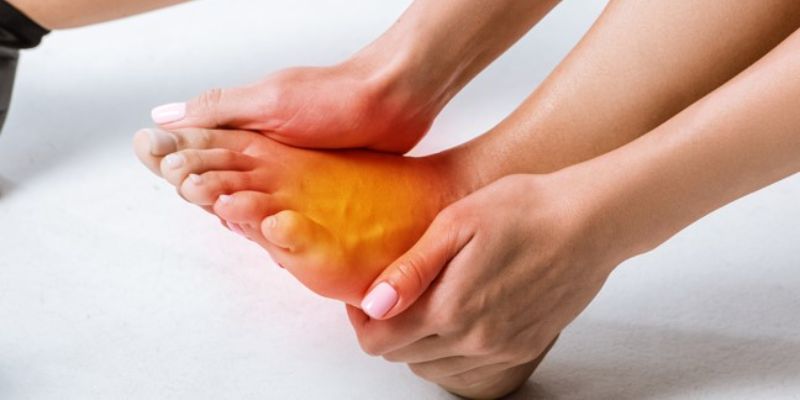
But how can you detect plantar fasciitis?
Let's listen to our body and understand the symptoms.
The main and most well-known symptoms of plantar fasciitis that are worth mentioning are:
- Pain on the entire sole of the foot: felt as a burning or stabbing sensation, which is worse in the morning or after long periods of inactivity;
- General stiffness of the foot: which results in a decrease in foot flexibility;
- Pain during physical activity: especially when running or walking long distances;
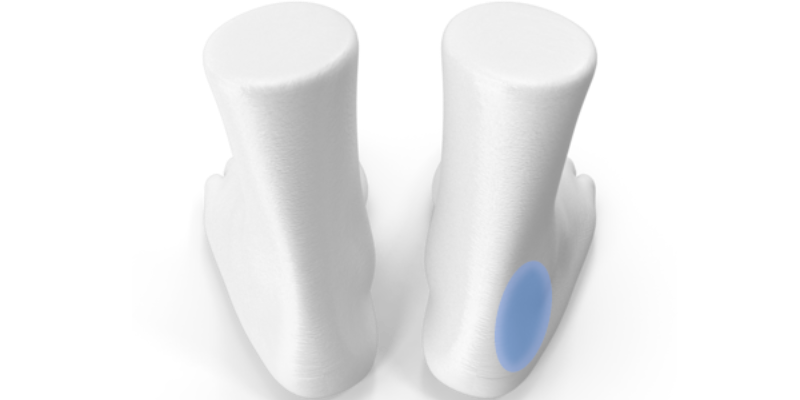
- Pain during palpation: the heel in particular can be particularly sensitive to touch, especially at the point where the sole of the foot joins the heel;
- Pain when changing shoes: pain can increase when wearing shoes that do not comply with ergonomic standards of foot comfort;
- Sensation of pinching or tearing: this is how some people describe the general discomfort in the sole of the foot;
- Swelling: in some cases swelling may occur, especially in the heel area.
When to Consider Plantar Fasciotomy?
Plantar fasciotomy is a surgical procedure that is considered when non-surgical treatments fail to resolve the problem and provide adequate relief.
It is a procedure that involves releasing tension in the plantar fascia , through a partial or complete incision of the plantar fascia.
This procedure helps reduce inflammation and associated pain, allowing the foot to heal more effectively.
Let's find out in detail what plantar fasciotomy consists of.
The Surgical Procedure
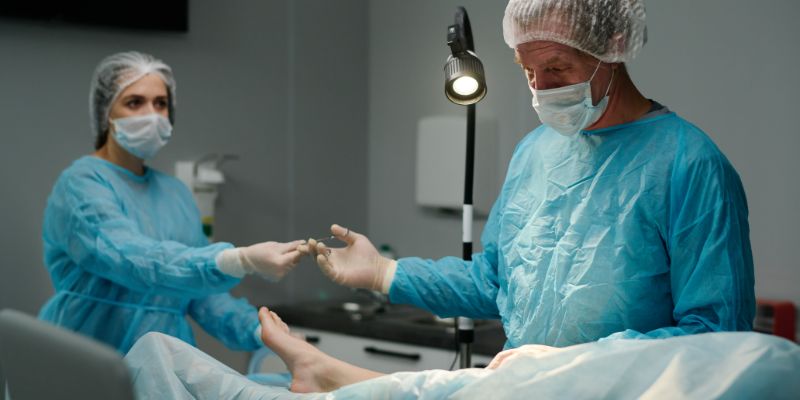
Plantar fasciotomy is a procedure that can be performed with two main approaches :
- Open fasciotomy: considered the traditional technique. The surgeon performed with a small incision on the sole of the foot, which allows it to act directly on the plantar fascia and make the right cut to reduce tension and solve the problem.
- Endoscopic fasciotomy: more modern as it is considered a minimally invasive approach; Using a small endoscope inserted through a small incision, the surgeon makes the cut, guided by real-time video, all using state-of-the-art instruments. This method is preferred because it reduces the risk of infection and speeds up the healing process.
The procedure generally lasts less than an hour and can be performed without hospitalization, a procedure known as an “outpatient” procedure.
After the operation, the patient generally immediately notices a significant reduction in pain, although full recovery actually takes a few weeks.
Rehabilitation and Recovery

Post-operative rehabilitation is a crucial part of the success of plantar fasciotomy.
Immediately after surgery, it is vital to keep your foot immobilized and elevated to reduce swelling and promote optimal healing.
This initial phase is essential to stabilize the operated area and to allow the tissues to heal without interference.
Subsequently, the patient is required to follow a personalized physiotherapy program to rehabilitate muscle strength, improve flexibility, and restore the foot's health. Physiotherapy not only aims to restore functional capabilities impaired by the pathology , but also to prevent any future recurrences.
The active involvement of the physiotherapist and surgeon is essential at this stage, as they guide the patient through the recovery process, tailoring the rehabilitation program based on the patient's individual response and specific needs.
Gradually, the patient returns to daily and sports activities , with the continuous support of the medical team, ensuring a complete and lasting recovery.
SmartHallux: an innovative solution for plantar fasciotomy

SmartHallux adopts a personalized approach for each patient , using the most advanced and least invasive surgical techniques.
SmartHallux experts carefully evaluate each patient's condition to determine the most effective treatment strategy, then relying on the use of cutting-edge technologies , such as endoscopy, reduces recovery time and minimizes complications.
Experience and expertise have made SmartHallux one of the leading clinics in the industry.
For more information about plantar fasciotomy and to schedule a consultation with specialists, visit the SmartHallux website or contact customer service.
SmartHallux experts will answer all your questions and guide you on the path to healing.
Book your appointment with SmartHallux
Don't wait any longer to find relief from foot pain.
Book your appointment today with SmartHallux and start your journey to a pain-free life.
Click here to book now and get back to walking without difficulty.