Have you ever woken up in the morning and felt that excruciating pain as soon as your foot hit the ground? Or maybe after a long walk, you feel like your foot just can't take it anymore?
In these moments, foot physiotherapy can make a difference. And I'm not just talking about massages or casual exercises—I'm talking about a scientific approach that I've seen transform the lives of hundreds of patients in my practice.
When I tell my patients that the foot physiotherapy It's crucial to the healing process, and I often get skeptical looks. "Doctor, isn't surgery enough?" No, it's not enough. Never.
What foot physiotherapy really is

**Foot physiotherapy** isn't just "moving your foot a little." It's a combination of specific techniques that help the foot regain its natural function.
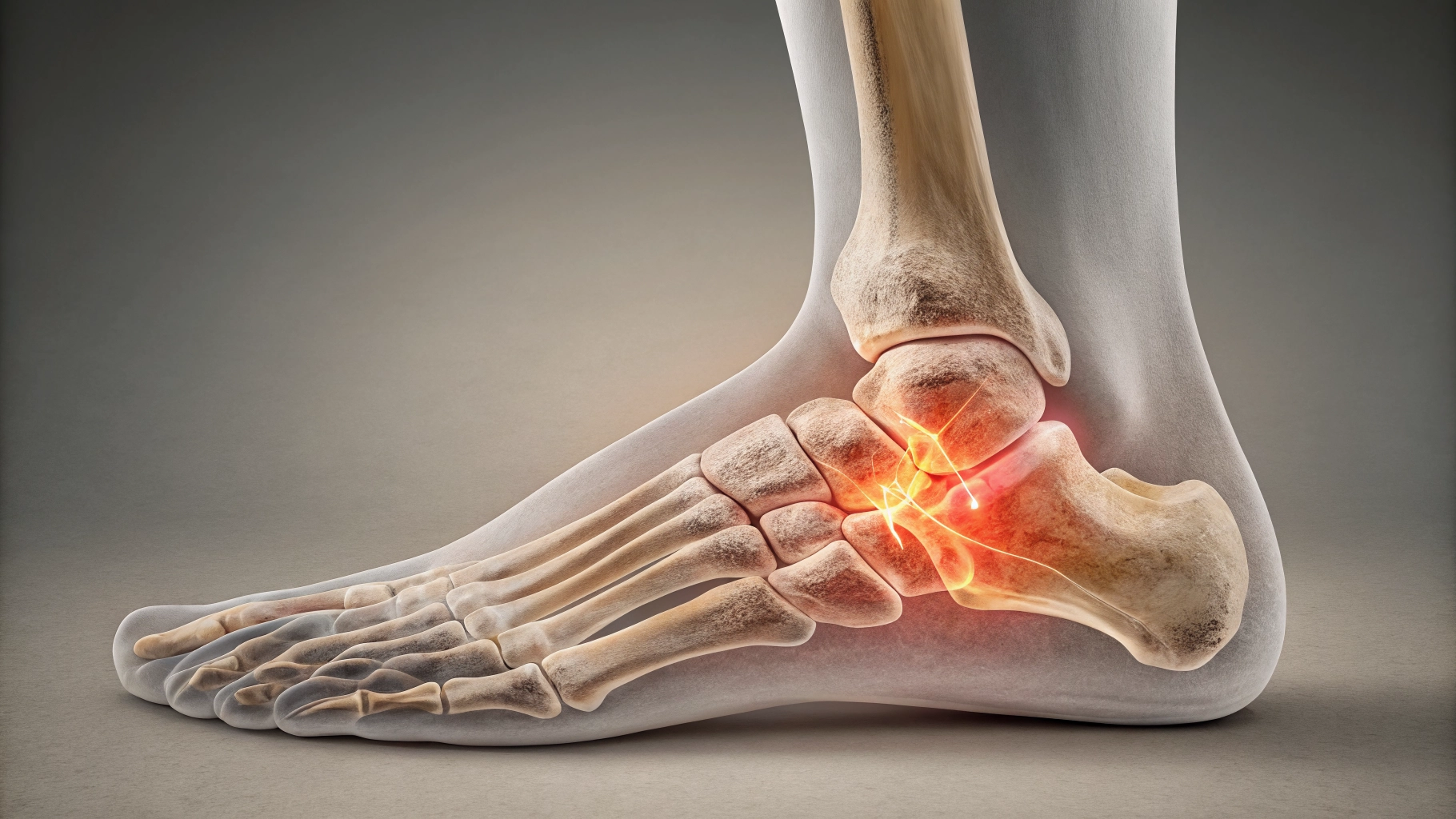
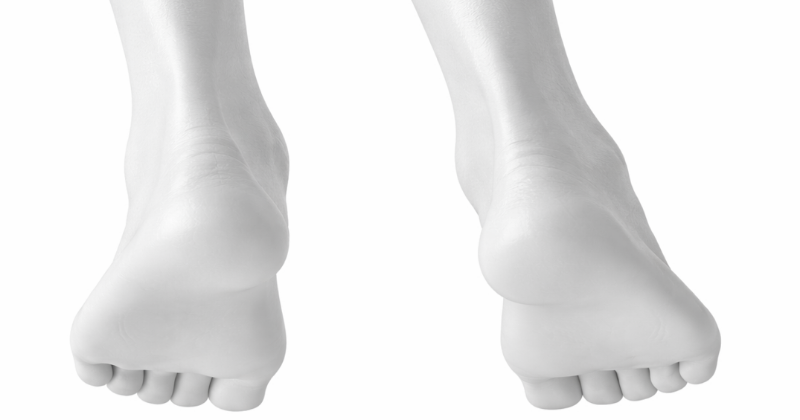
Think of the foot as a complex machine: 26 bones, 33 joints, more than 100 muscles and ligaments. When something breaks or becomes inflamed, all this biomechanical marvel goes haywire. Foot rehabilitation is designed to put everything back in order.
In my office, I see patients who come in limping with bunions, others who can no longer run due to plantar fasciitis. Some have just had surgery and are afraid to put their foot down. Physiotherapy is what makes the difference between those who return to normal life and those who are left with chronic pain.
When the foot needs help
There are countless foot conditions. Truly countless. The other day a patient said to me, "Doctor, I didn't even know so many foot problems existed!" And she was right.
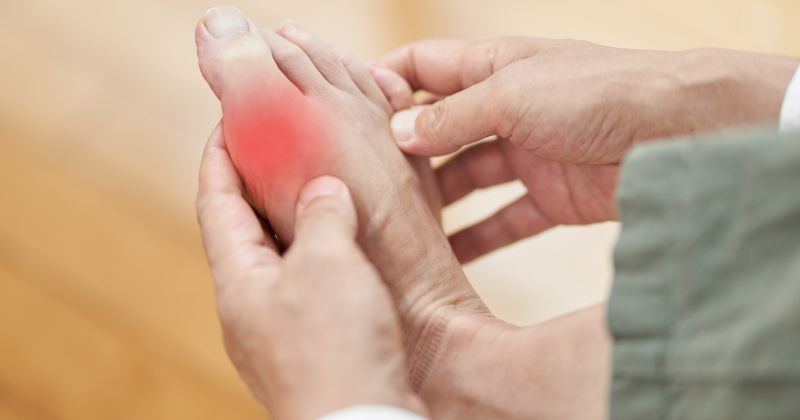
The hallux valgus It's perhaps the best-known—the deformity that causes the bone to protrude outward and makes it impossible to wear normal shoes. But there's also hallux rigidus, which is the opposite: the joint locks up and walking becomes a torture. Then we have metatarsalgia, which is that pain you feel under your toes when you walk, as if there's always a stone in your shoe.
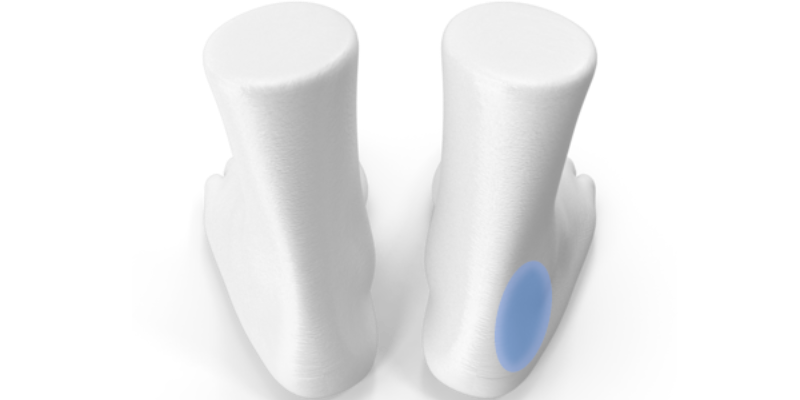
Plantar fasciitis? A classic. That pain in your heel that makes you curse every morning when you get out of bed. The Achilles tendon that suddenly ruptures during a soccer game—I've seen forty-year-old men cry over it.
Let's not forget ankle arthritis, Haglund's disease (that painful bump behind the heel), heel spurs, and Morton's neuroma. And in children? Brachymetatarsia, when one toe is shorter than the others.
How we work with physiotherapy
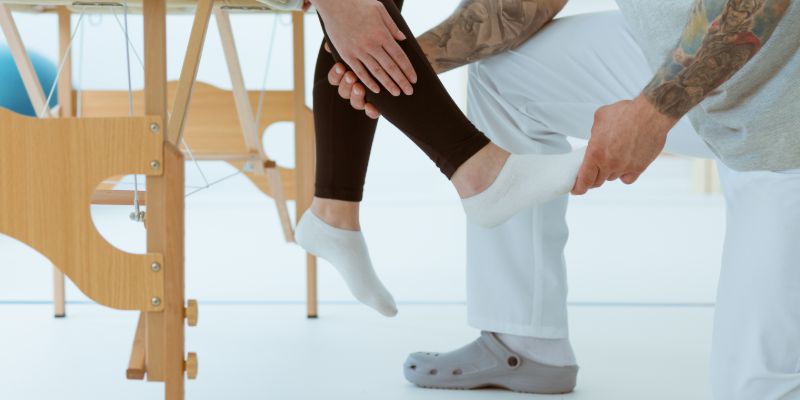
Foot physiotherapy isn't a one-size-fits-all protocol. Every foot is different, every patient has their own story. When I assess a patient, I first observe how they walk, how they land, and where they feel pain.
Joint mobilization exercises are essential. It may seem trivial, but after trauma or inflammation, the joints in the foot become "glued together." They need to be re-educated to move, slowly, with patience.
Muscle strengthening is equally important—the muscles of the foot are small but incredibly powerful, and when they weaken, everything else suffers. Proprioceptive exercises, on the other hand, serve to re-teach the brain where the foot is in space. It may seem strange, but after an injury, the body "forgets" how to use that part correctly.
I love manual techniques. With your hands, you can feel the tension, the adhesions, the sore spots that even an MRI can't pinpoint. And then there are physical therapies: laser, ultrasound, electrotherapy. They're not magic, but they work when used correctly and at the right time.
After the surgery: the real work begins now

"Doctor, will I be able to walk right away after the operation?" Everyone asks me this question. The answer is: it depends. But above all: the operation is just the beginning.
Post-operative foot rehabilitation follows precise but personalized protocols. For a bunion, for example, we begin with gentle mobilization exercises after just a few days, then gradually add strengthening exercises. The timing? Variable. I have patients who are walking normally in three weeks, others who take two months.
The important thing is not to rush. The foot is a delicate structure, and rushing it often means starting over. I've seen patients who, in a rush to get back to running, have created problems that last for years.
Prevention is better than cure (even for feet)
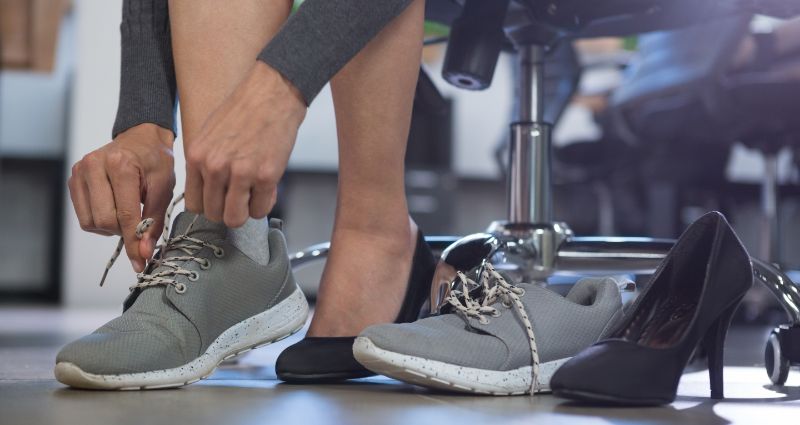
Do you know what's most frustrating for an orthopedic surgeon? Seeing patients arrive with avoidable problems. Plantar fasciitis, for example, often arises from wearing the wrong shoes or from sudden overloading.
Feet need to be treated well: comfortable shoes (not necessarily attractive, unfortunately), regular stretching, and mindful of your body weight. And if you exercise, do it gradually. You can't go from couch potato to marathon in three weeks.
SmartHallux: Where we can help you

Dr. Luigi Manzi, who has gained specific experience in this field, follows each patient with a personalized path using the most modern techniques.
The SmartHallux team treats conditions such as hallux valgus , Morton's neuroma , and other deformities that cause foot pain. Providing comprehensive support throughout the treatment process, SmartHallux can be a winning choice for effective treatment tailored to your needs. Book your specialist consultation with the SmartHallux team now.
Our philosophy is simple: minimally invasive surgery when necessary, rehabilitation always. We work with specialized physiotherapists who are fully familiar with our surgical techniques and know how to optimize recovery time.
FAQ
How long does a foot physiotherapy session last?
There's no standard answer. For a simple sprain, 3-4 weeks may be enough; for a bunion surgery, it can take up to 2-3 months. The important thing is not to give up halfway.
Does physiotherapy hurt?
No, on the contrary. You may feel some discomfort at first; that's normal when you're reactivating an area that's been inactive. But you shouldn't feel any real pain. If it hurts, tell your physiotherapist immediately to adjust the intensity.
Can I do physical therapy at home?
Some exercises, yes, but the first sessions should be guided by a professional. The foot is complex, and an incorrect movement can make the situation worse rather than better.