
Foot and big toe: when our most important toe makes us suffer
The big toe carries much of the load when we walk, so bunions, hallux rigidus and other conditions affect every step. Big toe problems and their treatment.
By Dr. Luigi ManziUpdated on
You know, the big toe is probably the most underrated toe. Until it starts causing problems.
Then it suddenly becomes the center of attention, reminding us of its presence with every step. And believe me, after years of seeing patients with foot problems, I can tell you that when the big toe isn't right, the entire gait suffers.
Foot and bunions are just one of the conditions I see most often in my practice, but they're not the only ones. You may have heard the term "bunion" used generically—in reality, this term encompasses several conditions that can affect our largest toe. Let's take a look at what can happen and, more importantly, what we can do.
What does it mean to have problems with your big toe?
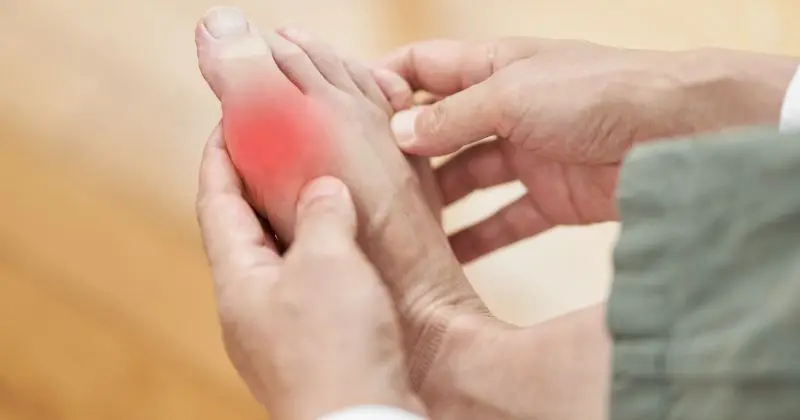
When we talk about big toe conditions, we need to immediately clarify one thing. The big toe isn't just "just another toe."
It's the cornerstone of our propulsion as we walk. Consider that with every step, our body weight transfers from the heel to the toe, and the big toe must withstand a force that can be up to twice our body weight when we run.
That's why when he gets sick, we feel it so much.
Hallux valgus is probably the best-known problem—the one we commonly call "bunion." But there are also hallux rigidus (when the joint becomes locked), inflammation of the big toe, and ingrown toenail problems that can affect the entire toe. Each of these conditions has its own specific characteristics.
Why does it happen? The most common causes
The question all patients ask me is always the same: “Doctor, why me?”
Well, the causes of bunions and other big toe conditions are diverse, and often combined. Genetic predisposition plays a significant role—if your mother or grandmother had bunion problems, you've likely inherited a foot shape that predisposes you to the problem.
Ill-fitting footwear is another crucial factor. And here I have to say something that many women won't like: high heels and pointed shoes are not friends of our feet. After all, forcing your big toe into an unnatural position for hours every day, year after year, will eventually take its toll.
Arthritis can also affect the big toe joint, causing pain and stiffness. I've seen patients with big toe arthritis who struggled even to bend over to tie their shoes.
Other causes? Trauma, congenital deformities, certain neurological diseases. In short, the poor big toe can suffer for many different reasons.
Symptoms You Shouldn't Ignore

Big toe pain is the most common symptom, but it's not always the same. Some patients describe a dull, constant pain. Others describe a sharp stabbing pain when walking.
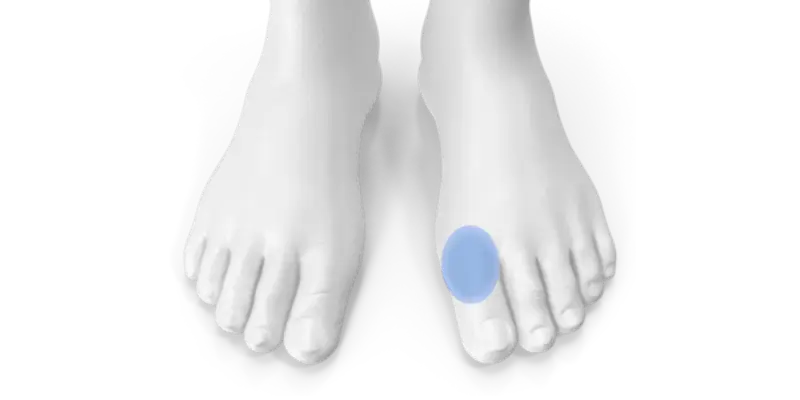
In the case of hallux valgus, the deformity is often visually evident—the big toe deviates inward, sometimes overlapping the second toe. This causes the lateral bony protrusion we all know as a "bunion," which can become inflamed, red, and painful.
Difficulty walking is another significant symptom. Patients tell me they've had to change their shoes, avoid long walks, and feel discomfort, especially in the morning, when they put their foot down.
When the big toe is stiff, however, the main problem is loss of motion. The toe no longer bends as it should during walking, causing an altered gait that can also lead to pain in other parts of the foot or leg.
How we arrive at the diagnosis

In the studio, the first thing I do is watch you walk. It seems trivial, but I can tell a lot just by the way you place your foot.
Then comes the actual physical examination: I palpate, move the toe, and check exactly where it hurts. With hallux valgus, a simple look is often enough to make a diagnosis, but it's also important to assess the degree of deformity and, above all, how mobile the joint is.
Foot x-rays are almost always necessary. They allow me to see the precise angles of the bones, assess whether there is arthritis in the joint, and plan any surgical intervention.
In some cases, an MRI may also be necessary, especially when I suspect problems with the soft tissue around the big toe or when the symptoms are unclear.
Treatment options

Now we come to the most important point: what can we do to solve the problem?
For bunions and other big toe conditions, we have several options available. Conservative treatment is always the first choice whenever possible. Custom-made insoles, appropriate shoes, anti-inflammatory medications, and specialized physiotherapy are all available.
But when the pain becomes unbearable or the deformity is very advanced, surgery becomes necessary. And here, technique really makes the difference.
The SmartHallux technique we use is minimally invasive—meaning very small incisions, less tissue trauma, and a quicker recovery. It's not magic, mind you, but the results I see are significantly better than traditional techniques.
The surgery involves realigning the big toe, correcting the bone deformity, and removing any exostoses (those bony protrusions that cause pain). Each case is different, of course. Some patients need to correct only the big toe; others have multiple deformities that require a more complex approach.
Post-surgery: realistic expectations
“Doctor, how long does it take to heal?” This is the question everyone asks me, and the honest answer is: it depends.
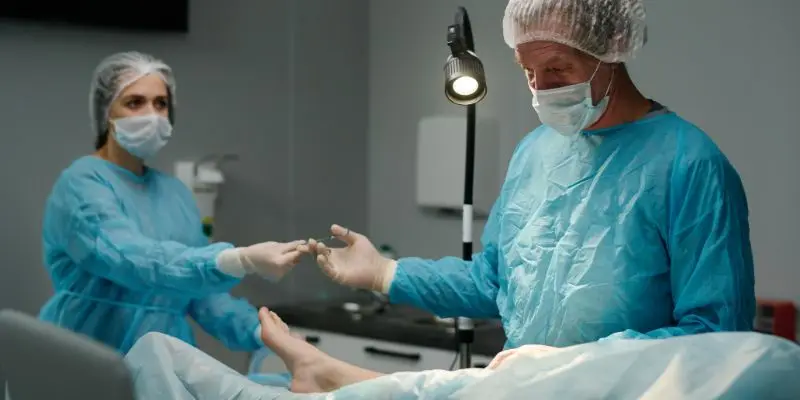
With the SmartHallux technique, patients are usually able to walk the day after surgery with a special shoe. Swelling can last for several weeks, and patience is required for the foot to fully settle.
Most of my patients return to wearing regular shoes after 4-6 weeks, but for intensive sports activities, you may need to wait a few more months. And yes, you can wear heels again, but in moderation!
Prevention: better safe than sorry
As always in medicine, prevention is better than cure. And there are concrete things you can do for your bunion.
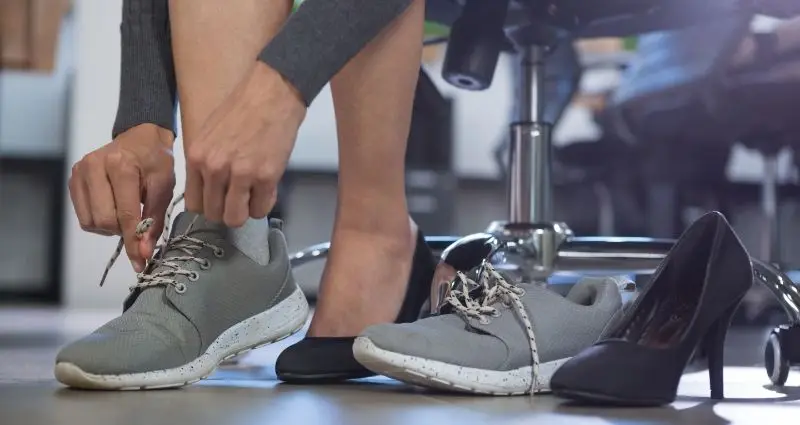
First, shoes. Choose comfortable shoes with a wide toe that don't constrict your toes. Heels? Okay every now and then, but not every day, and not too high.
Foot exercises are very helpful. Stretches, toe movements, proprioception exercises. They don't require much time; just 10 minutes a day is enough.
Weight control is important because the more you weigh, the more stress you put on your feet. It's not a cosmetic issue, it's purely mechanical: less weight, less pressure on the big toe.
SmartHallux: Where we can help you

Here at SmartHallux, we specialize in foot and ankle surgery. Dr. Luigi Manzi, who has extensive experience in this field, provides each patient with a personalized treatment plan using the most modern techniques.
We take a truly comprehensive approach: from the first visit to full recovery, each patient has a customized treatment plan. We don't perform mass-produced surgeries, but rather evaluate the best solution on a case-by-case basis.
The SmartHallux team treats conditions such as hallux valgus , Morton's neuroma , and other deformities that cause foot pain. Providing comprehensive support throughout the treatment process, SmartHallux can be a winning choice for effective treatment tailored to your needs. Book your specialist consultation with the SmartHallux team now (opens in a new tab).
Questions you often ask me
Can my bunion get worse if I don't operate on it?
Unfortunately, yes, bunions are progressive. They don't improve on their own; in fact, they tend to worsen over time. This is why it's important not to wait too long until the problem becomes debilitating.
How much does hallux valgus surgery cost?
Costs vary based on the type of intervention required and the facility. At SmartHallux, we strive to offer competitive prices, significantly lower than the market average of €9-€10.000. But the most important thing is to choose based on quality, not just price.
Can I operate on both feet at the same time?
Technically, yes, but I generally advise against it. It's better to operate on one, wait for complete healing, and then, if necessary, operate on the other. Rehabilitation is simpler and the results are better.
Will I be able to go back to sports after surgery?
Absolutely! In fact, patients often return to activities they had to abandon due to the pain. Obviously, it's important to wait for the right amount of time for healing.