
The role of genetics in foot brachymetatarsia
In this article, we'll discuss the role of genetics in brachymetatarsal foot, how it can be identified, and what treatment options are available.
By Dr. Luigi ManziUpdated on
In this article, we'll discuss the role of genetics in brachymetatarsal foot, how it can be identified, and what treatment options are available.
Although uncommon, brachymetatarsia of the foot results in the abnormal development of the metatarsals, the longest bones in the foot. This results in a significant reduction in the length of one or more of these bones, which leads to aesthetic and functional problems. Quality of life is certainly affected due to the difficulty in walking and performing daily activities without pain.
Several studies have found that genetic factors play a significant role in the onset of brachymetatarsia . In the presence of these factors, the likelihood of developing this condition increases significantly, especially if there is a family history of this malformation.
Brachymetatarsia: genetic factors and heredity
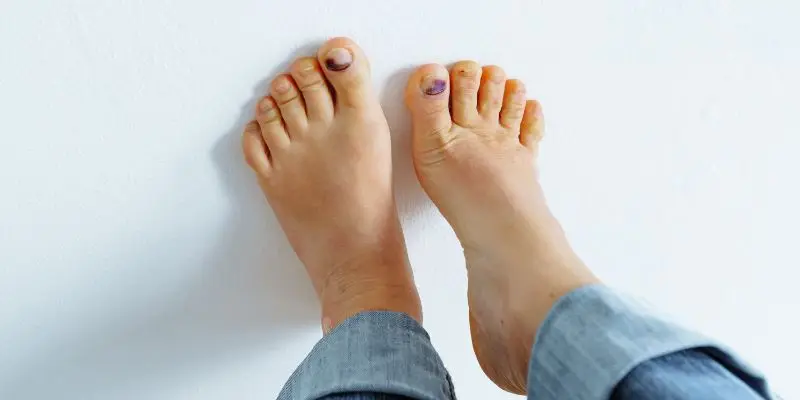
As we mentioned, brachymetatarsia of the foot is a condition in which the bones between the ankle and the toes, usually long, are actually short. It is a rare condition that can occur in one or both feet. It often affects the fourth metatarsal.
At the genetic level, brachymetatarsia occurs due to mutations in the genes responsible for bone growth and development. This causes the abnormal development of one or more metatarsals. While the exact genetic transmission pattern may vary, understanding which genes are involved helps doctors more accurately diagnose the condition and develop the most appropriate treatments.
Understanding whether or not there are hereditary factors involved in the development of brachymetatarsia can predict the possibility of the condition being passed on to future generations . Some studies have found that the malformation is caused by autosomal dominant inheritance . This means that a parent with brachymetatarsia has a 50% chance of passing it on to their children, regardless of gender.
Role of genetics and hereditary transmission

Brachymetatarsia is therefore closely linked to genetic factors. Medical research has identified specific genes that, once mutated, disrupt the normal development of the foot bones.
The genes in question play a fundamental role in bone growth, as well as in the correct alignment of the metatarsal bones during growth. A thorough understanding of the genetic mechanisms will enable us to develop appropriate preventive and therapeutic strategies.
As previously mentioned, this condition is often inherited in an autosomal dominant manner. A single mutated allele is sufficient to develop brachymetatarsia.
However, there are cases in which it occurs sporadically. This suggests that environmental factors or new mutations play a key role. All families with a past or present history of foot brachymetatarsia should consult a geneticist to determine whether there is a real risk of the condition developing in their offspring.
Scientific studies and evidence on brachymetatarsia

In recent years, several studies have attempted to understand the correlation between genetics and brachymetatarsia. Entire families have been tested to determine the existence of inheritance patterns for the condition, and then to identify the genes involved.
In some studies , DNA has been sequenced to identify the possible causative mutations. This is done to better understand foot brachymetatarsia and then find the most effective individual treatments.
Conclusions

As we've seen, genetics and brachymetatarsia are closely linked. Understanding the hereditary dynamics behind the condition's onset can aid medical diagnosis and best manage affected individuals early and effectively.
It's important for those suffering from this condition to consult foot and ankle orthopedic specialists, not podiatry, for a thorough evaluation and to discuss possible treatment options. Medical research must also continue to investigate the correlation between genetic factors and brachymetatarsia.