
Bone Geode: Everything You Need to Know About This Cystic Formation
Sometimes, persistent joint pain or limited movement may hide something less well-known but significant: a geode.
By Dr. Luigi ManziUpdated on
Sometimes, persistent joint pain or limited movement can hide something less well-known but significant: a geode . This condition is often discovered by chance, through an X-ray or MRI. But what does it really mean?
What is a bone geode?
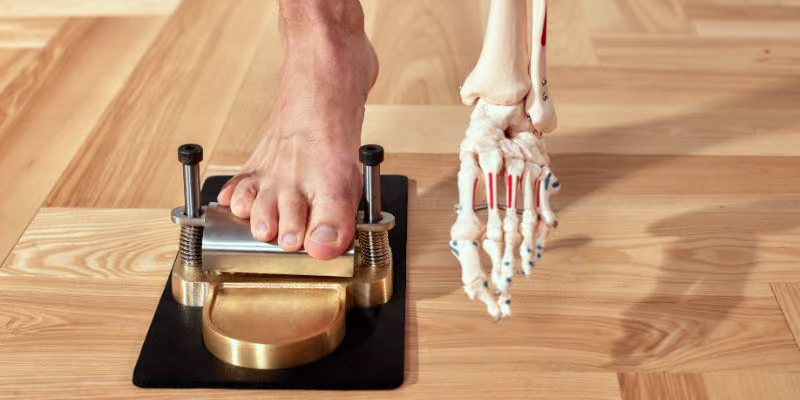
A bone geode is a cavity that forms within the bone, often filled with synovial fluid, fibrous tissue, or, in some cases, air. It appears as a dark area within the bone and is a geodic formation that can appear following degenerative, inflammatory, or traumatic processes.
These geode formations are common in joints affected by osteoarthritis, but can also appear in young athletes or in those who have suffered repeated microtraumas.
What are the symptoms?
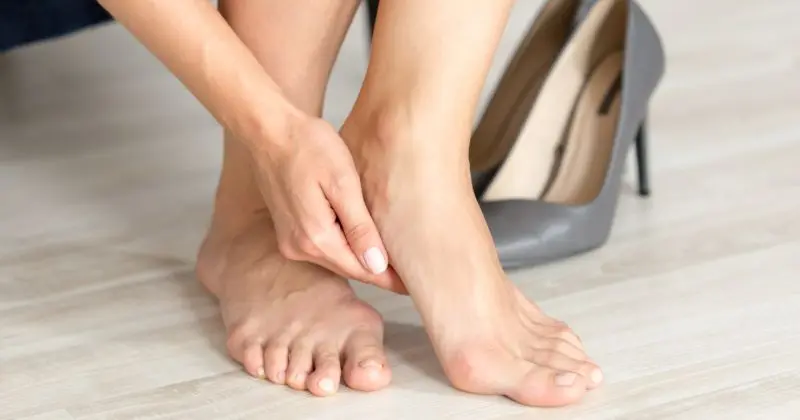
In many cases, a geode is asymptomatic . It is discovered by chance, during checkups for other reasons. However, when it is large or located in weight-bearing areas (such as the ankle or heel), it can cause:
- Pain localized
- Swelling
- Rigidity
- Difficulty in joint movements
Diagnosis: how is it identified?

Diagnosis is made through imaging tests , primarily X-rays, CT scans, or MRIs. It's essential to consult an experienced specialist who can distinguish a geode from other bone lesions (such as cysts or tumors).
Treatment: surgery is not always necessary
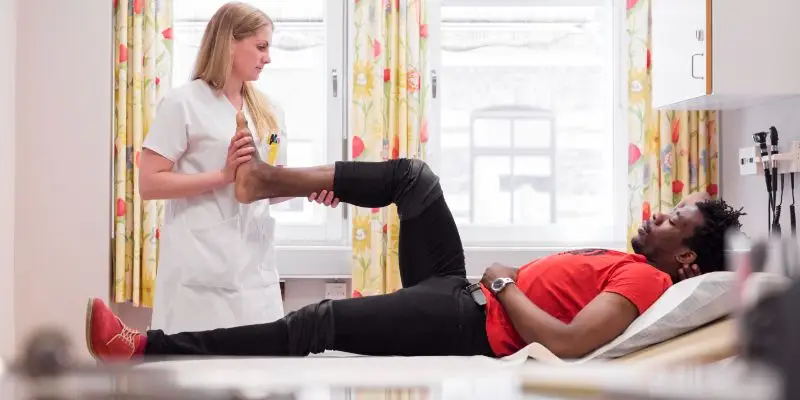
Treatment varies depending on the location , size , and presence of symptoms . In many cases, a conservative approach is started:
- Anti-inflammatory drugs
- Targeted physiotherapy
- Controlling the load on the joint
When the geode formation compromises functionality or causes chronic pain, surgery may be necessary , even minimally invasive. Modern techniques allow for precise geode treatment, reducing recovery time.
SmartHallux: Bone Geode in the Ankle and Achilles Tendon
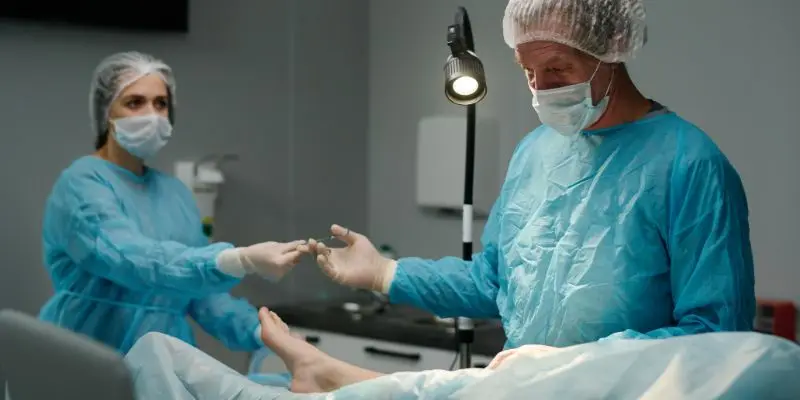
When the geode hits delicate areas like the ankle or Achilles tendon , treatment must be even more careful. These areas are constantly stressed, and a bony cavity can alter proper support or promote tendon ruptures.
SmartHallux has developed an Achilles tendon emergency service , ideal for timely treatment of associated complications, even in the presence of bone geodes.
The SmartHallux team treats conditions such as hallux valgus , Morton's neuroma , and other deformities that cause foot pain. Providing comprehensive support throughout the treatment process, including post-operative recovery, SmartHallux can be a winning choice for effective treatment tailored to your needs. Book (opens in a new tab) your specialist consultation with the SmartHallux team now.
FAQ
What is a bone geode?
A cystic cavity within the bone, often caused by joint degeneration or microtrauma.
Is surgery always necessary?
No. In many cases, physiotherapy and medication are sufficient. Surgery is reserved for the most severe or symptomatic cases.
How do you treat a geode on your ankle?
It depends on its location. Conservative treatments are recommended first; if they fail, surgery is considered.