
Hallux Valgus in Children: When to Worry and What to Do
Hallux valgus (bunion) in children is often linked to flexible flat feet. How to recognize it early, when to see a specialist and the treatment options.
By Dr. Luigi ManziUpdated on
Have you ever noticed your child walking strangely? Or complaining about his foot?
Many parents come to my office worried because they've noticed something different about their child's big toe. "Doctor, it looks crooked," they often say. And they're right to be careful, because bunions in children are more common than you might think.
Hallux valgus in children is a condition I see quite frequently. It's not a serious condition, mind you. But it's important to recognize it early to intervene appropriately.
What exactly is hallux valgus in children?
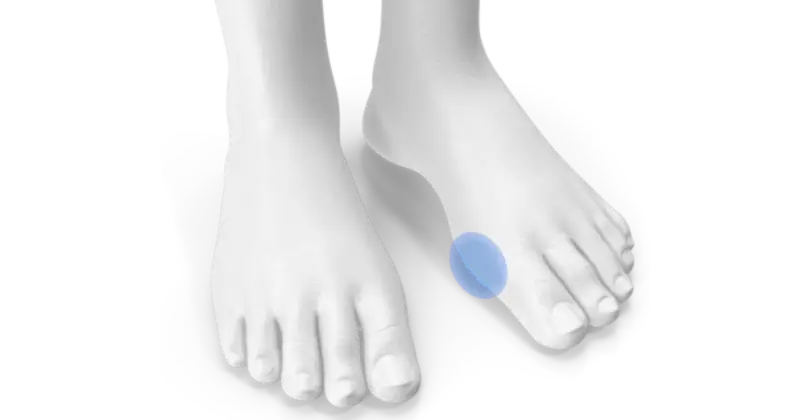
So, let's clarify. Hallux valgus is a condition where the big toe—the "big finger," so to speak—leans toward the other toes. The bone that supports the big toe shifts toward the inside of the foot, creating that characteristic protrusion on the inside.
The situation is unique in children because the foot is still growing. This is different from that of adults, where we often see more obvious and painful deformities.
Interestingly, in young children, it can be difficult to distinguish between a true hallux valgus and what we call "physiological hallux valgus"—that is, normal for their age. This is why a trained eye is needed.
Why does it happen? Causes of bunions in children

This is the question all parents ask me. “But why did this happen to my son?”
Genetics plays a significant role, that's true. If there's a family history of bunions, the likelihood increases. But it's not just a matter of DNA.
The wrong shoes are a serious problem. I see too many children wearing tight shoes, with pointed toes, or worse, with cleats as early as 6 or 7 years old. A child's foot needs space. It needs to grow freely.
Then there are children who play intense sports very early. Not that sports are bad for them, on the contrary! But soccer, ballet, and gymnastics—if practiced intensively—can stress the still-developing structures of the foot.
Sometimes, more rarely, bunions in children can be related to conditions such as severe flat feet or neuromuscular problems. In these cases, obviously, the approach is different.
The signs not to be underestimated

The first symptoms of hallux valgus in children usually appear between the ages of 4 and 8, but every child is different.
The first sign is often visual: that small "bump" that appears on the inside of the foot, near the big toe. It may be barely noticeable at first.
Then pain may set in. "Mommy, my foot hurts"—especially after running or playing a lot. Redness and swelling around the joint are other warning signs.
Some children begin to walk differently. They may notice that they avoid planting their feet properly, or that they often take off their shoes, claiming they are uncomfortable.
How do I make the diagnosis in the office?

When a child arrives with suspected hallux valgus, my assessment begins even before he takes off his shoes.
I look at how he walks, how he places his feet, and if he has a particular posture. Then I examine his foot from all angles, assessing the mobility of his toes and the shape of his arch.
X-rays aren't always necessary for young children, but they sometimes help better understand the condition of their bones and joints. It depends on their age and the severity of what I see.
An important point: in children under 4-5 years old, what often appears to be a bunion is actually normal. A toddler's foot is still very "soft" and may appear deformed when in reality it is only growing.
What we can do: Treatments for children's bunions
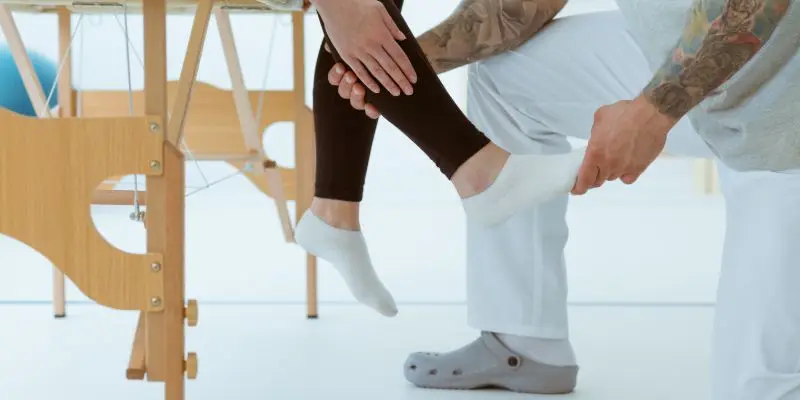
The good news is that in children we have many intervention options, often non-surgical.
For mild cases, choosing the right shoes is essential. Shoes with a wide toe, flexible soles, and the right size (never buy shoes "to grow with"!). I know it costs more to change shoes frequently, but a child's foot grows quickly and needs adequate support.
Specific exercises work very well for children. Exercises to strengthen foot muscles, improve balance, and keep joints flexible. They're simple, often seem like games, and children enjoy doing them.
Custom insoles can be helpful, especially when you also have flat feet. They're not always necessary; it depends on the specific case.
Surgery in children is reserved for very specific and severe cases, usually after age 8-10, when the foot is more mature. But we're talking about very low percentages.
Recovery and expectations
I have to be honest with parents here. With young children, we often see significant improvements, but it takes time and consistency.
Typically, with the right conservative treatment, I see improvements after 3-4 months. The pain decreases, the deformity stabilizes or improves slightly. We don't always return to complete normality, but the important thing is to halt the progression and maintain foot function.
Kids are amazing because they adapt quickly to changes. New shoes, exercises, insoles—after some initial resistance, they usually cooperate well.
How to prevent bunions in children
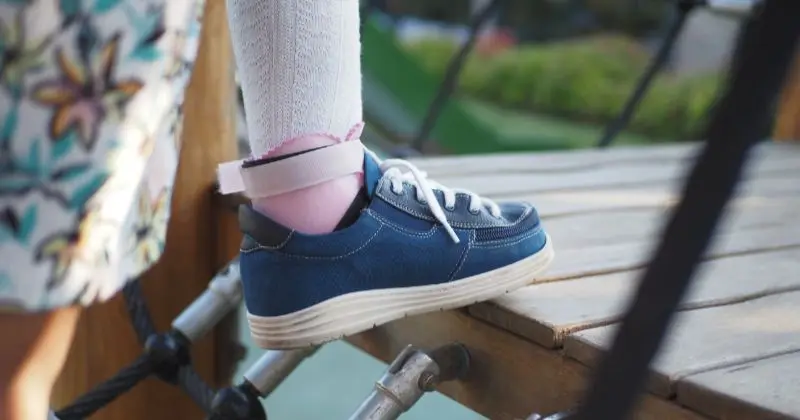
Prevention begins with choosing the first pair of shoes. Avoid shoes that are too stiff, too tight, or have pointed toes. Little feet need to move freely.
Let children walk barefoot whenever possible. Indoors, in the garden, on the sand. Barefoot develops muscles and proprioception better.
Be careful with overly intense sports too early. Exercise is beneficial, but in moderation and with appropriate footwear.
If you notice something strange, don't wait. The sooner you intervene, the better the results.
SmartHallux: Where we can help you

Dr. Luigi Manzi, who has gained specific experience in this field, treats each patient—including children—with a personalized treatment plan using the most modern techniques.
We work extensively with children and families, because we know how important a gentle and compassionate approach is with the little ones.
The SmartHallux team treats conditions such as hallux valgus , Morton's neuroma , and other deformities that cause foot pain. Providing comprehensive support throughout the treatment process, SmartHallux can be a winning choice for effective treatment tailored to your and your child's needs. Book your specialist consultation with the SmartHallux team now (opens in a new tab).
FAQ
At what age can hallux valgus surgery be performed on children?
Surgery for bunions in 10-year-olds is possible, but I only consider it in very severe cases and when all other treatments have failed. We usually prefer to wait until the foot is more mature, around 12-14 years old.
Do natural remedies for bunions in children really work?
Conservative remedies—the right shoes, exercises, and insoles—are very effective for children. "Natural" in the sense that they're non-invasive, yes. But they must be properly prescribed by a specialist.
My son is 6 years old and his big toe seems crooked. Is this serious?
Not necessarily. At 6 years old, the foot is still developing. Often, what appears to be a bunion in children is a normal growth phase. It's important to get checked out for a proper evaluation.