
Heel spur exercises: how to prevent, treat, and rehabilitate it
Heel spur exercises stretch the plantar fascia and calf to ease pressure on the heel. Which ones help, which to avoid, and when exercises are not enough.
By Dr. Luigi ManziUpdated on
What is heel spur ? In this article, titled “Heel spur exercises,” we'll explore how to prevent and treat it.
This is an abnormal bony growth that develops on the underside of the heel, at the insertion point of the plantar fascia. It is often associated with plantar fasciitis , an inflammatory condition affecting the connective tissue of the foot. Although it may be asymptomatic, in many cases it causes pain and difficulty walking.
How to notice if you have a heel spur?

The main symptom is heel pain, which is more severe in the morning or after long periods of rest. The pain may be sharp or dull and may radiate along the arch of the foot. Other symptoms include:
- Sensitivity and stiffness in the heel area.
- Localized swelling and inflammation.
- Worsening of pain after prolonged physical activity.
What are the causes and risk factors for heel spur development?

Heel spurs develop due to excessive stress on the heel area, often caused by lifestyle or activities. Athletes (especially runners and basketball players) often suffer from this condition.
The same applies to those who wear inappropriate footwear, without arch support, or those who have foot abnormalities, such as flat feet or very accentuated arches.
Finally, the prevalence is higher among overweight and obese subjects, as in them the pressure on the heel increases and, consequently, inflammation.
Heel spur prevention and possible treatments
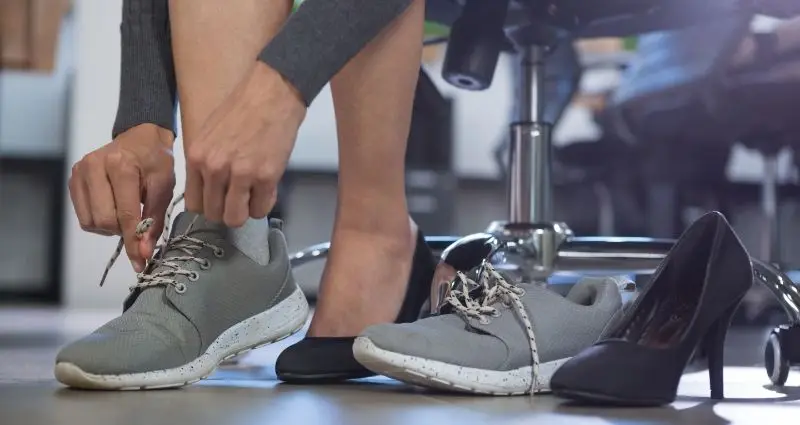
To reduce the risk of developing a heel spur, it is recommended:
- Wear shoes with adequate arch support.
- Practice stretching exercises for the plantar fascia and foot muscles.
- Avoid overloading the foot by distributing physical activities evenly.
If treated early and the heel spur is not yet too serious, it can be successfully treated with conservative therapies.
These are a series of measures that can be adopted at home independently, although monitoring by a doctor is always recommended.
Among the most common are:
- Rest: Reduce physical activity and limit daily activities that are stressful for the feet;
- Ice packs: reduce swelling and inflammation;
- Exercises recommended and agreed upon with the doctor: stretching aimed at the plantar fascia and calf muscles;
- Use of orthotic insoles: very useful for providing support and above all for distributing the body's weight evenly on the foot;
- Taking anti-inflammatory drugs: they help fight pain and inflammation.
Obviously, every therapy and every course of action must be evaluated and agreed upon with a doctor. Treatments are not the same for everyone; they must be personalized based on both the stage of the disease and the patient's health.
Physiotherapy and exercises for heel spurs
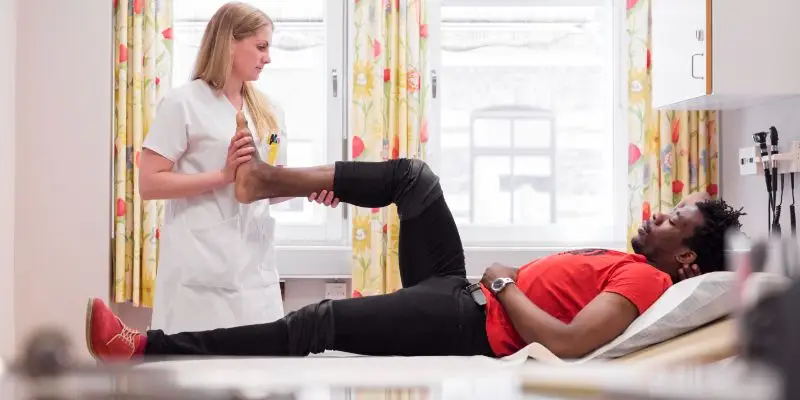
Physiotherapy is essential in the treatment of heel spurs and may include massage and manual therapies to reduce muscle tension, and extracorporeal shock waves, which are useful for stimulating tissue healing.
Therapeutic exercise and stretching are very helpful in treating this condition. Those suffering from heel spurs can perform calf stretching exercises (for example, placing your foot on a tennis ball or an ice-cold water bottle and sliding it back and forth), strengthening exercises (try raising your heel on a step to increase foot strength), and joint mobilization exercises (simple circular movements of the ankle help improve flexibility).
When is surgery needed?
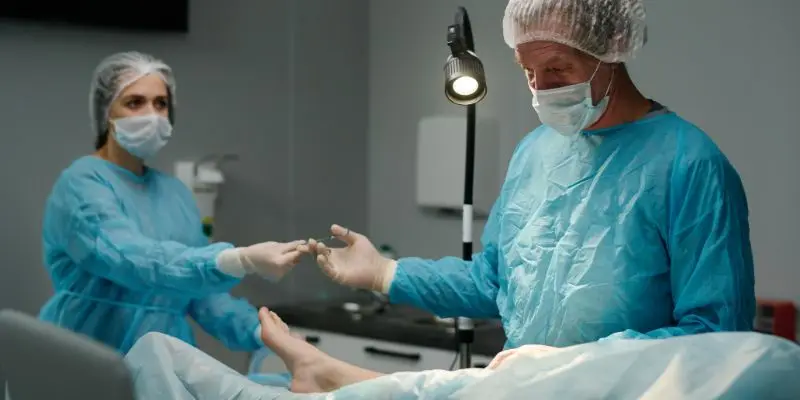
Targeted treatment allows for good symptom control in most cases. However, if after six months or a year, depending on the severity of the condition, conservative treatments are ineffective and the pain remains sharp and particularly intense, it may be necessary to schedule heel spur surgery.
Treatment can be done by removing the heel spur to relieve pressure on the heel or by intervening on the plantar fascia to reduce tension and improve the biomechanics of the foot.
The post-operative recovery phase includes a period of rest and physiotherapy to ensure a return to normal foot function.
SmartHallux: An innovative approach to heel spurs

Heel spurs are a painful condition, but with proper diagnosis and targeted treatment, pain can be alleviated and quality of life improved. If you suffer from heel pain and have chosen to get rid of it with surgery, SmartHallux may be a solution.
The specialists of the SmartHallux team , led by world-renowned surgeon Dr. Luigi Manzi , have experimented with new minimally invasive surgical techniques aimed not only at making the operation faster and less invasive, but also at reducing post-operative recovery times.
SmartHallux 's strengths include:
- Cutting-edge surgical techniques for less invasive treatments and shorter recovery times.
- Personalization of therapies, to ensure targeted treatment for each patient.
- Achilles tendon emergency treatment, using stem cells to accelerate tissue regeneration.
Book your video consultation now with Dr. Luigi Manzi of SmartHallux Italia and get help identifying the solution best suited to your needs!