
Heel Brace for Heel Spurs: A Complete Guide
Heel spurs cause pain under the heel with every step. Which heel braces, cups and pads relieve pressure, how to choose them and when they are not enough.
By Dr. Luigi ManziUpdated on
Heel spurs are a bony calcification that forms on the heel and are particularly painful. Sufferers often experience sharp pain under the heel, with the area feeling stiff and particularly sensitive to the touch due to inflammation caused by the formation of a small bony growth on the heel. Heel spur braces are often used to relieve the pain; in this article, we'll analyze which ones are best.
This is a very common problem, especially among athletes who subject their foot and plantar ligament to repetitive movements. This abnormal bone growth forms on the underside of the heel due to chronic inflammation of the lining surrounding the bone. This inflammation causes severe pain, making even walking difficult.
Let's see how it is diagnosed, but also how to treat and prevent heel spurs and what role heel cups can play.
How do you find out if you have a heel spur?

The most common symptoms of heel spurs are sharp pain in the heel, joint stiffness, and, in some cases, widespread pain in the sole of the foot.
In these cases, it will be necessary to consult a doctor to analyze your posture and gait. The specialist will check for pain when pressure is applied to the heel. Specific tests, such as foot X-rays, can determine the presence of a heel spur or other bone abnormalities.
It's important to know that heel spurs can have symptoms similar or completely overlapping with other conditions, such as plantar fasciitis and Achilles tendinitis. For this reason, if you're experiencing pain caused by Achilles tendonitis, it's important to conduct thorough investigations to determine the most effective treatment.
Heel spur treatments

Heel spurs are treated with medications, physiotherapy, heel braces, and, in more severe cases, injections or surgery. Recovery from heel spurs can take anywhere from a few weeks to several months, depending on the severity of the problem and the type of treatment performed. If surgery is performed, which effectively and lastingly addresses the pain, complete recovery generally occurs within a month. Rehabilitation, however, involves simply introducing a simple stretching exercise to keep the gastrocnemius and soleus muscles supple.
Rest, anti-inflammatory medications, and some physical therapies can often be effective in reducing the effects of plantar fasciitis. In more severe cases, when the inflammation is in an acute phase, cortisone injections can be used to quickly relieve pain.
Simultaneously performing stretching exercises helps improve mobility and reduce tension on the plantar fascia. The use of orthotics and plantar supports, such as heel spur braces, helps provide additional support and better distribute body weight, thus reducing the pressure the heel is generally subjected to.
How to choose a heel brace for heel spurs

Heel cups are orthopedic devices designed to relieve pain and correct foot posture. There are several types on the market:
- the gel heel cups offer excellent cushioning and reduce the impact while walking;
- the silicone heel pads distribute pressure evenly and are ideal for everyday use;
- The heel cups with a central hole relieve pressure on the painful area, improving comfort.
To choose the heel support for heel spurs that best suits your lifestyle and relieves pain, it's important to identify the level of inflammation and, consequently, the level of support required. The heel support should be inserted inside the shoe, ensuring it's properly positioned to ensure maximum benefit. Furthermore, it's a good idea to use it regularly so your body can acclimate to the support it offers quickly and benefit from it as quickly as possible, ultimately reducing pain.
How to prevent heel spurs?
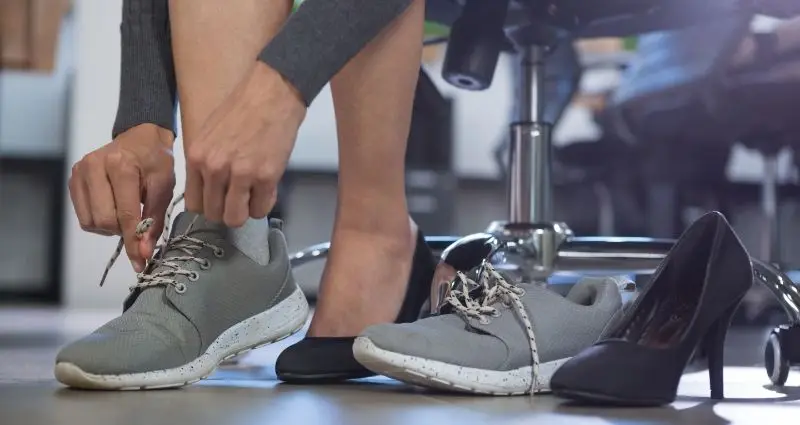
If left untreated, a problem like heel spurs can cause chronic pain and postural changes. In the worst cases, it can also lead to knee and back problems. For this reason, it's important to follow an appropriate treatment plan to avoid complications, but also to learn how to prevent heel spurs from forming.
To prevent heel spurs, it's essential to adopt some healthy habits. Wearing shoes with good arch support helps reduce the risk of inflammation. Regular physical activity, including stretching exercises for the plantar fascia and Achilles tendon, helps maintain muscle elasticity and reduce strain on the heel. It's also important to avoid spending too much time standing on hard surfaces.
Finally, when choosing a heel brace for heel spurs, it is always advisable to opt for high-quality materials and prefer ergonomic models that are compatible with your shoes.
SmartHallux: An innovative approach to foot care

If you suffer from persistent heel pain, don't ignore your symptoms. Dr. Luigi Manzi , an orthopedic surgeon specializing in foot and ankle surgery and the Italian representative for SmartHallux , offers an innovative, minimally invasive treatment for heel spurs. His extensive experience and expertise allow him to achieve excellent results at a competitive price. Book a video consultation with Dr. Luigi Manzi now for a personalized consultation and discover the best solution for your case.