
Hematoma hard to the touch: What to know, causes, symptoms, and when to worry
A hematoma hard to the touch is usually a bruise that is organizing or has calcified. Why it happens, when the lump goes away and when to see a doctor.
By Dr. Luigi ManziUpdated on
We've all stubbed our foot or received a blow, resulting in a hematoma. A bruise is our body's normal reaction to trauma or contusion. It's a collection of blood outside the blood vessels, which usually disappears within a few days.
Although in some cases it can be a sign of more serious conditions, this article, titled "Hematoma Hard to the Touch," will try to understand when it's necessary to consult a doctor.
Why does a hematoma feel hard to the touch?

When blood collects under the skin due to a ruptured capillary or vein, a hematoma is formed. When it becomes hard, it means that clotted blood has accumulated in a specific area without being quickly reabsorbed by the body. It feels firmer and less elastic than a normal bruise.
The main causes of a hard hematoma can be traced back to direct trauma, such as a contusion from a bump or fall, a bone fracture, or surgery, but also to medical conditions that can contribute to its formation. For example, some autoimmune diseases, the use of anticoagulant drugs, vitamin deficiencies, and vascular problems can cause bruises that are hard to the touch.
Hard hematomas form more frequently in certain areas of the body, including the foot, heel, calf, thigh, and toes. Those most susceptible to this problem are the elderly, athletes, and those taking medications that affect blood clotting.
Diagnosis and treatments
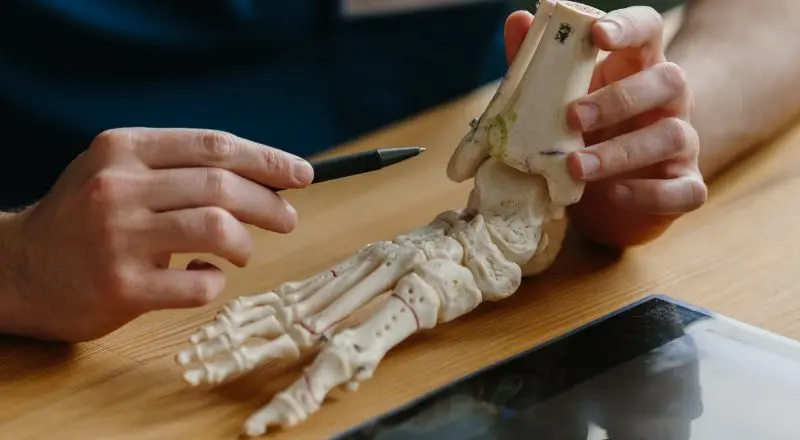
It can take days or weeks for a hard hematoma to reabsorb, depending on its severity. If it doesn't disappear within a few weeks, but remains visible and causes severe pain, it may be appropriate to show the hematoma to your doctor. Such a case may require diagnostic tests, such as an ultrasound, useful for assessing the size of the hematoma, or an X-ray, which helps rule out any fractures that may have caused the hematoma. In some cases, an MRI can assess whether soft tissue has been involved following the trauma or contusion that caused the bruise.
Treatment varies depending on the severity of the hematoma. In less severe cases, it is recommended to limit movement, apply ice to the affected area, and keep the limb elevated to promote drainage and reabsorption of the hematoma. The use of elastic bandages and painkillers or anti-inflammatory medications can help reduce swelling and pain. If the hematoma is particularly large or painful, your doctor may decide that surgery is necessary to drain the accumulated blood or remove the clot.
It should be noted that drainage is only necessary if the hematoma is very large or if it causes severe pain.
Complications related to a hard hematoma

The main complication associated with the presence of a hematoma is the possibility of the mass becoming permanent. Furthermore, nerve or blood vessel damage and the formation of recurrent hematomas cannot be ruled out.
Precisely to avoid these hypotheses, it is important to monitor the evolution of the hematoma, especially if it feels hard to the touch, so as to intervene promptly in case of worsening.
When should you worry? It's advisable to consult a doctor if the hematoma is very large or enlarged, if it's located in a critical area, or if it's accompanied by fever, severe pain, or neurological symptoms. Those with bleeding disorders or vascular diseases should also be especially careful.
To reduce the risk of hard hematomas, it's advisable to take certain precautions. Avoiding trauma is essential, especially during sports activities. Eating a diet rich in vitamin K helps blood clotting, while regularly monitoring the intake of anticoagulant medications can prevent the formation of abnormal hematomas. Using adequate protection during physical activity is another useful measure. How can you prevent the formation of hard hematomas? Avoiding trauma, following a balanced diet, and monitoring the use of anticoagulant medications.
A hematoma that's hard to the touch can be uncomfortable, but in most cases it's not dangerous. However, if it doesn't reabsorb or causes unusual symptoms, it's essential to consult a doctor to avoid complications. If you have any concerns about your condition, schedule a specialist appointment for an accurate diagnosis.
SmartHallux: An innovative approach to foot care

SmartHallux offers an innovative solution, combining advanced technologies and accurate diagnosis, for personalized treatment of foot pain. Thanks to the expertise of a team of expert surgeons, led by Dr. Luigi Manzi , SmartHallux offers innovative treatments ranging from diagnosis to surgery, if necessary.
The team treats conditions such as hallux valgus , Morton's neuroma , and other deformities that cause foot pain. Providing comprehensive support throughout the treatment process, including post-operative recovery, SmartHallux can be a winning choice for effective treatment tailored to your needs. Book your video consultation with Dr. Luigi Manzi now.