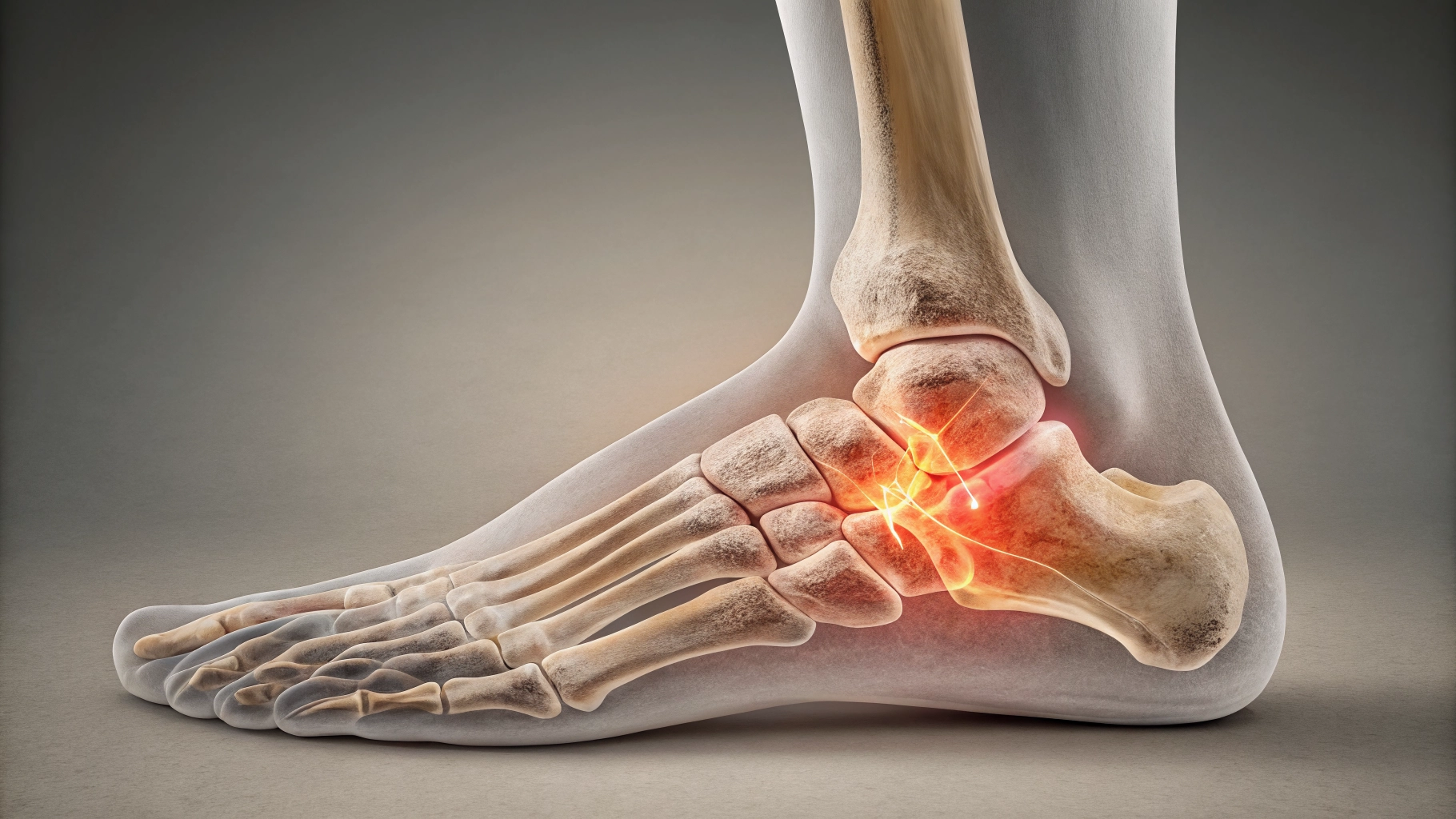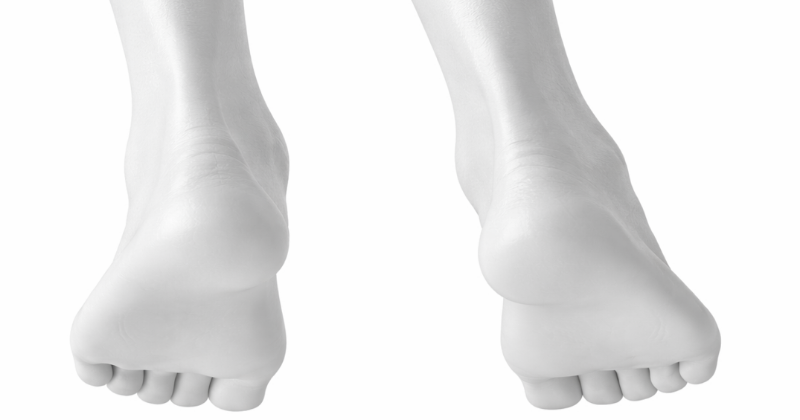

Brachymetatarsia is a foot condition characterized not only by shorter metatarsal bones, but also by complex implications that require thorough medical evaluation. Therefore, the opinion and discussion of specialists in fields such as orthopedic surgery, podiatry, and rehabilitation medicine is important . Only in this way can appropriate and personalized treatment be proposed.
Role of orthopedic surgeons in the treatment of brachymetatarsia

The orthopedic surgeon specializing in foot and ankle play a key role in the treatment of brachymetatarsia . This specialist assesses the severity of the deformity and suggests various surgical options to lengthen the shorter metatarsals . These procedures include distraction osteogenesis , which uses external devices to gradually lengthen the bone, and bone grafting.
Contribution of podiatrists in monitoring and managing the disease
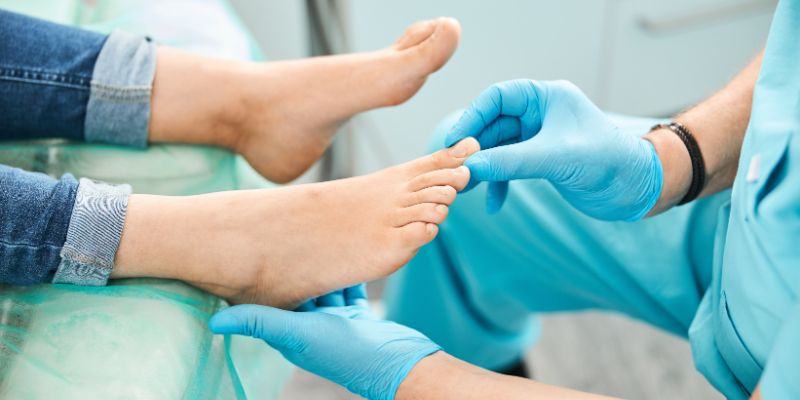
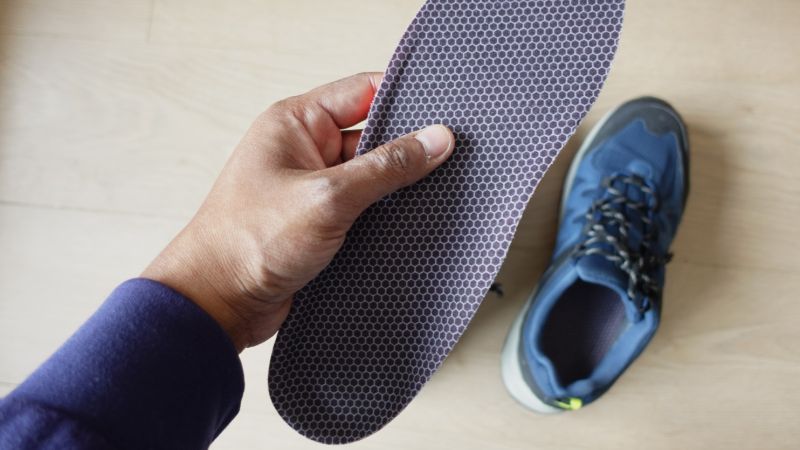
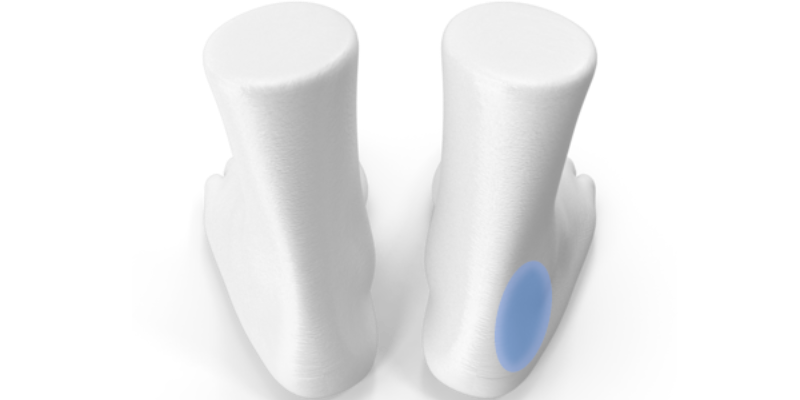
As experts in foot care, podiatrists make a significant contribution in monitoring the progression of brachymetatarsia and managing associated symptoms. A podiatrist provides patients with appropriate orthopedic support, such as insoles, orthotics, and braces , which help redistribute the load while walking. The result? Less pain and improved foot function.
Benefits of interdisciplinary collaboration

Collaboration between podiatrists and orthopedic surgeons is essential. Only in this way will it be possible to find the most comprehensive and appropriate treatment. Integrating the various specialist skills allows for both surgical and conservative aspects of brachymetatarsia to be addressed , ensuring the patient receives a treatment plan that takes all their needs into account. Furthermore, close collaboration between specialists continuously monitors patients' condition to provide a prompt response in the event of complications.
Treatment options for brachymetatarsal foot
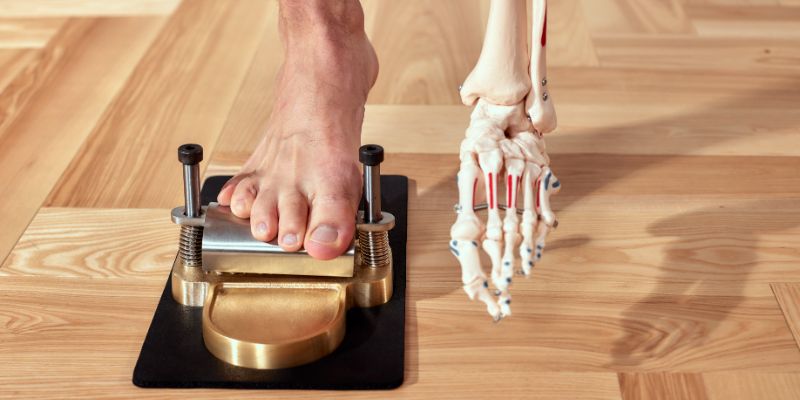
To correct brachymetatarsia , progressive bone lengthening is one of the most common techniques. This method uses distraction devices that, applied externally or internally, gradually lengthen the shortened metatarsal . Alternatively, the surgery may include a bone graft technique , where a segment of bone, taken from another part of the body or synthetic, is inserted to improve the length of the bone.
In addition to surgical options, there are some non-invasive treatments that make the condition less uncomfortable. Here are some of them:
- personalized orthotic insoles to support the foot and redistribute pressure during walking;
- physiotherapy to strengthen foot muscles, flexibility, and overall function;
- anti-inflammatory drugs to manage pain and inflammation.
The importance of personalizing treatment based on patient needs
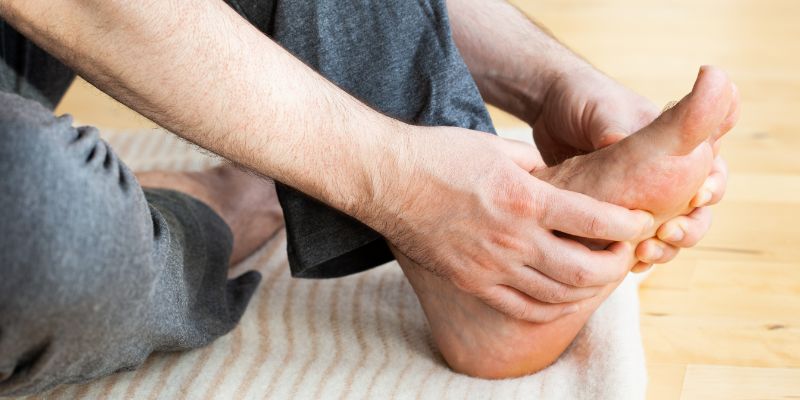
Brachymetatarsia requires individualized treatment. Each patient's clinical picture is unique, so each approach requires a different approach.
Factors such as the patient's age, daily activity level , and personal expectations must be taken into consideration. This helps create an effective and personalized treatment plan. Furthermore, the patient and the specialist must communicate frequently to facilitate any adjustments to the treatment based on progress and needs.
Expected results and prognosis
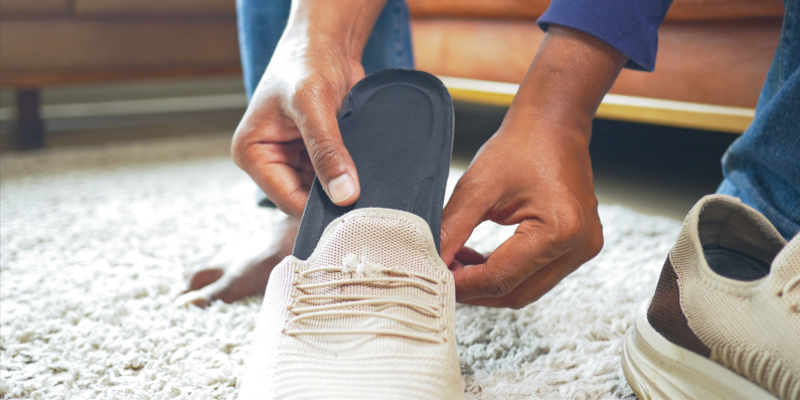
Treatment for brachymetatarsia often varies. Depending on the patient's needs and personal circumstances, surgery or conservative management may be considered.
Nonsurgical treatments, such as the use of orthopedic insoles or specific devices that help redistribute the load on the foot, significantly improve daily comfort and reduce pain. However, the length of the bone remains the same.
Instead, surgery corrects the length of the metatarsals using techniques such as osteotomy or external fixation. The results are often definitive and permanent in terms of foot shape and weight distribution.
Long-term prognosis analysis

The long-term prognosis for patients with brachymetatarsia depends closely on the choice of treatment, age, and the presence of other medical conditions. In general, surgical results are almost always favorable. There is an excellent chance of recovering foot function and aesthetics, provided the patient carefully follows the recommended post-operative rehabilitation program.