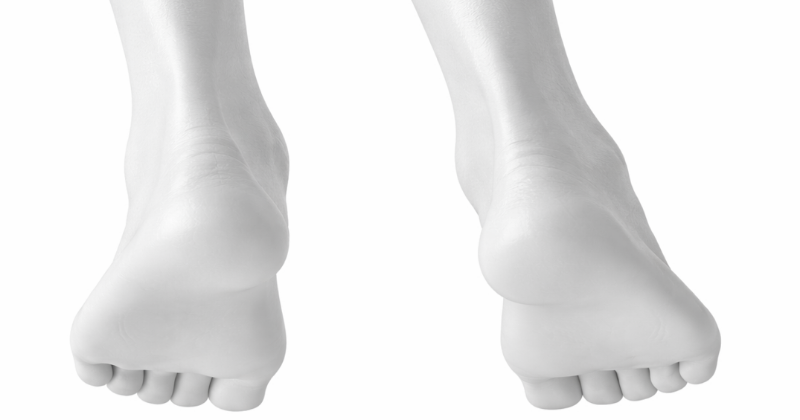
Brachymetatarsia is an orthopedic pathology that affects one or more metatarsals of the foot, which are shorter than the others.
In addition to the pain and physical complications , brachymetatarsia can also affect the mental health of those affected. The severe discomfort, due to the aesthetic appearance of the foot, can compromise the quality of life and limit the activities of those affected by this condition.
Thanks to technological advances, however, it is now possible to treat brachymetatarsia and cure it in the best possible way, so that you can return to your daily life with peace of mind.
In this post, we will delve into the surgery for brachymetatarsia and the rehabilitation process.
What is Brachymetatarsia?
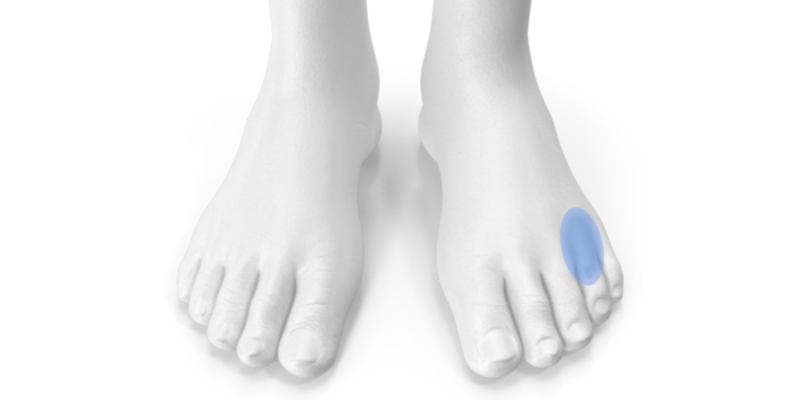
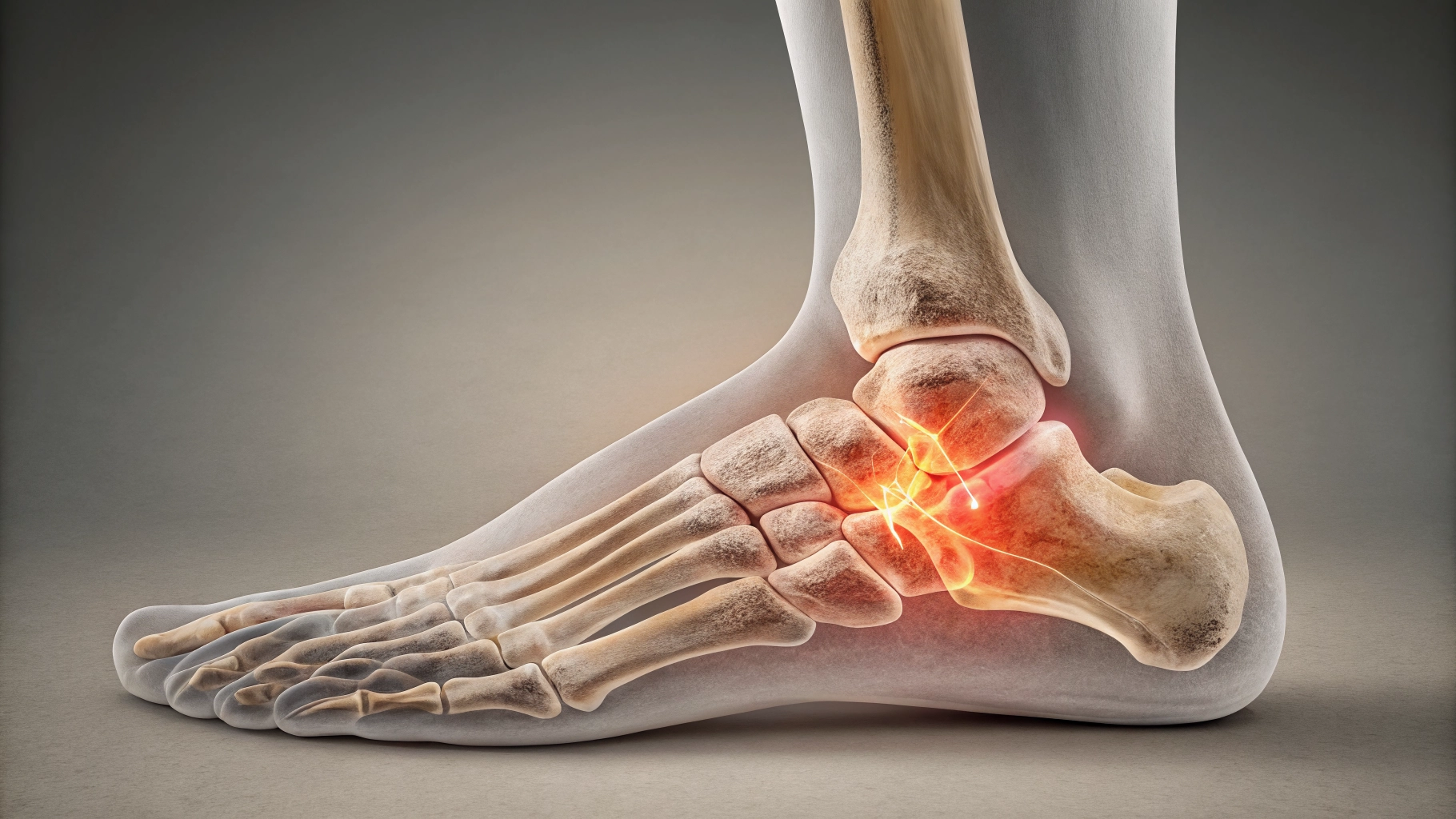
Brachymetatarsia affects one or more metatarsals of the foot . The affected metatarsal undergoes a growth interruption, resulting in it being shorter than the others.
This pathology can sometimes affect not only one but both feet , a condition called bilateral.
The metatarsal most affected by brachymetatarsia is the fourth , although this does not take away the fact that any metatarsal can be affected.
In addition to the obvious physical deformity , due to the different length of the metatarsus affected by brachymetatarsia, there are other discomforts caused by this pathology.
Pain , difficulty walking , unstable balance, callus and ulcer formation, and musculoskeletal problems are other symptoms, as well as problems, that arise as a result of the development of brachymetatarsia.
So, what should be done when these symptoms and difficulties affect those suffering from brachymetatarsia?
When to See a Doctor?

In the presence of the above-mentioned symptoms and, once physical discomfort has been ascertained, it is advisable, if not mandatory, to contact a doctor.
By consulting a doctor, in fact, it will be possible to make a diagnosis that is essential for timely corrective intervention and for the beginning of recovery.
After a physical examination , anamnesis and x -rays, it will be possible to determine the pathology you are suffering from.
If the diagnosis is brachymetatarsia , it will be necessary to evaluate, study and decide which approach to adopt to deal with the disease.
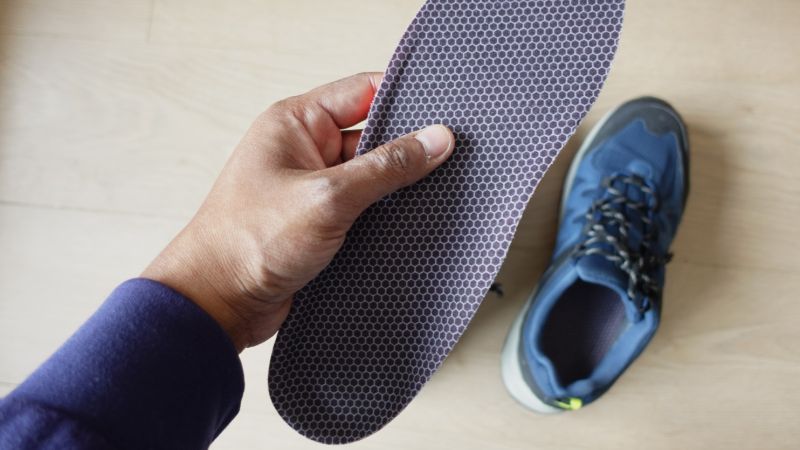
When conservative treatments , such as the use of orthotic insoles, suitable shoes and physiotherapy, do not resolve the problem as desired, it will be necessary to consider resorting to surgery.
Surgery for Brachymetatarsia

Let's now look at the various steps of the surgical procedure for brachymetatarsia.
Pre-operative Planning
This initial phase is fundamental for deciding which surgical technique to choose.
Pre-operative planning , in fact, includes further blood tests and X-rays for the affected metatarsal, but also an evaluation of the patient's general health.
Based on the patient's general health, expectations, and the severity of the brachymetatarsia, the type of surgical procedure to choose will be evaluated together with the doctor.
Surgical Techniques
There are basically two main surgical techniques to treat brachymetatarsia.
The first is the sliding osteotomy (or lengthening ), which involves cutting the short metatarsal into two sections, into which synthetic bone or bone harvested from the patient and a fixation device are inserted. This device serves to stabilize the lengthened metatarsal until healing occurs.
Although it is a quick procedure that ensures lengthening of the metatarsal, it is quite invasive , but with relatively short recovery times.
The second procedure is distraction osteogenesis , which uses distraction devices called “ distractors .” An external fixation device is attached to the affected metatarsal; this distractor serves to gradually lengthen the metatarsal, being adjusted day by day by the patient or doctor.
This procedure ensures greater lengthening of the metatarsal and gradual adaptation of the soft tissues, although with longer procedure and recovery times than osteotomy.
The Recovery
Immediately after surgery, you will need to rest with your foot immobilized.
To avoid stressing the foot and putting weight on it, it will be necessary to use crutches and avoid unnecessary efforts.
You should always follow your doctor's instructions , without taking any personal initiatives that could compromise the success of the operation and the health of your foot.
rehabilitation
Rehabilitation is one of the most important phases to ensure that the surgery achieves the desired results.
This very important phase has its own rules and steps to follow, which can be listed as follows:
- Initial Evaluation: in which the doctor and the physiotherapist, evaluating the patient's conditions, define the objectives;
- Strength Exercises: in order to proceed with other exercises and therapies, it will be essential to increase the muscle strength of the foot and ankle, following specific exercises indicated by the doctor;
- Improving Flexibility: stretching to help improve the flexibility of the tendons and muscles of the foot, reducing post-operative stiffness;
- Gait Retraining: consists of learning to walk correctly to improve posture, gait and balance;
- Proprioception Exercises: to restore the foot's ability to correctly perceive position and movement, to avoid future injuries;
- Pain and Swelling Control: massage and pain and swelling management techniques to combat symptoms that may appear after surgery;
- Monitoring and Adaptation of the Program: based on the results obtained, the physiotherapist will adapt the exercises in the program to progress towards healing.
Recovery Times
As with any other surgery, post-operative recovery times vary depending on the surgical technique used, the patient's condition, and their response to rehabilitation.
Generally, however, recovery times can vary from 2 to 6 months.
It is essential to always keep in touch with your doctor and physiotherapist to constantly monitor your progress and avoid any complications.
Complications of Brachymetatarsia
When undergoing brachymetatarsia surgery, the risk of complications must be taken into account.
The risks of brachymetatarsia surgery can be divided into two macro categories: risks of the surgery itself and long-term complications.
Among the risks of the surgery itself, the following should be mentioned:
- allergic reactions to anesthesia;
- bleeding;
- infections;
- complications due to fixation devices;
- failure to achieve the desired lengthening.
Long-term complications include muscle stiffness , persistent pain , and the need for further corrective surgery.
All these complications can be easily managed and resolved, simply by monitoring the recovery and keeping in constant contact with the doctors , so as to be able to intervene in time if any complications should arise.
Advantages of choosing SmartHallux for the procedure

If you suffer from brachymetatarsal deformity and don't know who to turn to, SmartHallux is the best option you can choose.
Choosing SmrtHallux , in fact, means being able to benefit from a 360° approach that combines surgery, physiotherapy and psychological support.
This ensures that every aspect of the patient's condition and recovery is treated and monitored with the utmost care and attention, leading to optimal results.
SmartHallux also stands out for its use of less invasive and cutting-edge surgical techniques . These include the use of cutting-edge distraction systems and biocompatible materials that promote rapid and safe healing.
What are you waiting for? Click here and book your appointment with SmartHallux.