
Left foot: what to do when it starts hurting?
If the pain particularly affects the left foot, it's natural to ask: what causes it? How long can it last? And above all, how is it treated?
By Dr. Luigi ManziUpdated on
The foot is a complex and often overlooked structure. Yet, it supports our weight, keeps us balanced, and literally carries us forward every day. When it starts to hurt, even the simplest tasks can become an obstacle. If the pain is particularly severe in the left foot , it's natural to ask: what causes it? How long can it last? And most importantly, how can it be treated?
This article will help you understand the most common causes, the symptoms you shouldn't ignore, and the most effective treatment options to regain freedom of movement.
The left foot under the lens: structure and function

The left foot is no different anatomically from the right. However, it can be affected asymmetrically by specific pathologies, due to unbalanced posture, movement habits, minor trauma, or incorrect foot placement.
Made up of 26 bones, dozens of muscles, ligaments, and tendons, the foot is a masterpiece of natural engineering. Each component works in synergy with the others, but inflammation or deformation can disrupt this balance and cause pain.
When your left foot hurts: the most common causes
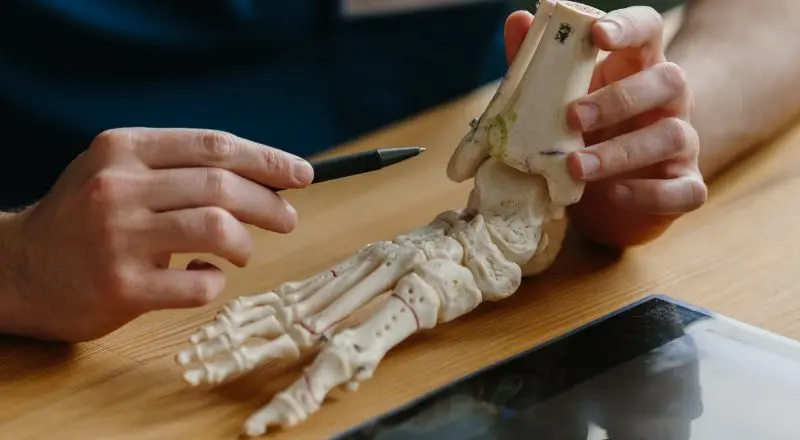
There's no single answer. Pain can originate from muscle, tendon, joint, or neurological problems. Some of the most common conditions include:
- Plantar fasciitis, which causes pain under the foot, near the heel.
- Hallux valgus o hallux rigidus, which alter the axis of the forefoot and create instability.
- Metatarsalgia e Morton's neuroma, often responsible for pain and burning in the front part.
- Achilles tendinopathy, which makes walking painful, especially in the morning.
- Heel spur o ankle osteoarthritis, typical after the age of 50 or in the presence of past traumas.
Conditions such as flat feet or recurrent ankle sprains can also predispose to chronic pain, often localized in the left foot.
Symptoms: How to recognize a problem that shouldn't be ignored
Pain isn't always the only sign. Other symptoms to watch out for include:
- joint stiffness, especially upon waking up;
- localized swelling, often associated with tight footwear;
- numbness or burning sensation in the soles or fingers;
- progressive deformities, such as bony protrusions or hammertoes.
If you notice that the pain persists beyond a few days, or if it worsens with movement, it is important to talk to a specialist.
How is the diagnosis made?

The diagnostic process always begins with a thorough clinical examination . The doctor will evaluate the foot's position, joint movement, and the presence of painful areas or deformities. Depending on the case, the following may be useful:
- X-rays, to check for any bone changes;
- Magnetic resonance, if a tendon injury or neuroma is suspected;
- Ultrasound o electromyography, in cases where the pain involves the peripheral nerves.
An in-depth analysis allows us to establish a truly effective treatment, avoiding useless or superficial therapies.
Treatments: personalized, gradual, effective

There's no single cure for left foot pain. The treatment should always start with the least invasive approach, then move on to more structured solutions only if necessary.
In many cases, the following are sufficient:
- targeted physiotherapy and specific stretching,
- custom-made insoles to correct support,
- anti-inflammatory drugs or local infiltrations.
When pain is related to a more advanced condition, minimally invasive foot and ankle surgery is a valid option. Dr. Luigi Manzi , a specialist in orthopedic surgery and national director of the SmartHallux project , offers modern, effective solutions with short recovery times.
And after the surgery?
Rehabilitation is a crucial phase. If properly followed, it allows for a complete and lasting recovery. After surgery, the procedure is phased: foot unloading, muscle reactivation, weight-bearing retraining, and proprioceptive exercises. Recovery times vary depending on the type of surgery, but are often shorter than expected thanks to modern techniques.
Prevention: Don't wait for pain to take care of your feet.

Taking care of your left foot – and both – means paying attention to a few fundamental aspects:
- choose footwear that suits your body shape;
- maintain a balanced body weight;
- avoid long walks without a break;
- incorporate stretching exercises into your daily routine.
These simple yet effective habits can reduce your risk of developing chronic problems.
SmartHallux: Your reference point for your left foot (and more)

SmartHallux offers a comprehensive service for the treatment of foot and ankle conditions. Available services include:
- first visit in specialized practices, via telemedicine, or with Dr. Manzi in Milan, Rome, and Naples;
- advanced conservative and surgical treatments;
- 24-hour Achilles tendon emergency room, even with regenerative therapies.
The SmartHallux team treats conditions such as hallux valgus , Morton's neuroma , and other deformities that cause foot pain. Providing comprehensive support throughout the treatment process, including post-operative recovery, SmartHallux can be a winning choice for effective treatment tailored to your needs. Book (opens in a new tab) your specialist consultation with the SmartHallux team now.
FAQ
How long does the pain in my left foot last?
It depends on the cause. In some cases, it lasts a few days; in others, it can become chronic if left untreated.
How can I sleep with foot pain?
It is best to keep your foot slightly elevated, avoid heavy blankets and, if necessary, use an orthopedic pillow.
When is it time to see a doctor?
If the pain persists for more than a week, if it worsens with movement, or if visible swelling or deformity appears.