
Magnet Therapy for Plantar Fasciitis: Does It Really Work?
Magnet therapy for plantar fasciitis is often suggested for heel pain, but the evidence is limited. What it involves, what studies show and what else works.
By Dr. Luigi ManziUpdated on
You wake up in the morning, put your foot down, and... ouch! That pain under your heel that almost makes you jump on one leg. If you recognize yourself in this scene, you've probably already heard of plantar fasciitis. And maybe someone has suggested magnetic therapy for plantar fasciitis.
But what exactly is this therapy? Does it really work, or is it just another fad? Let's try to clarify things together, because I often find myself answering these questions in my practice.
After all, when your foot hurts every single day, it's natural to want to explore all the options available.
Plantar Fasciitis: That Pain That Won't Go Away
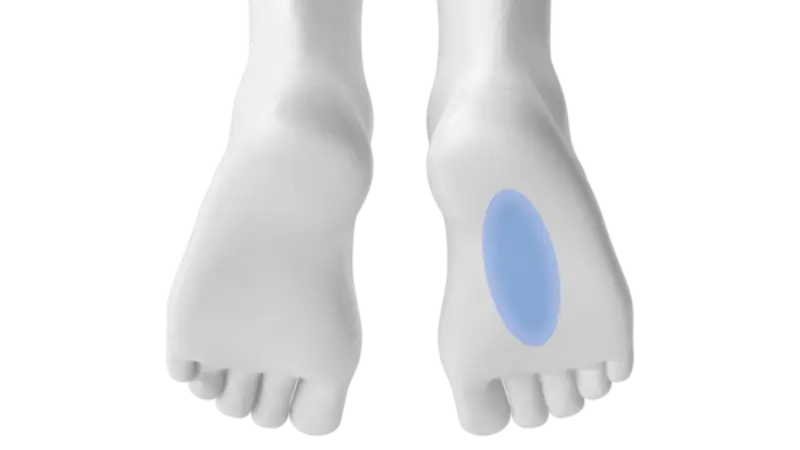
The plantar fascia is the band of fibrous tissue that runs under the sole of the foot, from the heel to the toes. Think of it as a stretched rubber band. When this "rubber band" becomes inflamed, plantar fasciitis occurs.
The typical pain? Excruciating, especially in the morning. My patients often describe it to me like this: "Doctor, it feels like someone hammered a nail into my heel." And they're not exaggerating, believe me.
It happens because during the night the band shortens a bit, and when you stretch it for the first time by putting your foot down… well, it protests. It sure does.
Magnetotherapy: Magnetic fields at the service of healing
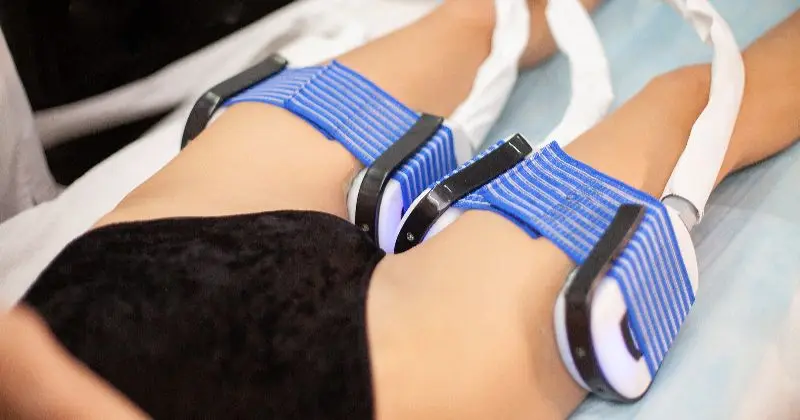
Magnetic therapy uses electromagnetic fields to stimulate tissue. It's not science fiction. It's a technique that exploits the electrical properties of our cells to accelerate their repair processes.
How does it work? Simply put, magnetic fields alter the behavior of inflamed cells. They stimulate local circulation, reduce swelling, and can aid tissue regeneration.
It's a bit like giving lazy cells a wake-up call, so they work harder to repair the damage. Interesting, isn't it?
The benefits of foot magnetotherapy

Now, let's get down to business. What can magnetic therapy do for your plantar fasciitis?
**Pain reduction.** This is the first effect we notice. It's not as immediate as an anti-inflammatory, but it lasts longer.
**Reduced inflammation.** Magnetic fields appear to modulate the local inflammatory response. Less inflammation means less pain and swelling.
**Improved blood circulation in the area.** Improved blood flow helps tissues receive more nutrients and oxygen. It's like having a more efficient "delivery service" for cells that need to heal.
Accelerates natural healing processes. It doesn't work miracles, but it can speed up what the body is already doing on its own.
How to use magnetotherapy for fasciitis

There are different types of devices. The professional ones you find in physiotherapy centers are more powerful. Then there are the home ones, more practical but less intense.
How long does it typically last? Sessions typically last 30-60 minutes, once or twice a day. The entire treatment cycle can last 2-4 weeks, depending on the severity of the situation.
The great thing is that you can do it in the comfort of your own home, perhaps while watching TV or reading a book. The applicator should be placed on the sole of your foot, right where you feel the pain.
Beware of contraindications
Now, one important thing: Magnetic therapy isn't for everyone.
If you have a pacemaker or other implanted electronic devices, forget it. Magnetic fields could interfere with the device's operation, and that's definitely a serious problem.
During pregnancy, it's best to avoid it, just to be safe. And if you have active tumors, you should also be careful, as cell stimulation may not be ideal.
It's always best to consult your doctor before starting. I always tell my patients: "Let's talk first, then we'll decide."
What science says about effectiveness
Now, I have to be honest with you. There aren't a lot of studies on magnetic therapy for plantar fasciitis, and the results are... well, let's say... inconsistent.
Some studies show interesting benefits, especially in pain reduction. Others are less enthusiastic. The truth, as often happens in medicine, probably lies somewhere in the middle.
What I see in clinical practice is that some patients respond well, others less so. It's not a miracle cure for everyone, but it can be a valuable aid in the recovery process.
It's important to have realistic expectations. Don't expect to run a marathon after a week of magnetic therapy!
My approach: integration is the key word

In my practice, when I propose magnetic therapy for plantar fasciitis, I always see it as part of a larger plan.
Specific stretching for the plantar fascia. Weight control if necessary. Custom insoles when needed. Shoe modifications. And yes, even magnetic therapy can be included in the mix.
The other day, a patient came to me who had only tried magnetic therapy for months. He was feeling better, but not completely healed. We added exercises and a custom orthotic. After two months, he was back to running.
SmartHallux: Where we can help you

Here at SmartHallux, we specialize in foot and ankle surgery. Dr. Luigi Manzi, who has extensive experience in this field, provides each patient with a personalized treatment plan using the most modern techniques.
The SmartHallux team treats conditions such as hallux valgus , Morton's neuroma , and other deformities that cause foot pain. Providing comprehensive support throughout the treatment process, SmartHallux can be a winning choice for effective treatment tailored to your needs. Book your specialist consultation with the SmartHallux team now (opens in a new tab).
Questions you often ask me
Doctor, is magnetic therapy really effective for plantar fasciitis?
Look, it's effective for some patients, less so for others. Studies tell us it can help reduce pain and inflammation, but it's not a magic bullet. It works best when it's part of an integrated treatment, not as the sole therapy.
How much does magnetotherapy cost?
It depends. If you go to a salon, each session can cost 20-40 euros. If you buy a device for home, it ranges from 200 to 2000 euros, depending on the quality. Professional devices cost more, but they're also more powerful.
Where can I get magnet therapy for plantar fasciitis?
You can search for physical therapy centers in your area, or ask your primary care physician for a referral. Many orthopedic centers have these devices. And as I mentioned, there are also ones for home use.