
Massage for Plantar Fasciitis: Real Relief or Just Relaxation?
Plantar fasciitis, an annoying but treatable inflammation. And among the most sought-after remedies are plantar fasciitis massages. Do they really work?
By Dr. Luigi ManziUpdated on
If you're reading this article, you've probably already experienced that twinge of pain in your heel that grips you as soon as you get out of bed or after a long walk. That sensation typical of plantar fasciitis , or heel spurs , an annoying but resolvable inflammation. And among the most sought-after remedies are massages for plantar fasciitis . But does it really work? And how is it done correctly?
What is Plantar Fasciitis?
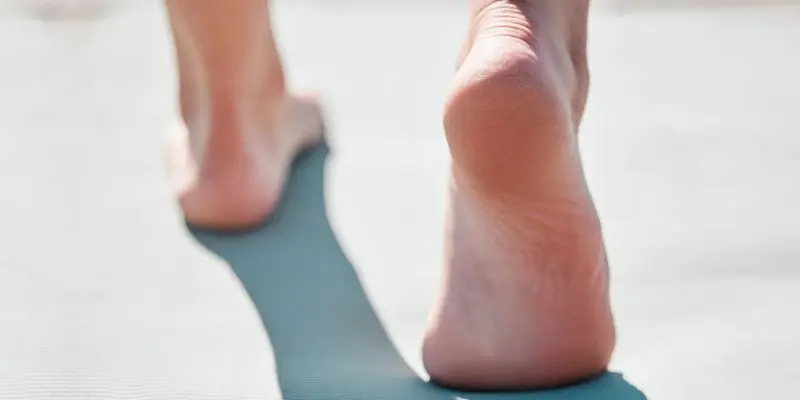
It's one of the most common causes of heel pain. It affects the plantar fascia , a thick band of tissue that supports the arch of the foot. When this fascia becomes inflamed, it can cause sharp pain, especially upon standing or after prolonged periods of standing.
The causes? Incorrect footwear, excess weight, poor posture, high-impact sports, or simply repetitive mechanical stress.
Can Massage Really Help?
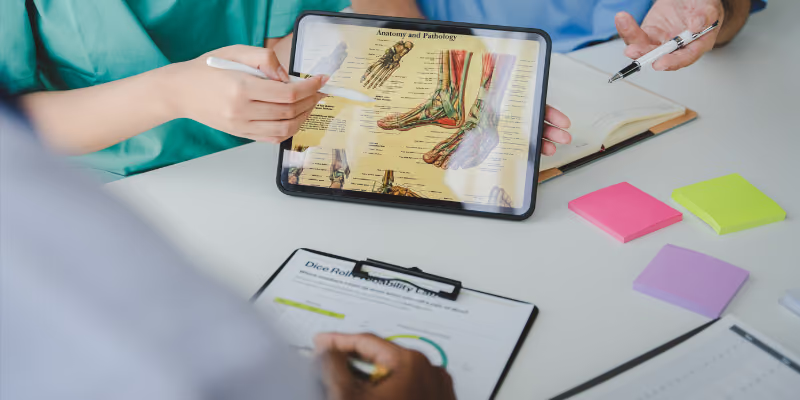
The answer is yes, but with discretion . Massage for plantar fasciitis can:
- Reduce tension in the fascia and calf muscles
- Improve circulation
- Reduce inflammation
- Promote healing
It's not just about "relaxing" the foot: a targeted massage , done with technique and regularity, can positively influence the course of the pathology.
The best types of massage for fasciitis

Among the most effective techniques we find:
- Deep tissue massage: useful for loosening adhesions and deep muscle tension
- Myofascial release: acts on the fascia, improving its elasticity and sliding
- Trigger point therapy: to act on specific points of tension
- Sports massage: suitable for those who practice physical activity and need functional recovery
Frequency and duration
A 10-15 minute massage is recommended, once or twice a day . The pressure should be moderate , never painful. The goal is not to "untie the knot," but to gradually release the tension.
Stretching and complementary exercises

Massages work best when combined with:
- Stretching the calf and the sole of the foot
- Exercises to strengthen the intrinsic muscles of the foot
- Self-massage with tennis balls or frozen bottles
And if that's not enough?
In addition to massage, the following may be helpful:
- Foot orthoses
- Physical therapy professional
- Drugs or infiltrations
- And in the most resistant cases, mininvasive surgery
The SmartHallux technique

SmartHallux has developed an approach that combines therapeutic massage , targeted exercises, and advanced technologies, tailored to the severity of the case. The result? Reduced pain, improved functionality, and faster recovery times.
A well-done plantar fasciitis massage isn't just a treat, it's a true therapeutic tool. Combined with stretching, orthotics, and targeted treatments, it can become an essential part of your recovery.
The SmartHallux team treats conditions such as hallux valgus , Morton's neuroma , and other deformities that cause foot pain. Providing comprehensive support throughout the treatment process, SmartHallux can be a winning choice for effective treatment tailored to your needs. Book your specialist consultation with the SmartHallux team now (opens in a new tab).
FAQ
How do you perform an effective massage for plantar fasciitis?
Using long, progressive strokes, focus on the calf and sole. Avoid excessive pressure.
Can massage cure fasciitis?
They can help a lot, but alone they're not enough. Diagnosis, exercises, and sometimes additional treatments are needed.
How long does it take to heal?
It depends. With a good program, you can improve in a few weeks. In chronic cases, the process takes longer.