
Medial plantar nerve pain: when your foot goes haywire
Medial plantar nerve pain is a sharp, electric or burning pain that starts at the heel and spreads to the inner foot and first toes. The causes and treatments.
By Dr. Luigi ManziUpdated on
Have you ever felt a sharp pain under your foot, as if someone were pricking you with a pin? Pain that starts in your heel and radiates toward your toes, perhaps accompanied by tingling or numbness? You may be dealing with a pinched medial plantar nerve.
In my office, I often see patients who come in with these symptoms. "Doctor, it's like I've always had a stone in my shoe," they often say. Or, "In the morning, when I put my foot down, it's a terrible pain." Well, this could be a sign that the medial plantar nerve is not working properly.
But let's proceed in order and see together what happens when this small but important nerve decides to bother us.
What is the medial plantar nerve and what does it do?
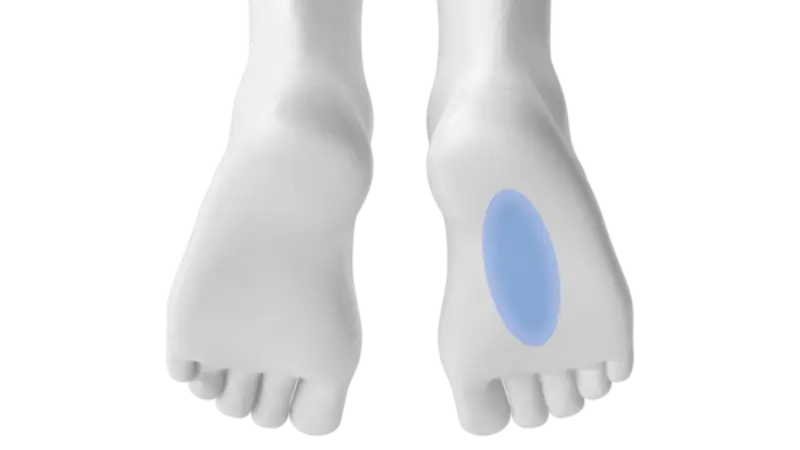
Think of your foot as a complex network of "electrical cables" that carry signals from the brain to the muscles and vice versa. The medial plantar nerve is one of these crucial cables. It runs along the inside of the foot, under the arch, and is responsible for controlling some of the important muscles of the foot and big toe.
It's not just a matter of movement, though. This nerve also collects sensations from the skin on the inside of the foot and the first three toes. That's why when it becomes inflamed or "clogged" (as we doctors say when entrapment occurs), the symptoms can be so bothersome.
The medial plantar nerve arises from the tibial nerve, which in turn passes behind the medial malleolus of the ankle. From there, it divides and branches out to various areas of the foot. It is a delicate structure, easily affected by excessive pressure or inflammation of the surrounding tissues.
Why does the medial plantar nerve hurt?

The causes? There are many, and they're often mixed together. Plantar fasciitis is one of the most common culprits – that annoying inflammation of the fascia that supports the arch of the foot can also "involve" the medial plantar nerve, creating a truly uncomfortable situation.
Then there's Morton's neuroma, which isn't exactly the same thing but can cause similar symptoms. Or tarsal tunnel syndrome—yes, it can also affect the foot, not just the wrist! In this case, the nerve is "pinched" as it passes through a canal formed by bones and ligaments.
Sometimes it's the wrong shoes that are to blame. Shoes that are too tight, have high heels, or are completely flat and unsupportive. The calcaneal nerve, which connects to the medial plantar fascia, can be significantly affected.
Let's not forget the injuries. A poorly treated sprain, a badly caught kick playing soccer, a fall. The foot may appear to have healed superficially, but the nerve remembers everything.
Some systemic diseases can also cause problems: diabetes is a classic, because it can damage nerves in general. Rheumatoid arthritis, too. And then there are those cases where it's not clear why—it happens, in medicine.
Symptoms you should recognize

Medial plantar nerve pain has fairly typical characteristics. It's often an "electrical" pain, like a shock or a burning sensation, that starts at the heel and can radiate toward the inside of the foot and the first toes.
Many patients tell me it's worse in the morning, as soon as they get out of bed. "The first few steps are torture," they often tell me. Then, after walking a bit, the pain eases, but it can return forcefully after standing for a long time or after physical activity.
Tingling is another important symptom. That numbness or tingling sensation that mainly affects the inside of the foot. Some describe it as if their sock was always rolled up under their foot.
Sometimes weakness is also present. You notice that you can no longer lift your big toe like you used to, or that you struggle to maintain balance on that foot. It's not always present, but when it is, it's a sign that shouldn't be ignored.
How do I make the diagnosis in the office?

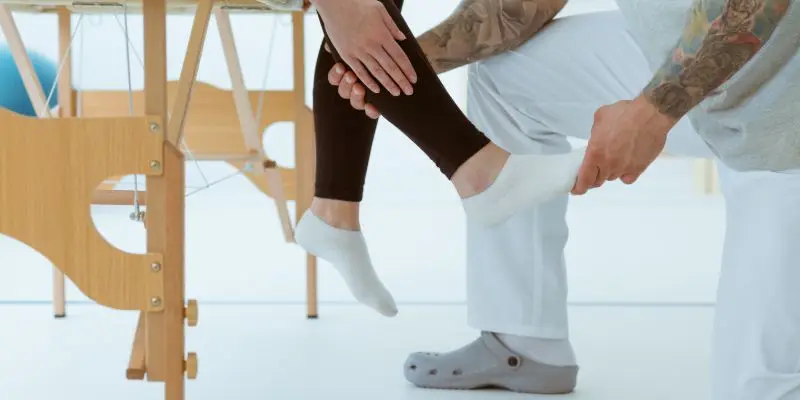
When a patient comes in with these symptoms, I always start by listening. They tell me exactly where it hurts, when, and what makes it worse or better. Then I look at how they walk—often I can already see compensations, "odd" ways of placing their foot to avoid the pain.
A physical exam is essential. I press on specific points to see if I can reproduce the pain, check reflexes, and assess the sensitivity of different areas of the foot. There's a special test called Tinel's sign, which involves lightly tapping along the nerve to see if tingling occurs.
Sometimes instrumental tests are needed. An ultrasound can show if there's thickening of the nerve or surrounding tissue. Electromyography is useful for determining whether the nerve is conducting electrical impulses properly. I reserve MRI for more complex cases, when I want to rule out other pathologies or better assess the anatomy of the area.
The treatment options we have available

The good news is that in most cases, the problem can be resolved without surgery. Rest is often the first step—not total rest, but avoiding activities that trigger the pain.
Ice can help in acute phases, especially if there's inflammation. Anti-inflammatory drugs provide relief, but they don't address the underlying cause. I use cortisone injections when there's significant inflammation—they can provide significant, albeit temporary, relief.
Physiotherapy is often essential. Stretching exercises for the plantar fascia and calf, mobilizations, and techniques to reduce tissue inflammation are all helpful. A good physiotherapist specializing in foot care can work wonders.
Customized orthotics are another very useful tool. They correct incorrect foot positions and relieve areas of excessive pressure. I'm not talking about generic insoles from the supermarket, but rather devices custom-made after studying your posture and foot support.
Surgery? I reserve it for cases that don't respond to conservative treatment after several months of trying. The procedure may involve freeing the nerve from adhesions or compression, or addressing the underlying cause (for example, resistant plantar fasciitis).
How long does it take to heal?
This is the question all patients ask me. The answer depends largely on how long the problem has been present and the cause. If we catch the disorder in its early stages, a few weeks of conservative treatment are often enough to see significant improvements.
In more chronic cases, it can take longer—even several months. The important thing is to be consistent with treatment and not give up at the first signs of improvement. I've seen many patients who felt better, stopped everything, and went back to the beginning.
How to prevent the problem
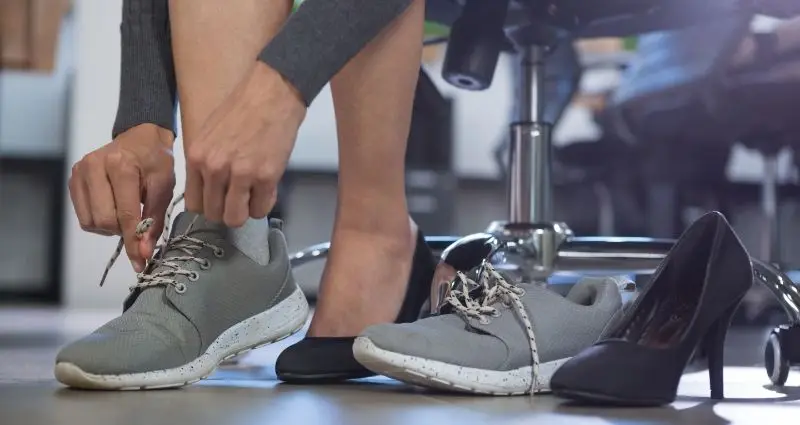
The right shoes make all the difference. They should be neither too tight nor too loose, with a moderate heel (2-3 cm is ideal for women) and good arch support. If you play sports, invest in quality, specific footwear.
Body weight matters. Every extra pound puts 4-5 pounds of extra pressure on the foot when we walk. I'm not saying you have to be skinny as a rail, but maintaining a reasonable weight helps.
Regular stretching of the calf and plantar fascia is one of the best preventative measures. It only takes a few minutes a day, perhaps in the morning before getting out of bed.
SmartHallux: Where we can help you

Here at SmartHallux, we specialize in foot and ankle surgery. Dr. Luigi Manzi, who has extensive experience in this field, provides each patient with a personalized treatment plan using the most modern techniques.
The SmartHallux team treats conditions such as hallux valgus , Morton's neuroma , and other deformities that cause foot pain. Providing comprehensive support throughout the treatment process, SmartHallux can be a winning choice for effective treatment tailored to your needs. Book your specialist consultation with the SmartHallux team now (opens in a new tab).
Questions you often ask me
Doctor, how long does this pain in the medial plantar nerve last?
It depends a lot on the cause and how early you intervene. In acute cases, with the right treatment, it can resolve in 4-6 weeks. Chronic cases require more patience.
How can I relieve pain at home?
Relative rest, ice for 15-20 minutes several times a day, comfortable shoes, and gentle stretching. But these are only palliatives—a precise diagnosis is needed for real relief.
Do I really have to go to the doctor?
If the pain persists for more than a few days or interferes with daily activities, it's best to get checked out. The sooner you intervene, the easier it will be to solve the problem.
Will I recover completely?
In the vast majority of cases, yes, but it requires patience and consistency in following the treatments. Occasionally, some patients experience some residual discomfort, but it's rarely limiting.