
Metatarsalgia of the foot: when the forefoot hurts
Metatarsalgia of the foot is pain under the forefoot that usually has a specific cause, from footwear to foot shape. How it is recognized and treated.
By Dr. Luigi ManziUpdated on
Have you ever felt a burning pain right under your toes? That nagging sensation that gets worse when you walk or stand for long periods? It could be metatarsalgia.
It's a problem I see often in my office. Metatarsalgia is one of those conditions that many initially underestimate—"It's just fatigue," patients tell me. But no. When metatarsal pain becomes persistent, there's always a specific cause.
Let's see together what happens when the metatarsals become inflamed and, above all, what can be done.
What exactly is metatarsalgia?

So, let's start with the basics. The metatarsals are the five long bones that connect your toes to the rest of your foot. Think of your foot as an architectural structure—the metatarsals are the "beams" that support all your weight when you walk.
Metatarsalgia occurs when this area becomes inflamed. Metatarsal pain can affect one or more metatarsals, but it usually affects the second, third, and fourth—the central ones, to be precise.
The other day, a woman came to me who described the sensation perfectly: "Doctor, it's like walking on rocks, even with shoes on." Well, this is metatarsalgia. An inflammation of the metatarsal bone that makes every step a minor torture.
Why does metatarsalgia occur? The main causes

The causes of metatarsalgia are varied and often cumulative. There is almost never a single trigger.
First, shoes. I always say it: high heels are the enemy of the metatarsals. When you wear shoes with heels higher than 3-4 centimeters, all the weight is concentrated on the forefoot. It's a simple matter of mathematics: the higher the heel, the more load on that area. Shoes that are too tight do the rest of the damage, compressing the metatarsals into a small space.
Then there are high-impact sports. Runners, dancers, tennis players—all are at risk of metatarsalgia from overload. Repeated microtraumas can lead to chronic metatarsal inflammation. Not that you have to stop playing sports, mind you! But you have to do it wisely.
Foot anatomy plays a fundamental role. Those with flat feet or bunions have an altered load distribution—some metatarsals work harder than others, and over time, they become inflamed. It's like having a car with misaligned wheels: some wear out faster than others.
Obesity and diabetes can worsen the situation. Extra weight increases pressure on the metatarsals, while diabetes can alter the structure of the foot's tissues. In fact, I've noticed that these patients often develop circulation problems, which complicate the situation.
Symptoms: How to recognize metatarsalgia of the foot
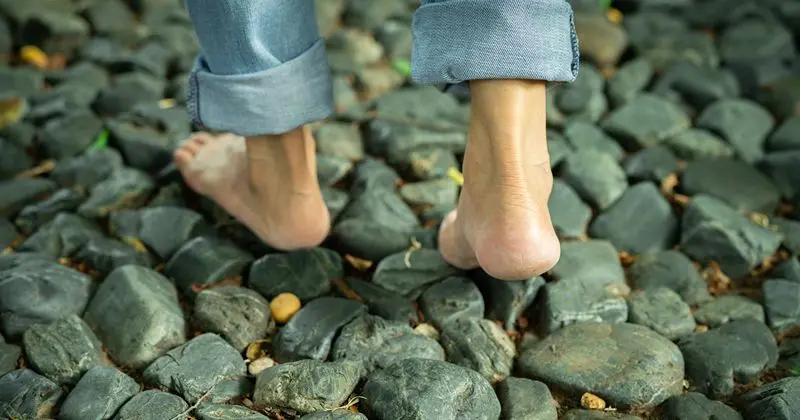
Metatarsal pain has quite specific characteristics. It usually begins gradually—it's not a sudden onset like a sprain.
The main symptom is a burning or throbbing pain in the forefoot. Patients tell me, "It feels like nails are stuck under my feet." The pain in the ball of the foot worsens with walking, especially on hard surfaces, and improves with rest.
Swelling of the metatarsals is also common. Inflammation of the metatarsals may be visible, especially after a day of walking. Some patients notice numbness or tingling in the toes—this occurs when the inflammation also affects the nerves that pass between the metatarsals.
Interestingly, metatarsal pain often worsens in the evening. During the day, as you walk, the inflammation progressively increases. This is why many patients tell me they feel better in the morning.
Forefoot pain can be so severe that it causes a limp. I've seen people completely change their walking style to avoid putting weight on that area. This isn't a good idea, as it creates other problems.
How do I diagnose?

When a patient comes to me with suspected metatarsalgia, I first listen. The story they tell me is crucial—when the pain started, in what situations it worsens, what kind of shoes they wear.
Then comes the physical exam. I press on the metatarsals one by one to determine which one is painful. I observe how the patient walks—it's often immediately obvious if they're avoiding weight bearing on the ball of their foot. I also check the shape of their foot: bunions, flat feet, hammertoes—anything can contribute to metatarsalgia.
A foot x-ray is almost always necessary. Not so much to see inflammation—that can't be seen on x-rays—but to rule out stress fractures, metatarsal arthritis, or other bone conditions. Sometimes an ultrasound is also necessary if soft tissue problems are suspected.
Metatarsalgia isn't always diagnosed immediately. It must be differentiated from Morton's neuroma, flexor tendonitis, or other causes of forefoot pain. This is why a specialist visit is important.
Treatments: How is metatarsalgia treated?

The good news is that in most cases, treatment for metatarsalgia is conservative. Surgery isn't always necessary.
The first step is always relative rest. This doesn't mean staying in bed, but avoiding activities that trigger the pain. If you run, stop for a few weeks. If you wear high heels, switch to flat, comfortable shoes.
Orthotics are often the solution. Not the generic ones from the supermarket—I'm talking about custom-made insoles that redistribute the load, taking pressure off the inflamed metatarsals. I have them made for my patients by specialized orthopedic technicians, after studying their foot position.
Anti-inflammatories can help in the acute phase. Ibuprofen or diclofenac can reduce metatarsal inflammation for a few days. But be careful: it's not a definitive cure; it's just to quell the inflammation while we address the underlying cause.
Physiotherapy is essential. Stretching exercises for the plantar fascia, strengthening the foot muscles, and mobilizing the metatarsal joints. A good physiotherapist knows what to do.
In more resistant cases, we can try cortisone injections. I don't do them routinely, but when there's significant inflammation that doesn't respond to other treatments, they can be very effective.
Surgery? Only in selected cases. If there is a significant structural deformity—for example, excessively long or poorly positioned metatarsals—then we may consider osteotomies to shorten or reposition the bone.
How long does it take to heal?
This is the question everyone asks me. It depends on many factors: how long the problem has lasted, the causes, and how willing the patient is to cooperate.
In simpler cases, with insoles and lifestyle changes, improvement is seen in 4-6 weeks. However, complete healing often takes 2-3 months. Patience is key—metatarsal inflammation doesn't disappear overnight.
How to prevent metatarsalgia
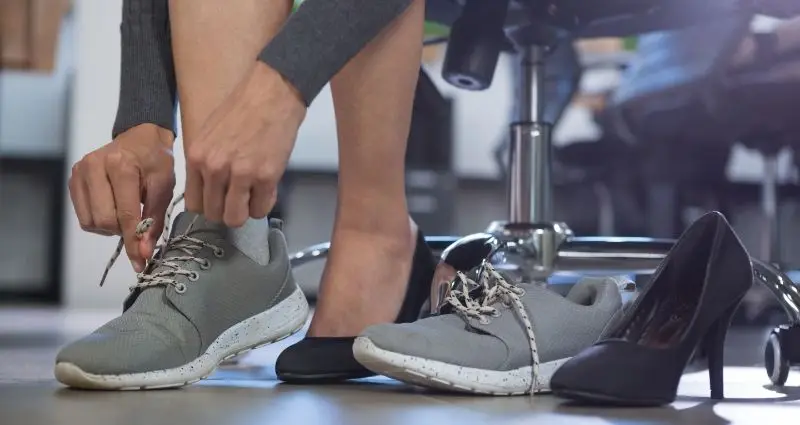
Prevention is always better than cure. The rules are simple but must be applied consistently.
Appropriate footwear is essential. Heels no higher than 3-4 cm, shoes of the right size (neither too tight nor too loose), with good arch support. For sports, shoes specifically designed for the activity being practiced.
If you're overweight, losing a few pounds helps tremendously. Every pound less means less pressure on the metatarsals. Regular stretching of the foot and ankle keeps the tissues supple and prevents stiffness that can alter your stance.
SmartHallux: Where we can help you

Here at SmartHallux, we specialize in foot and ankle surgery. Dr. Luigi Manzi, who has extensive experience in this field, provides each patient with a personalized treatment plan using the most modern techniques.
The SmartHallux team treats conditions such as hallux valgus , Morton's neuroma , and other deformities that cause foot pain. Providing comprehensive support throughout the treatment process, SmartHallux can be a winning choice for effective treatment tailored to your needs. Book your specialist consultation with the SmartHallux team now (opens in a new tab).
Questions you often ask me
Doctor, does the metatarsal pain go away on its own?
It depends. If it's due to temporary overload, it may improve with some rest. But if there's a structural cause or the problem has been going on for weeks, it's best not to wait. The sooner you intervene, the easier the solution.
Do natural remedies work for metatarsalgia?
Ice, rest, and comfortable shoes—these certainly help in the initial phase. But if the problem persists, more targeted interventions are needed. Don't waste time with fancy remedies when the pain won't go away.
Will I have to stop playing sports?
Absolutely not! You may want to temporarily stop the activity that triggers the pain, but the goal is always to get back to what you enjoy. With the right precautions, most athletes can resume their activity.
Can metatarsalgia come back?
If the underlying causes aren't corrected, yes. This is why it's important to follow prevention tips even after recovery. Insoles, for example, often need to be used long-term.