
Few people know what the metatarsophalangeal joint is , at least until it starts hurting. Yet, this small but crucial joint, located between the metatarsal bones and the phalanges of the toes, is the basis of every step we take. When something goes wrong, every movement becomes a problem.
What is the metatarsophalangeal joint?
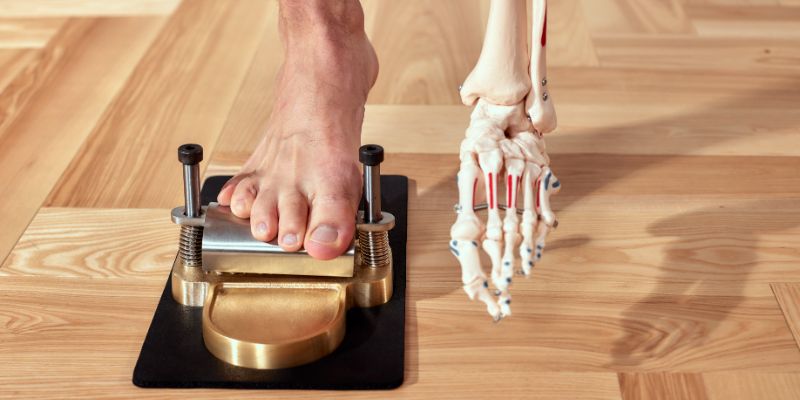
The metatarsophalangeal joint is the joint that connects the base of the toes to the ball of the foot. Each toe has its own joint, but the one most stressed—and often problematic—is the metatarsophalangeal joint of the first ray , the one in the big toe. This joint is responsible for absorbing the load during walking, managing the push-off and weight distribution.
Common pathologies

When we talk about metatarsophalangeal joint disease , we are referring to a series of disorders that affect this area, including:
- Metatarsalgia (general pain in the metatarsal area)
- Hallux valgus e hallux rigidus
- Metatarsophalangeal osteoarthritis
- Morton's neuroma
- Hammer toes
- Stress fractures or dislocations
In particular, osteoarthritis of the first metatarsophalangeal joint is a degenerative condition that can reduce mobility, cause chronic pain, and alter gait.
Symptoms Not to Ignore
The signs that something is wrong with the metatarsophalangeal joint are clear:
- Pain at the base of the toes (especially the big toe)
- Swelling or joint stiffness
- Redness and local heat sensation
- Difficulty walking or wearing shoes
- Tingling or numbness in case of nervous involvement
Diagnosis and treatment

A thorough clinical evaluation is the first step. It begins with a physical examination , often accompanied by X-rays , MRI , or electromyography to assess the extent of the damage or the possible presence of a neuroma.
Treatment depends on the cause:
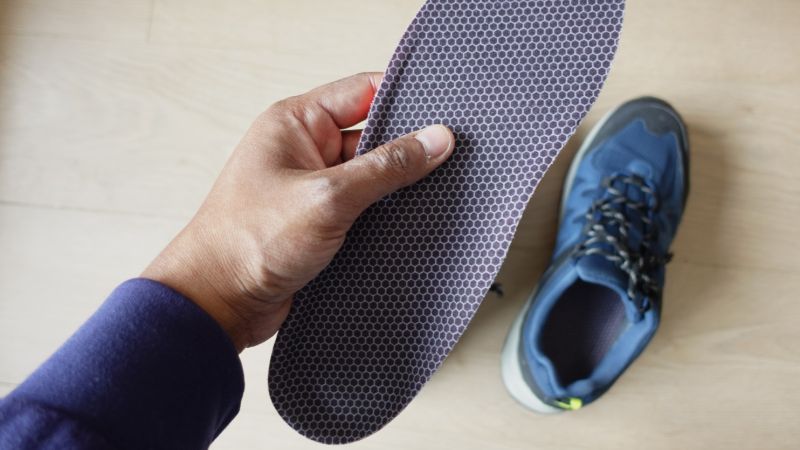
- Conservative: custom-made insoles, physiotherapy, anti-inflammatory drugs
- Surgical: in advanced cases, techniques such as the can be usedmetatarsophalangeal arthrodesis or nerve decompression
How to prevent metatarsophalangeal joint problems?

- Usa footwear with good support
- Avoid high heels and tight shoes
- Keep a adequate body weight
- Do it regularly foot and ankle exercises
- Consult a specialist if you experience recurring pain
SmartHallux: When to see a specialist?

The metatarsophalangeal joints play a crucial role in movement. When they become damaged, every step becomes a challenge. Recognizing the symptoms, taking timely action, and following a targeted treatment plan can make the difference between chronic pain and a return to full range of motion.
The SmartHallux team treats conditions such as hallux valgus , Morton's neuroma , and other deformities that cause foot pain. Providing comprehensive support throughout the treatment process, including post-operative recovery, SmartHallux can be a winning choice for effective treatment tailored to your needs. Book your specialist consultation with the SmartHallux team now.
FAQ
What is phalangeal metatarsalgia?
A pain localized at the base of the toes, often caused by overload or ill-fitting shoes.
How is it treated?
With rest, ice, physiotherapy or, in severe cases, surgery.
What causes metatarsophalangeal osteoarthritis?
Age, repeated trauma, postural alterations or genetic predisposition.