
Neuralgia in the Foot: When Nerves Act Up
Neuralgia in the foot is sharp, burning or shooting nerve pain, often from a trapped or irritated nerve. The causes, how it is diagnosed and treated.
By Dr. Luigi ManziUpdated on
Have you ever felt like an electric shock shooting from your foot? Or maybe a burning pain that never seems to go away?
Well, you're probably experiencing what we orthopedists call foot neuralgia. It's a more common problem than you think, and no, you're not exaggerating the pain—it really is as annoying as you describe.
Neuralgia, simply put, is when a nerve in the foot becomes "angry." It could be due to compression, inflammation, or other causes we'll explore later. The result? Pain that patients often describe to me as "stabbing," "burning," or "like I'm being hit by electricity."
What exactly is going on in your foot?
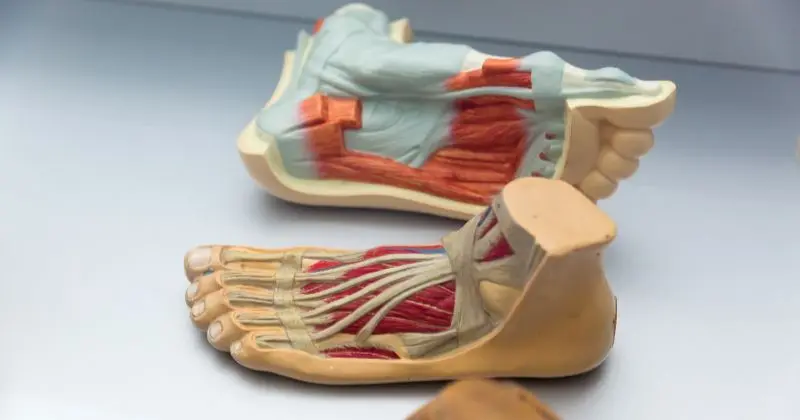
Think of the foot as a network of highways. Nerves are like electrical cables that carry information back and forth from the brain. When one of these "cables" has a problem—be it excessive pressure, inflammation, or damage—that's when trouble begins.
In the foot, we have several nerves that can cause problems. The medial plantar nerve, for example, passes under the arch and when inflamed, can cause pain along the entire sole of the foot. Then there's the infamous Morton's neuroma—oh, I see that one quite often!—which affects the nerves between the toes, especially between the third and fourth toes.
The sural nerve, on the other hand, runs along the outer edge of the foot. When this becomes inflamed, the pain can radiate to the ankle. In short, each nerve has its own area of influence, and when one of them "rebels," you notice it immediately.
Why does this happen? There are many causes.

After all, the foot is a complex structure that must support all our weight, so it's not unusual for something to go wrong sometimes.
The most common cause I see in my office? The wrong shoes. Yes, that's right. Shoes that are too tight, high heels worn for hours, safety shoes that are too stiff. The foot gets compressed, the nerves get pinched, and that's it. I've had patients come to me after walking all day in new shoes that are too tight—neuralgia can develop that quickly.
Then there are traumas. A bad fall, a kick while playing soccer, even just a misstep. The nerve can become "crushed" or inflamed as a result of the trauma.
Metabolic diseases such as diabetes are another important cause – diabetes can damage peripheral nerves, including those in the foot. The same is true for some inflammatory or autoimmune diseases. Some infections can also cause foot neuritis, although this is less common.
Sometimes, however, the cause remains a mystery. We call these neuralgias "idiopathic"—a fancy way of saying "we don't know why it happened, but it happened."
How does the problem manifest itself?

Pain is the main symptom, but it's not always the same. Some patients tell me about a constant burning sensation, others about electric shocks that come and go. Some feel tingling, numbness in the toes, or that annoying "foot sleeping" sensation that never goes away.
An interesting thing I often notice: many patients with Morton's neuroma tell me they feel like they have a "stone in their shoe" right under their toes. Others describe sudden cramps or muscle weakness that makes it difficult to walk normally.
The pain may be worse in the morning when you get out of bed, or after sitting for a long time. It depends on the type of neuralgia and which nerve is affected.
How do I know exactly what you have?

When you come to my office, the first thing I do is listen to you. Where exactly does the pain hurt? When did it start? What kind of pain do you feel? This information already tells me a lot.
Then I examine you. I watch how you walk, how you place your foot, and I press on specific points to see where there's more sensitivity. Sometimes this is enough to get a clear idea of the problem.
In some cases, however, more in-depth tests are needed. Electromyography and nerve conduction studies can tell us exactly which nerve is involved and how much it is damaged. These tests are not painful, just a little uncomfortable.
If I suspect structural problems, perhaps an MRI can help us see if there is something compressing the nerve from the outside.
What can we do to solve the problem?
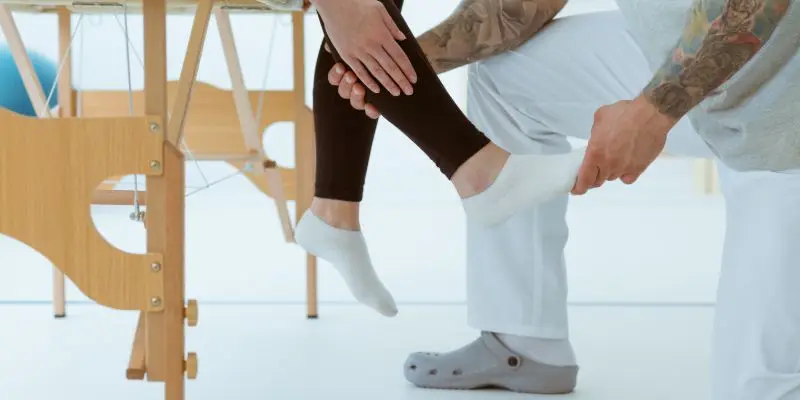
The good news? In most cases, it can be significantly improved, if not completely resolved.
We always start with conservative therapies. Regular painkillers are often insufficient for neuropathic pain—specific medications, such as anticonvulsants or some antidepressants, are needed. Don't be intimidated by the name: these medications have been shown to be very effective for nerve pain, regardless of whether you have epilepsy or depression.
Physiotherapy can be very helpful, especially for reducing muscle tension that often develops as a result of pain. And then there are orthotics—specific insoles that can relieve pressure on inflamed nerves.
When conservative therapy isn't enough, we have other options. Cortisone injections, for example, can provide significant relief. In more resistant cases, we can consider more specialized interventions such as nerve blocks or, in select situations, even surgery.
Recovery time: patience is needed
Now, one thing I always tell my patients: recovery from neuralgia takes time. Nerves heal slowly, much more slowly than a broken muscle or bone.
I usually see initial improvements after 2-3 weeks of therapy, but full recovery can take several months. It depends on the severity of the initial condition and how long it lasted before starting treatment.
Prevention: better to avoid than to cure
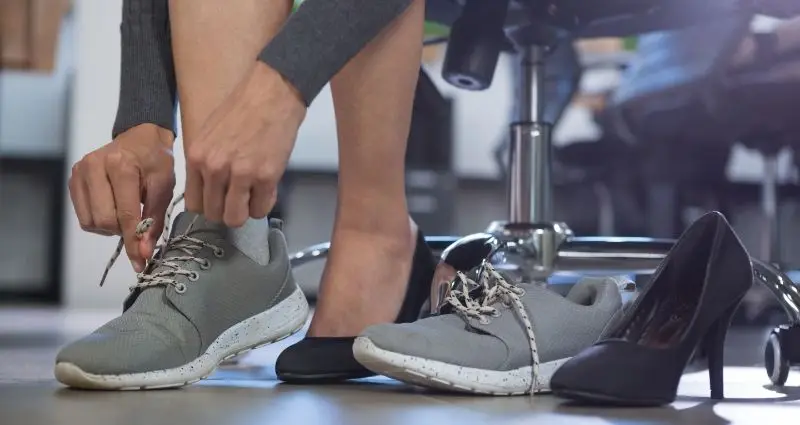
You know what I always say? The right shoes are the best medicine for your feet. Comfortable shoes, the right size, with adequate arch support. If you play sports, invest in shoes specifically designed for your activity.
Maintain a reasonable body weight—every extra pound puts about 3-4 pounds of additional pressure on your feet when you walk. And if you have diabetes or other conditions that can affect the nerves, keep them under control.
SmartHallux: Where we can help you

Here at SmartHallux, we specialize in foot and ankle surgery. Dr. Luigi Manzi, who has extensive experience in this field, provides each patient with a personalized treatment plan using the most modern and least invasive techniques possible.
Our approach always starts with a thorough and accurate assessment, to understand exactly what the problem is and the best strategy to solve it.
The SmartHallux team treats conditions such as hallux valgus , Morton's neuroma , and other deformities that cause foot pain. Providing comprehensive support throughout the treatment process, SmartHallux can be a winning choice for effective treatment tailored to your needs. Book your specialist consultation with the SmartHallux team now (opens in a new tab).
Questions you often ask me
Doctor, can foot neuralgia go away on its own?
It can happen, especially if it's caused by a minor trauma or by wearing the wrong shoes that you later change. But if the pain persists for more than a few weeks, it's best not to wait—the sooner you intervene, the better.
I've heard of Morton's neuroma, is it the same as neuralgia?
Morton's neuroma is a particular type of neuralgia that affects the nerves between the toes. It's one of the most common forms we see, especially in women who frequently wear high heels.
What are the most effective treatments for foot neuralgia?
It depends on the specific case, but in my experience, a combined approach works best: appropriate medications, physical therapy, orthotics when needed, and lifestyle changes. Surgery is reserved for cases that don't improve with conservative therapies.