
Neuroma: Symptoms, causes, and treatments to recognize and manage it
A neuroma is a benign thickening of a nerve, in the foot most often Morton's neuroma between the toes. The symptoms, the causes and the treatment options.
By Dr. Luigi ManziUpdated on
Tingling in your toes? A stabbing pain between your metatarsal bones? It could be a neuroma. Neuroma , particularly Morton's neuroma , is a benign but potentially painful condition, often overlooked in its early stages. It primarily affects the nerves of the foot and can present with vague and intermittent symptoms, making early diagnosis difficult.
This guide will help you recognize the signs, understand the most common causes, and evaluate treatment options, including those offered by specialist centers like SmartHallux.
What is a neuroma?

A neuroma is an abnormal growth, usually benign, involving the sheath covering a nerve. In the foot, the most common form is Morton's neuroma , which affects the nerve located between the third and fourth toes. It is often caused by mechanical compression, such as that caused by tight shoes or incorrect foot placement.
Neuroma Symptoms: What to Feel and When to Worry

Symptoms of neuroma vary depending on the location and stage, but may include:
- Localized tingling or numbness
- Stinging pain or burning sensation between the fingers
- Muscle cramps
- Weakness or loss of strength
- Hypersensitivity to cold
- Localized redness or swelling
- Difficulty walking or wearing closed shoes
In the case of Morton's neuroma , the pain may worsen with physical activity or tight-fitting shoes. Some patients report a clicking or popping sensation between the toes.
Causes of neurinoma

The main causes include:
- Repetitive compression of the nerve (from footwear or poor posture)
- Foot or ankle injuries
- Chronic inflammation
- Genetic predisposition
- Presence of cysts or benign growths
In rarer cases it can manifest as a bilateral neurinoma , with symptoms on both feet.
Diagnosis: how to recognize it

The doctor proceeds with:
- Objective examination and palpation of the area
- Tinel test (nerve stimulation to evoke pain)
- Ultrasound or MRI to identify the thickened nerve
- In some cases, electromyography or biopsy to confirm the diagnosis
Available treatments
Conservative therapies
- Rest and ice
- Anti-inflammatory or analgesic drugs
- Custom insoles or orthosis to relieve pressure on the nerve
- Targeted physiotherapy
- Cortisone injections to reduce inflammation
Shock waves
Used in resistant cases, they help reduce pain and stimulate tissue regeneration.
Surgery
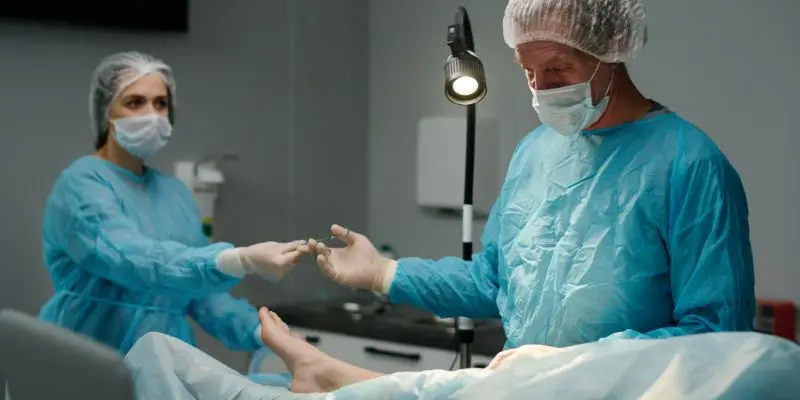
When pain persists despite conservative therapies, one can opt for an intervention of:
- Decompression of the nerve
- Removal of the neuroma
Dr. Luigi Manzi , head of the SmartHallux center, performs minimally invasive procedures for the definitive resolution of neurinomas, with rapid recovery times and excellent results.
How to prevent neuroma
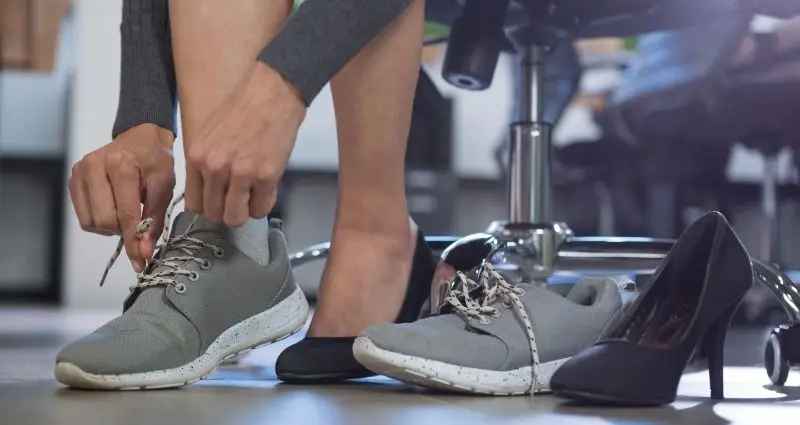
- Avoid tight or narrow-toed shoes
- Choose cushioned and well-supported footwear
- Perform exercises to strengthen your plantar muscles
- Maintain a healthy body weight
- Pay attention to your posture and foot placement
Complications if neglected

If left untreated, neuroma can progress to:
- Permanent nerve damage
- Chronic pain
- Foot deformity
- Loss of sensation or muscle strength
SmartHallux: When to see a specialist?

Have you noticed symptoms consistent with a neuroma or are you suffering from pain between your toes?
Discover his medical profile and the advanced techniques used for foot surgery
The SmartHallux team, led by Dr. Luigi Manzi, treats conditions such as hallux valgus , Morton's neuroma , and other deformities that cause foot pain. Providing comprehensive support throughout the treatment process, SmartHallux can be a winning choice for effective treatment tailored to your needs. Book (opens in a new tab) your specialist consultation with the SmartHallux team now.
Frequently asked questions
What are the typical symptoms of Morton's neuroma?
Tingling, sharp pain between the toes, a clicking sensation when walking. Often worsens with tight shoes or prolonged activity.
How is it diagnosed?
Through clinical examination and imaging tests. The Tinel test can be an effective first indicator.
How is it treated?
Conservative therapies are used initially, but in persistent cases surgery can be performed, with excellent results.