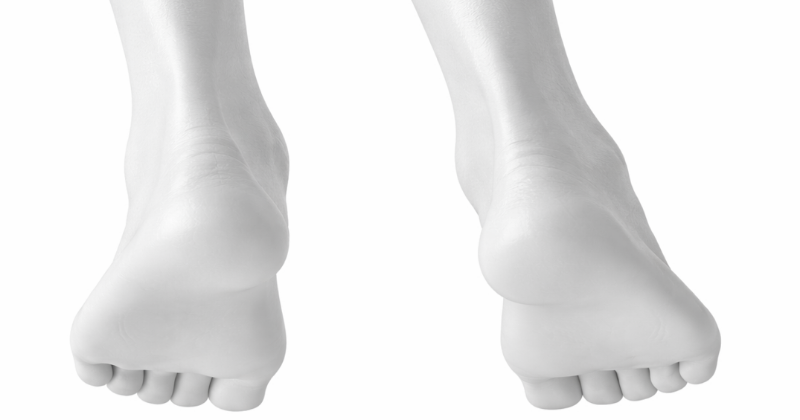

Have you ever felt a tingling sensation, a tingling sensation, or a loss of sensation in your feet? Sometimes these symptoms are ignored, mistaken for fatigue or wearing the wrong shoes. But if they persist, they could indicate foot neuropathy , a condition affecting the peripheral nerves that, if left untreated, can worsen over time.
Understanding what it is and knowing when to contact a specialist is the first step to dealing with it effectively.
What is foot neuropathy?

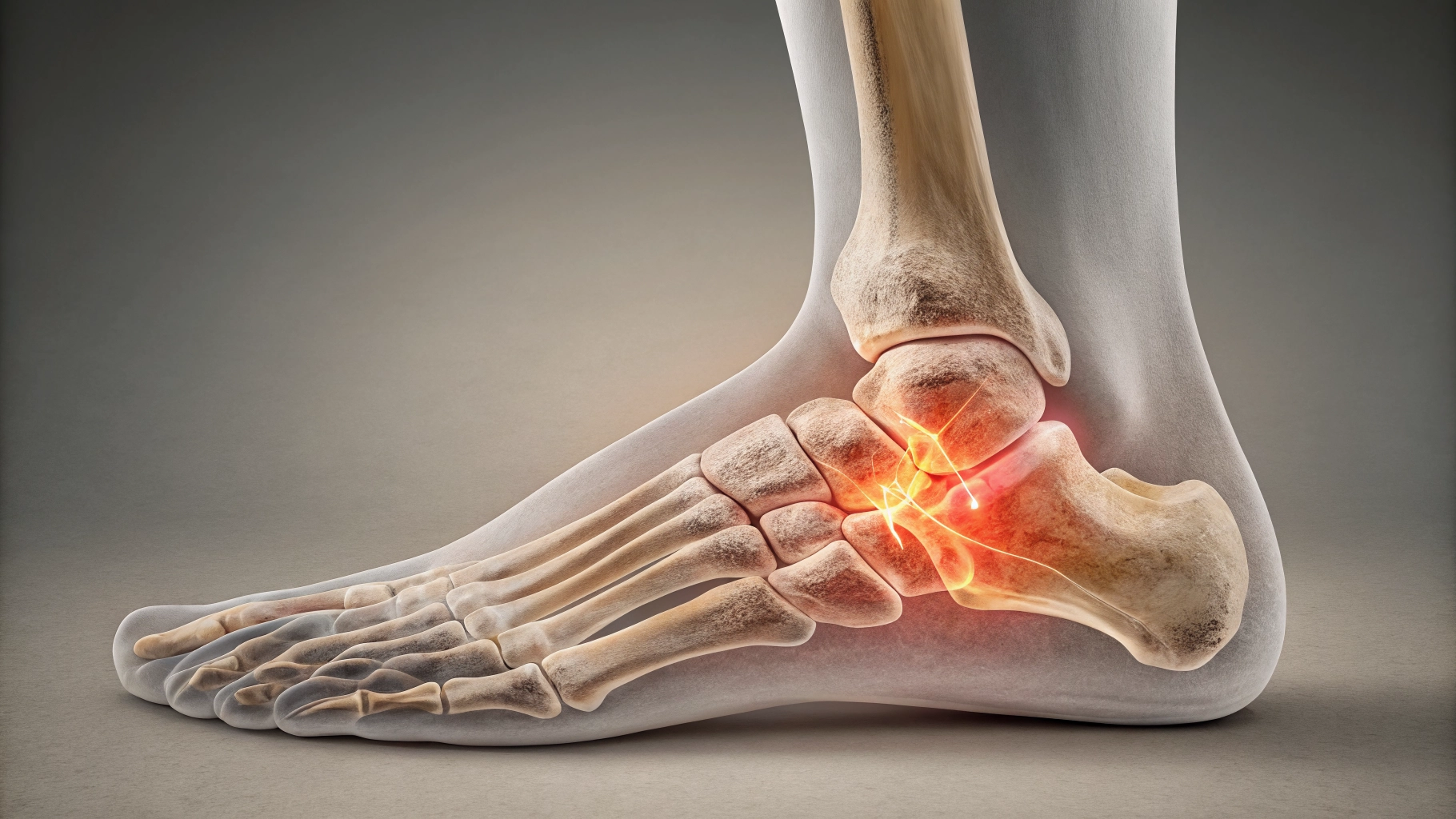
Foot neuropathy is damage or dysfunction of the peripheral nerves that innervate the feet and toes. These nerves can be damaged for a variety of reasons, resulting in uncomfortable or painful symptoms and, in more severe cases, impairing mobility.
What causes it?
The causes are multiple, and often overlap:
- Diabetes: This is the most common cause. High blood sugar damages nerves over time.
- Chronic alcoholism: Alcohol abuse can lead to nutritional deficiencies and nerve damage.
- Vitamin deficiencies, especially vitamin B12.
- Exposure to toxins, such as heavy metals or chemotherapy drugs.
- Nerve trauma or compression, as in tarsal tunnel syndrome.
The most common symptoms

Neuropathy in the feet can manifest itself differently from person to person, but some signs are recurring:
- persistent tingling (the classic “foot that falls asleep”),
- numbness, especially in the fingers,
- burning or electric shock sensation,
- pain at night or during rest,
- loss of sensation to heat, cold, or touch,
- in advanced cases, muscle weakness and difficulty walking.
How is it diagnosed?

The first step is a thorough medical examination , including assessment of sensation, reflexes, and muscle strength. Depending on the symptoms, the doctor may prescribe:
- electromyography (EMG), to measure nerve conduction,
- blood tests, to check for vitamin deficiencies or systemic pathologies,
- in some cases, magnetic resonance or genetic testing, if hereditary neuropathies are suspected.
What are the remedies for foot neuropathy?

Treatment depends on the cause. In cases related to diabetes, for example, blood sugar control is essential. If the problem is nutritional, the first treatment is supplementation.
In any case, you can act with a combination of approaches:
- drugs: To relieve neuropathic pain, tricyclic antidepressants, anticonvulsants (such as pregabalin), or specific analgesics are often used.
- Physical therapy: Physiotherapy to improve walking and strength.
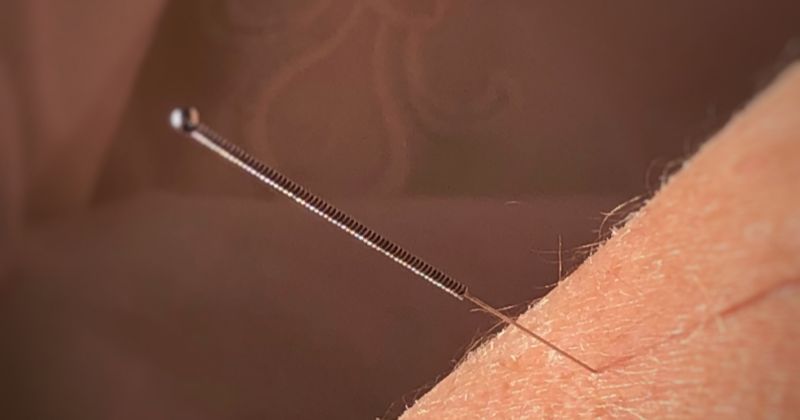
- Non-pharmacological therapies: such as transcutaneous neurostimulation (TENS), acupuncture, or magnetic therapy.
- In some cases, if the nerve is compressed, surgery to decompress it may be indicated.
New therapeutic perspectives
Research is exploring innovative approaches such as the use of stem cells , regenerative or neuroprotective treatments, and the use of natural supplements with anti-inflammatory and antioxidant effects. Low-level laser therapy is also showing promising results in some patients.
Prevenzione e stile di vita

To reduce the risk of neuropathy – or contain its effects – it is useful to adopt some good practices:
- keep blood sugar under control,
- avoid excessive alcohol,
- take care of your diet, including B vitamins,
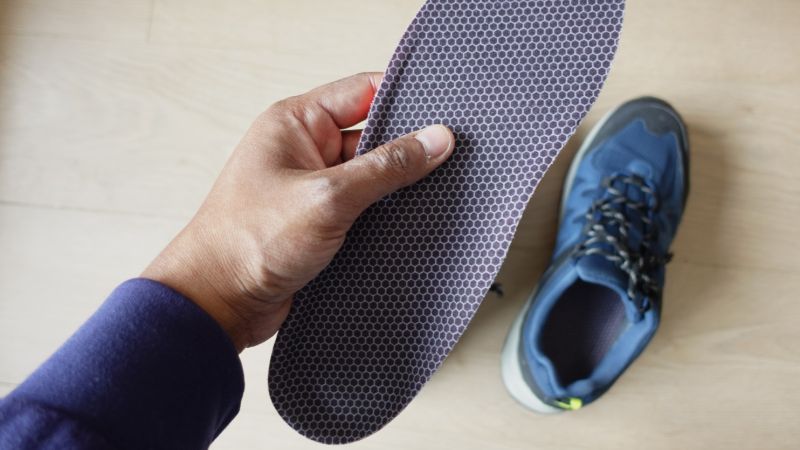
- wear comfortable and protective shoes,
- protect your feet from trauma and micro-lesions, especially if you already have reduced sensitivity.
SmartHallix: When to see a specialist?

If you notice one or more of the symptoms described, don't wait for the situation to worsen . Dr. Luigi Manzi , a specialist in foot and ankle pathologies, can help you obtain a clear diagnosis and propose a personalized treatment plan, including integrating foot nerve remedies and advanced conservative strategies.
The SmartHallux team, led by Dr. Luigi Manzi, treats conditions such as hallux valgus , Morton's neuroma , and other deformities that cause foot pain. Providing comprehensive support throughout the treatment process, SmartHallux can be a winning choice for effective treatment tailored to your needs. Book your specialist consultation with the SmartHallux team now.