
Toe pain: effective remedies and helpful tips
Toe pain can come from inflammation, deformities such as bunions or hammer toes, nerve problems or arthritis. The causes, remedies and when to see a doctor.
By Dr. Luigi ManziUpdated on
The foot has a complex structure and plays a fundamental role in maintaining balance and ensuring fluid movement of our body.
Toe pain and numbness in the forefoot, the area on the sole of the foot with the metatarsals and phalanges of the five toes, is a very common complaint. It can occur for a variety of reasons, ranging from simple inflammation to more complex conditions.
When something isn't working properly, pain can interfere with your daily activities. In this article, we'll explore the causes, symptoms, and effective remedies for toe pain, as well as providing some helpful tips for preventing it.
Causes of Toe Pain

There are many causes of toe pain and they can be mechanical, pathological, or traumatic. The most common causes include:
- Hallux valgus: a deformity that causes the big toe to deviate toward the other toes, creating pain, swelling, and difficulty walking, especially when wearing tight shoes.
- Morton's neuroma: a thickening of the nerve tissue between the toes, causing sharp pain, tingling, and difficulty walking.
- Stress fractures: microfractures caused by repetitive activities or trauma, which lead to localized pain and swelling.
- Calluses and ingrown toenails: phenomena of hyperkeratosis of the skin or abnormal nail growth that cause pain and inflammation.
- Arthritis: Several forms of arthritis, such as osteoarthritis and rheumatoid arthritis, can affect the joints of the fingers, causing pain, swelling, and stiffness.
Symptoms of toe pain

When you experience pain and numbness in your toes, there may be multiple underlying causes. Along with the sharp, dull pain, sometimes associated with swelling and redness of the toes, it's not uncommon to feel a tingling sensation. This electric-shock-like sensation in the feet is typical of Morton's neuroma, caused by the compressed nerve sending out painful impulses.
Those who suffer from toe pain often also experience particular stiffness and difficulty moving the toes, which is particularly common in joint conditions such as arthritis.
When toe pain is associated with inflammatory or neuropathic conditions, typical symptoms that accompany the pain include a sensation of heat or burning in the toes.
Diagnosing Toe Pain

Anyone suffering from toe pain needs a thorough evaluation of their symptoms by a doctor. The specialist may order diagnostic tests such as X-rays, ultrasounds, or MRIs to identify fractures, deformities, or other abnormalities.
If these tests aren't enough, neurological tests may also be necessary to rule out other problems. Conditions associated with toe pain include osteoarthritis, bunions, bursitis, gout, and Morton's neuroma, each of which requires a different approach.
Treatments for toe pain
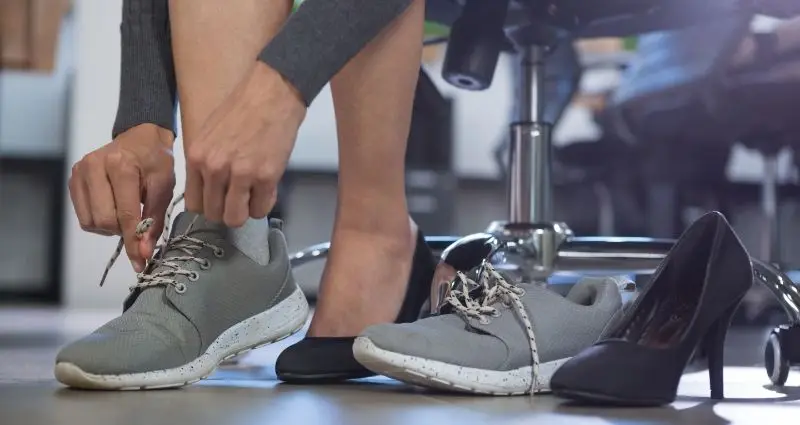
To try to relieve toe pain without resorting to medication, you can try a number of home remedies. Among these, one of the most effective for reducing swelling is ice. Rest can also be helpful in relieving pain, especially when it's caused by overloading or trauma to the feet. If, in addition to toe pain, your toes appear swollen, it may be helpful to elevate your legs to promote venous return and reduce swelling.
If home remedies for toe pain aren't effective, inflammation can be treated with medications or by applying creams or gels containing anti-inflammatories. Among these, nonsteroidal anti-inflammatory drugs (NSAIDs) like ibuprofen, or analgesics like acetaminophen, can help relieve pain and reduce inflammation, providing almost immediate relief.
If non-invasive treatments fail to deliver the desired results, or if toe pain is caused by malformations, serious fractures, or other structural deformities, or if more serious conditions are present, surgery may be considered.
To prevent toe pain, it is important to adopt some good habits:
- Wear comfortable shoes – Avoiding shoes that are too tight or have high heels, which can aggravate the pain and promote deformity, reduces the symptoms of Morton's neuroma. Tight shoes can cut off blood flow and cause a pins-and-needles sensation. Shoes don't cause neuroma, but they can contribute to its symptoms. This cyst, which develops on a nerve in the foot, becomes inflamed and causes pain in the toes.
- Visit a doctor regularly: especially if you have chronic conditions like arthritis or diabetes, to monitor your foot health.
- Perform strengthening and stretching exercises: to improve foot muscles and flexibility, preventing injuries and overloads.
SmartHallux: An innovative approach to foot care

SmartHallux offers an innovative solution, combining advanced technologies and accurate diagnosis, for personalized treatment of toe pain. Thanks to the expertise of a team of expert surgeons, led by Dr. Luigi Manzi , SmartHallux offers innovative treatments ranging from diagnosis to surgery, if necessary.
The team treats conditions such as hallux valgus, Morton's neuroma, and other deformities that cause toe pain. Providing comprehensive support throughout the treatment process, including post-operative recovery, SmartHallux can be a winning choice for effective treatment tailored to your needs. Book your video consultation with Dr. Luigi Manzi now.