I'll tell you right away: plantar fasciitis is one of those conditions I would never wish on anyone. The pain can be truly debilitating. You wake up in the morning and the first steps are a torture. Many patients describe it to me as if they had nails under their heels.
The good news? Plantar fasciitis physiotherapy really works. It's not just something we doctors say to reassure people—there's solid scientific evidence to prove it, and most importantly, I've seen with my own eyes hundreds of patients walk again without pain.
But let's proceed in order, because there is a lot to say on this topic.
What is this plantar fasciitis really?
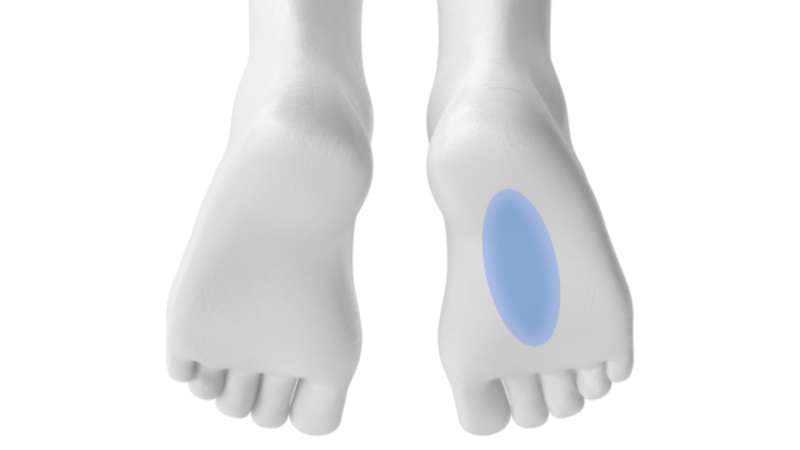
The plantar fascia is essentially a thick "cord" of fibrous tissue that runs under the sole of the foot, from the heel to the toes. Think of it as a very strong rubber band. When it becomes inflamed—and this is where plantar fasciitis arises—it's as if this rubber band is too tight and begins to tear where it attaches to the heel bone.
It's an incredibly common condition. In my practice, I see at least three or four cases a week, and I'm not exaggerating. It mostly affects people between 40 and 60, but I've also treated young runners and elderly women who walked too many miles to get groceries.
The interesting thing is that patients often come in convinced they have something very serious. "Doctor, I can't walk anymore!" they tell me. And I completely understand—the pain is real, intense, and limiting. But plantar fasciitis, as annoying as it is, is absolutely curable with the right approach.
Why plantar fasciitis occurs

The causes are varied, and often combined. It's never just one thing that triggers the problem.
Being overweight is a major factor—more weight means more stress on the plantar fascia with every step. But don't think it only affects overweight people. I've seen skinny marathon runners with terrible plantar fasciitis.
Ill-fitting shoes are another common cause. Those completely flat ballet flats that are so trendy? A disaster for the plantar fascia. But high heels can also cause problems, because they completely alter the biomechanics of the foot. The other day, a young woman who worked as a sales assistant came to see me. She'd been standing for eight hours in unsupportive shoes—plantar fasciitis guaranteed.
Then there are anatomical factors. If you have flat feet or a very pronounced arch, you're more predisposed. Tight calf muscles can contribute, as can advancing age—after 40, tissues lose elasticity, it's physiological.
Symptoms You Can't Ignore
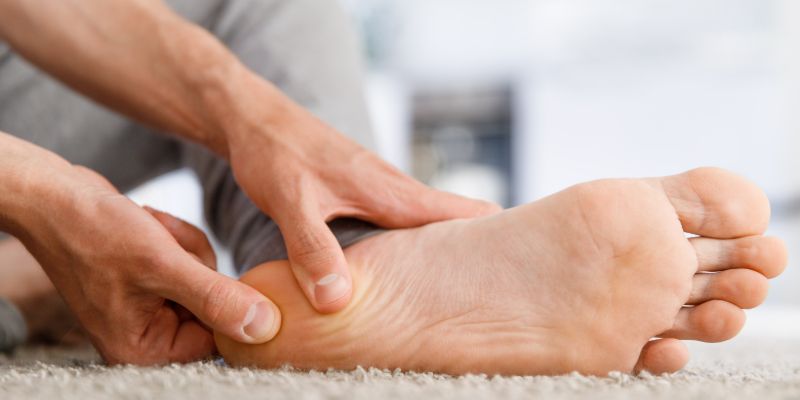
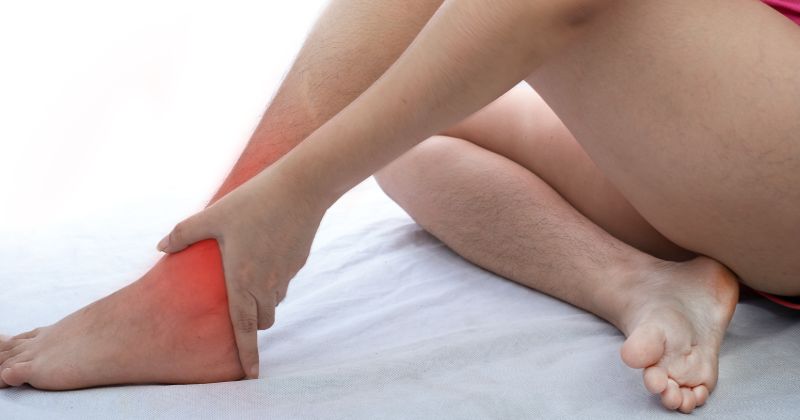
Heel pain is the main symptom, but it's not always the same for everyone. Most of my patients tell me the same story: "Doctor, in the morning when I put my foot out of bed, it's a shooting pain." This happens because during the night the fascia "shortens," and with the first stretching in the morning... that's when the pain occurs.
The pain often radiates along the arch of the foot. Some describe it as a cramp that never goes away. Others describe it as a sharp pain that starts from the heel and moves up toward the toes. Some even feel stiff, as if their foot is "locked" after prolonged sitting.
A typical pattern is that the pain improves with a little walking, but then worsens again after prolonged standing. This is the paradox of plantar fasciitis: a little movement is good, too much is bad.
How do I diagnose?
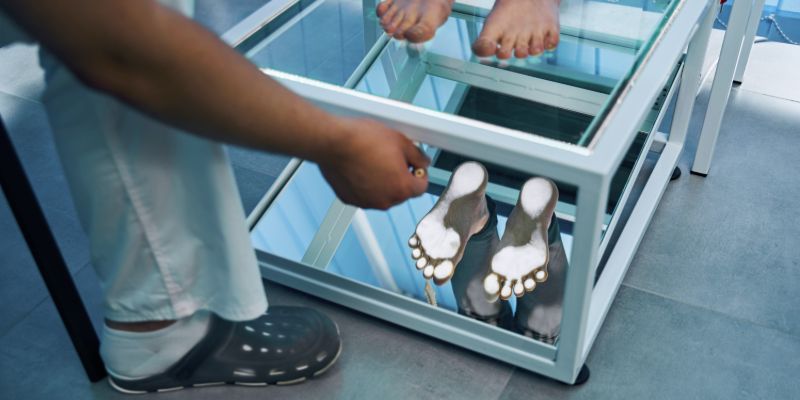
When a patient comes into my office with suspected plantar fasciitis, the diagnosis is almost always clinical. This means that a simple physical examination is all it takes to understand the problem.
I always ask first when it hurts the most—if they say "in the morning right after getting up," I'm already very suspicious. Then I feel the heel, in the area where the fascia attaches to the bone. If the patient winces... bingo. There's a very specific spot that's painful to pressure.
I also do some range of motion tests. I ask the patient to flex their toes upward—if this increases the heel pain, it's practically diagnostic. I sometimes order an ultrasound to check the thickness of the fascia and assess inflammation, but it's often unnecessary.
An X-ray? I only do one if I suspect other conditions, like stress fractures or to check for a heel spur. But be careful: having a heel spur doesn't automatically mean you have plantar fasciitis. It's a common mistake to think that the spur is causing the pain.
Physiotherapy for plantar fasciitis: the heart of treatment
Here's my point: Physiotherapy is truly the cornerstone of conservative treatment for plantar fasciitis. It's not a secondary option—it's often the first choice.
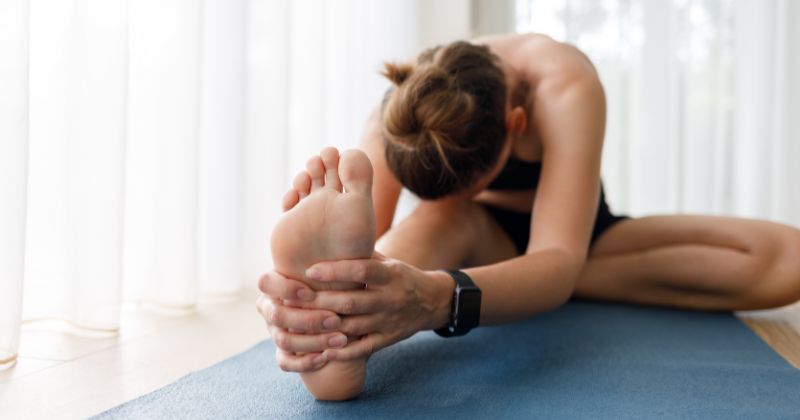
A physical therapist specializing in foot problems has several tools at their disposal. Stretching exercises are essential. The most important? Stretching the plantar fascia itself. This is done while seated, pulling the toes toward you. It seems trivial, but done correctly and consistently, it works wonders.
But stretching the fascia alone isn't enough. It's also important to work on the calf muscles, which are often overly tight in patients with plantar fasciitis. The physical therapist teaches specific exercises that can be done at home with just a towel or a resistance band.
Strengthening exercises are equally important. Weak foot muscles can't adequately support the arch, increasing stress on the fascia. Start with simple exercises, like picking up marbles with your toes, and then progress to more complex exercises.
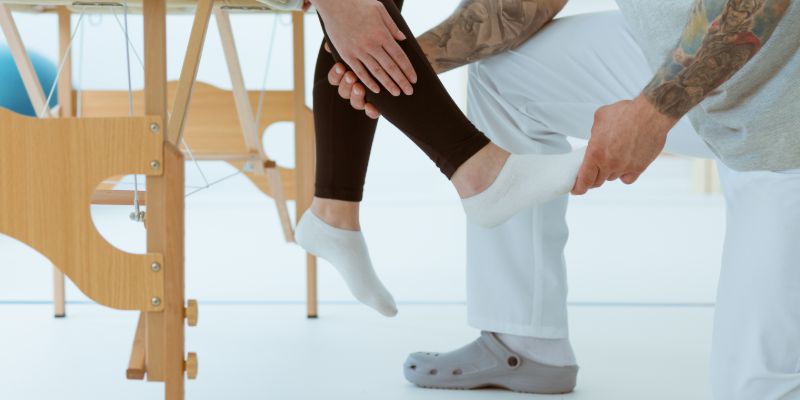
Manual therapy works very well. The physiotherapist can perform deep plantar fascia massages, foot joint mobilizations, and trigger point releases. I have patients who, after a manual therapy session, leave the physical therapy center feeling as if they were new.
Shockwave therapy is a more advanced technique. Not all centers have them, but when available, they can be very effective in more resistant cases. They essentially "bombard" the inflamed area with acoustic waves that stimulate tissue healing.
How long does it take to heal?

This is the question everyone asks me: "Doctor, when will I be better?" The honest answer? It depends. Most patients who religiously follow physical therapy see significant improvements within 6-8 weeks.
But be careful: improvement doesn't mean complete recovery. Morning pain is often the first to go away. Then, it gradually subsides throughout the day. The most stubborn cases can take up to 4-6 months, but these are the exception.
The key is consistency. I've seen patients who attended physical therapy twice a week but never did the exercises at home—poor results. Others who were diligent with the home program achieved complete recovery in a reasonable amount of time.
Other treatments I may prescribe

Physiotherapy is the cornerstone, but it's not the only tool. I often prescribe anti-inflammatories for the most painful acute phases. Ice after exercise can help control inflammation.
Custom orthotics are very useful. I'm not talking about supermarket insoles, but rather custom-made supports that correct foot placement problems. They cost more, but in the right cases, they make a difference.
In selected cases, cortisone injections can be used. They work, but I prefer to avoid them because long-term cortisone can weaken the plantar fascia. I reserve them for cases that don't respond to physical therapy.
SmartHallux: Where we can help you

Here at SmartHallux, we specialize in foot and ankle surgery. Dr. Luigi Manzi, who has extensive experience in this field, provides each patient with a personalized treatment plan using the most modern techniques.
We work closely with specialized physiotherapists and can direct you to the best professionals for your rehabilitation.
The SmartHallux team treats conditions such as hallux valgus , Morton's neuroma , and other deformities that cause foot pain. Providing comprehensive support throughout the treatment process, SmartHallux can be a winning choice for effective treatment tailored to your needs. Book your specialist consultation with the SmartHallux team now.
Questions you often ask me
Doctor, should I stop running completely?
Not necessarily. It depends on the intensity of the pain. If it's very severe, a period of rest from running is recommended. But swimming or cycling can often be substituted, maintaining fitness without stressing the plantar fascia.
Are sneakers always okay?
Not all! They should have good arch support and a slightly raised heel. Completely flat shoes, even sneakers, can make the situation worse.
Does physical therapy for plantar fasciitis hurt?
It may be uncomfortable at first, especially with deep manual therapy. But it's a "good" pain, and it brings benefits. Your physiotherapist will always adjust the intensity based on your tolerance.
Can I do the exercises alone at home?
Some do, but it's best to do the first few sessions with a professional. Improperly performed exercises can be useless or even make the situation worse.